
The Phenomenon of Pocong Terror Emerges During Indonesia's Economic Hardship
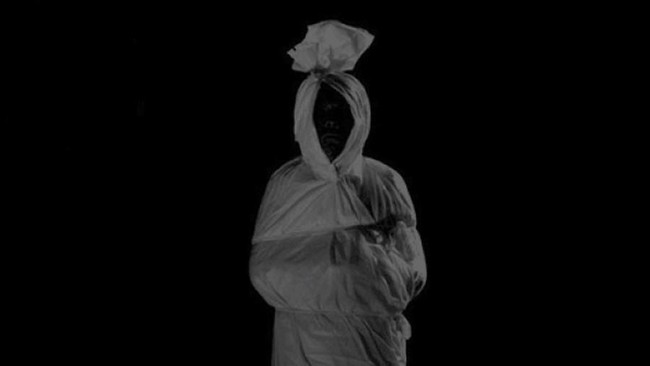
The phenomenon of the appearance of the ‘Pocong’ ghost in various regions of Indonesia is not a new historical occurrence, despite recent viral trends on social media. Since the New Order era, reports of Pocong or other supernatural entities have surfaced, notably during periods of economic hardship.
In a 2023 study titled ‘Mysticism of the Pocong as a Representation of Wandering Souls’, the Pocong is described as a spirit wrapped in a shroud, believed to be unable to find peace after death, remaining tethered to the physical world. Historically, these ‘terrors’ have often been linked to criminal motives. For instance, in November 1984, residents in Purwokerto were unsettled by Pocong sightings, which police later revealed to be a new modus operandi for thefts. Similarly, in October 1988, reports indicated that these scares were used to frighten residents indoors at night, allowing criminals to break into warehouses and workshops, resulting in the loss of millions of rupiah.
During this same period, the Indonesian economy was under significant pressure. Historians Jan Luiten van Zanden and Daan Marks, in their book ‘Indonesia’s Economy 1800-2010’ (2012), note that the late 1980s was a difficult period for the national economy. The 1986/1987 state budget experienced a decline of approximately 7% due to falling oil and gas exports, leading to sluggish growth, sharp declines in trade and investment, and significant fiscal challenges.
Years later, in 1997, Pocong terror resurfaced in Ciamis, West Java. Reports from July 1997 indicated widespread fear, with claims that up to 27 Pocongs were roaming the streets, specifically targeting young children. One witness claimed to see the entities emerging from a red Kijang vehicle. The panic spread to Banjar and Pangandaran, causing residents to lock their homes tightly at night.
By 1998, a similar atmosphere of dread gripped East Java, involving not only Pocongs but also the ‘mysterious ninja’ phenomenon following killings related to sorcery allegations in Banyuwangi. During the 1997-1998 period, Indonesia faced a severe economic crisis. As recorded by Jan Luiten van Zanden, the crisis saw the Rupiah plummet to between Rp10,000 and Rp12,000 per US Dollar, triggering food and energy shortages and widespread public panic. These phenomena demonstrate that supernatural scares and mysterious terrors often emerge amidst periods of intense social and economic tension in Indonesia.