
The 'Pesta Babi' Film Reflects Social Realities and the Struggle for Indigenous Land in Papua
High volatility is still likely to continue until the end of May.
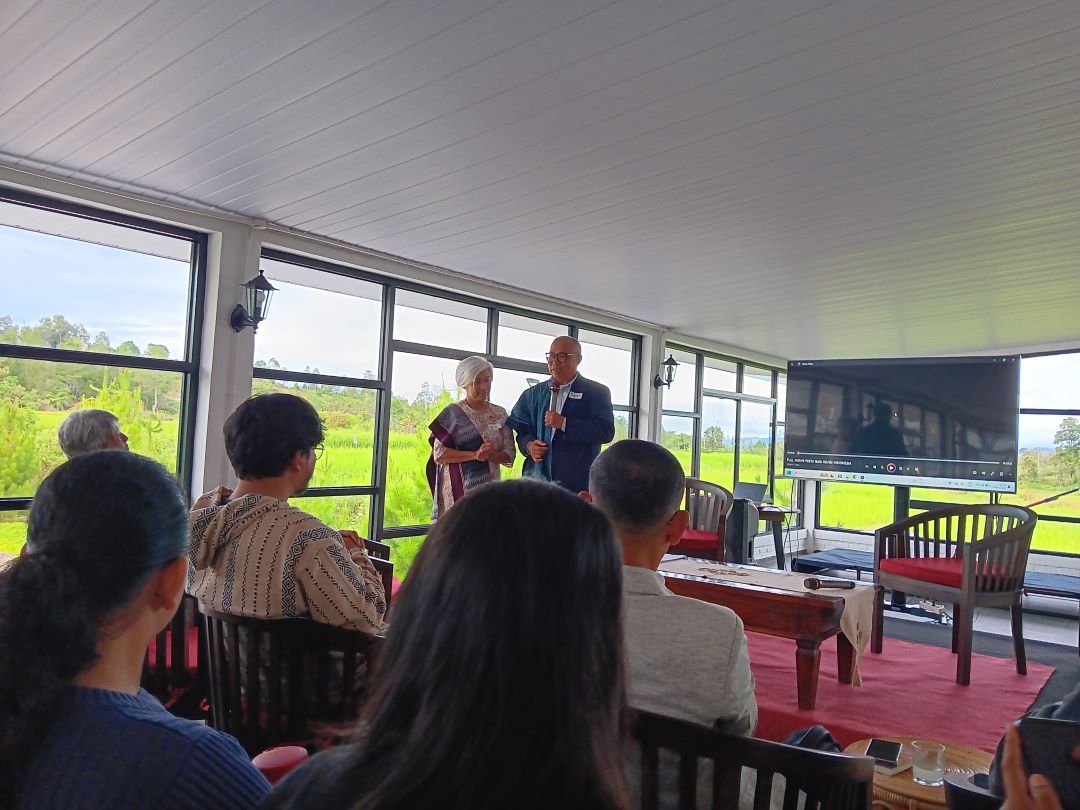
The screening of the film ‘Pesta Babi’, which has recently gained public attention and sparked various responses in several regions, took place at Coffee Shop Piltik, Siborong-borong District, North Tapanuli Regency, North Sumatra, on Saturday (16/5).
In North Sumatra, issues related to pigs have recently become a topic of public interest and often trigger debates. From the discourse of turning Samosir Regency into a halal tourist destination, the polemic surrounding alleged restrictions on pork sales in Medan City, to the rejection of the screening of the film ‘Pesta Babi’ in several regions of Indonesia.
The high level of controversy and rejection towards the film has actually sparked curiosity among some members of the public to witness firsthand the content and message conveyed in the film.
The joint viewing event began around 17:00 WIB and continued until it finished. After the screening, participants continued with a casual discussion about the social messages contained in the film.
In several regions, the screening of this film was initially met with rejection from several community groups. However, in Piltik, the event took place safely and received enthusiasm from the participants who attended.
Although titled ‘Pesta Babi’ (Pig Feast), this film does not discuss pork dishes, cooking methods, or culinary flavors. Instead, the film presents a depiction of the lives of people in Papua, especially the struggle to preserve customs, cultural identity, and ancestral lands which are an important part of the lives of local communities.
The message conveyed in the film is considered quite touching, especially regarding concern for the rights of indigenous peoples in the face of various social challenges they face.
DISCUSSION ATMOSPHERE
After the screening, the discussion atmosphere was relaxed but meaningful. Several participants shared their views on cultural values, the importance of preserving ancestral territories, and reflections on the social conditions of indigenous communities in various regions of Indonesia.
One of the participants in the joint viewing, Pembele Butar Butar (51), said he gained many moral lessons after watching the film. “The ‘Pesta Babi’ film has many meanings that we must reflect on,” he said briefly, Saturday (16/5).
In agreement with this, a student in Tarutung who asked not to be named said that the film contained quite profound moral messages, especially regarding cultural identity and the struggle of indigenous communities.
Meanwhile, the owner of Coffee Shop Piltik, Edward Tigor Siahaan, together with his wife Vera P. Hutauruk, welcomed the visitors who attended. They hope that the atmosphere remains conducive during and after the film screening.
Sabastian Hutabarat, a resident of Toba Regency, also took the time to attend the film screening until it finished. (E-2)
Source: jawawa.id (https://jawawa.id/newsitem/the-pesta-babi-film-reflects-social-realities-and-the-struggle-for-indigenous-land-in-papua-1780662511)
Originally published by Media Indonesia (https://mediaindonesia.com/nusantara/891078/pesta-babi--cerminkan-realitas-sosial-dan-perjuangan-tanah-adat-papua), translated from Indonesian