
The Perils of Extreme Heat in Africa: Even Camels are Suffering
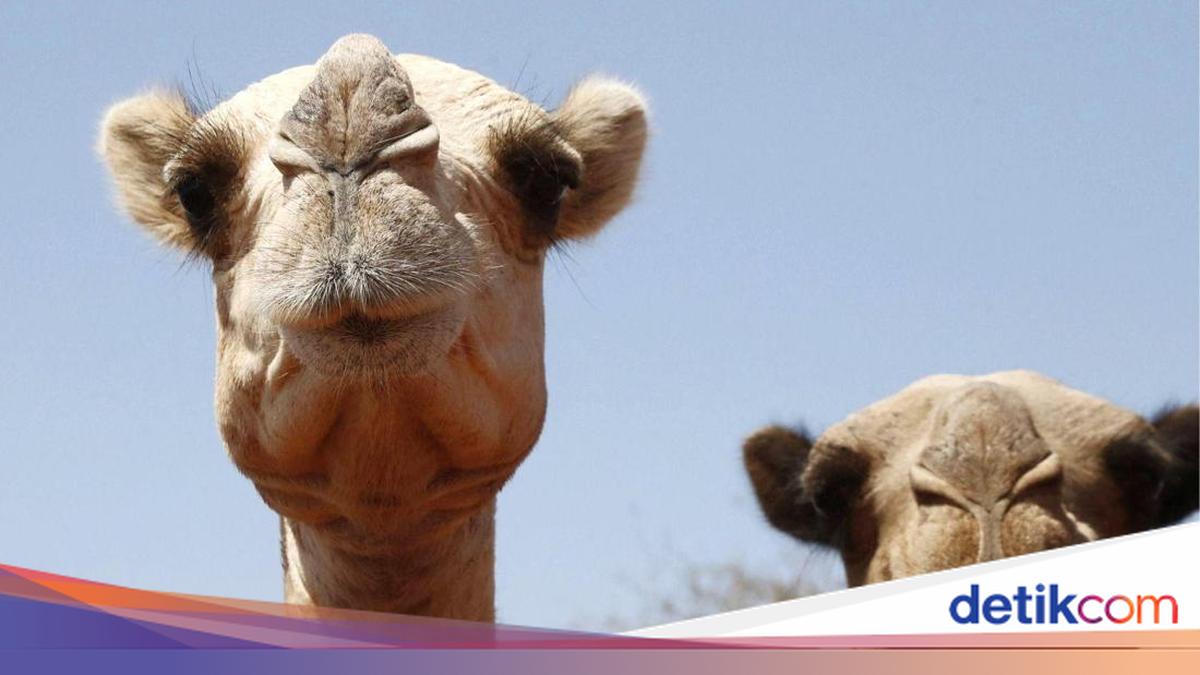
Camels are renowned as desert animals, yet extreme heat in Africa in recent years has left even these hardy creatures overwhelmed by rising temperatures. The Afar region in northeastern Ethiopia is one of the hottest and driest places on Earth, where nomads frequently lead camel caravans to transport salt across the desert. However, recent conditions have become increasingly dire.
Ali Umer, a camel herder from Semera in Afar, told the BBC that he lost eight calves in the last month alone due to extreme heat. He noted that even the winds that once brought cool air now carry intense heat, causing camels to suffer from blistering feet, watery eyes, and skin burns from the hot sand.
Scientists and animal welfare workers confirm that heat stress, exhaustion, dehydration, and increased disease are direct consequences of these extreme temperatures. Higher temperatures also indirectly harm camels by reducing available water, vegetation, and shade. The North and Horn of Africa host approximately 80% of the world’s largest dromedary (one-humped) camel population. For years, farmers and cattle herders in these regions have turned to camels due to their resistance to heat and drought.
However, a study based on the perceptions of camel herders in southern Ethiopia, published in 2025, shows that high temperatures and climate variability have compromised camel health. Respondents reported that climate change has negatively affected the health, productivity, and reproductive performance of camels. In Somalia, the situation is even more critical; research published in June indicates that drought-related camel deaths are a widespread crisis, affecting nearly 46% of camel-owning families. In the northern Sool region, mortality rates have reached a staggering 73%.
Atmospheric scientists found that high temperatures in the region were the cause of the 2021-2022 droughts, as extreme heat caused water in soil, lakes, and rivers to evaporate. Veterinarians are also reporting a significant rise in hyperthermia cases and deaths. Hassan Nuya Guyo, a veterinarian in Marsabit, Kenya, noted a more than 15% increase in camel deaths in his region over the last two years.
Similar trends are observed in North Africa. A study in Algeria highlighted a significant increase in camel deaths during summer heatwaves, emphasising the need for targeted interventions such as strategic water provision and additional fodder. The World Meteorological Organization (WMO) stated that extreme heat events have become common in several North African countries, with heatwaves showing an increasing trend since 1981. In 2024, several countries in the region and the Middle East reported temperatures exceeding 50 degrees Celsius.
Experts note that while camels can comfortably withstand temperatures up to approximately 40 degrees Celsius by allowing their body temperature to fluctuate, temperatures exceeding this range cause severe heat stress. Dr Mohammed Bengoumi, a scientist from the Food and Agriculture Organization (FAO) specialising in camel health, explained that in many parts of the Sahara, summer temperatures now frequently exceed 50 degrees Celsius, increasing the risk of severe heat stress, especially when coupled with reduced vegetation and water scarcity.