
The path to the middle class starts with better jobs
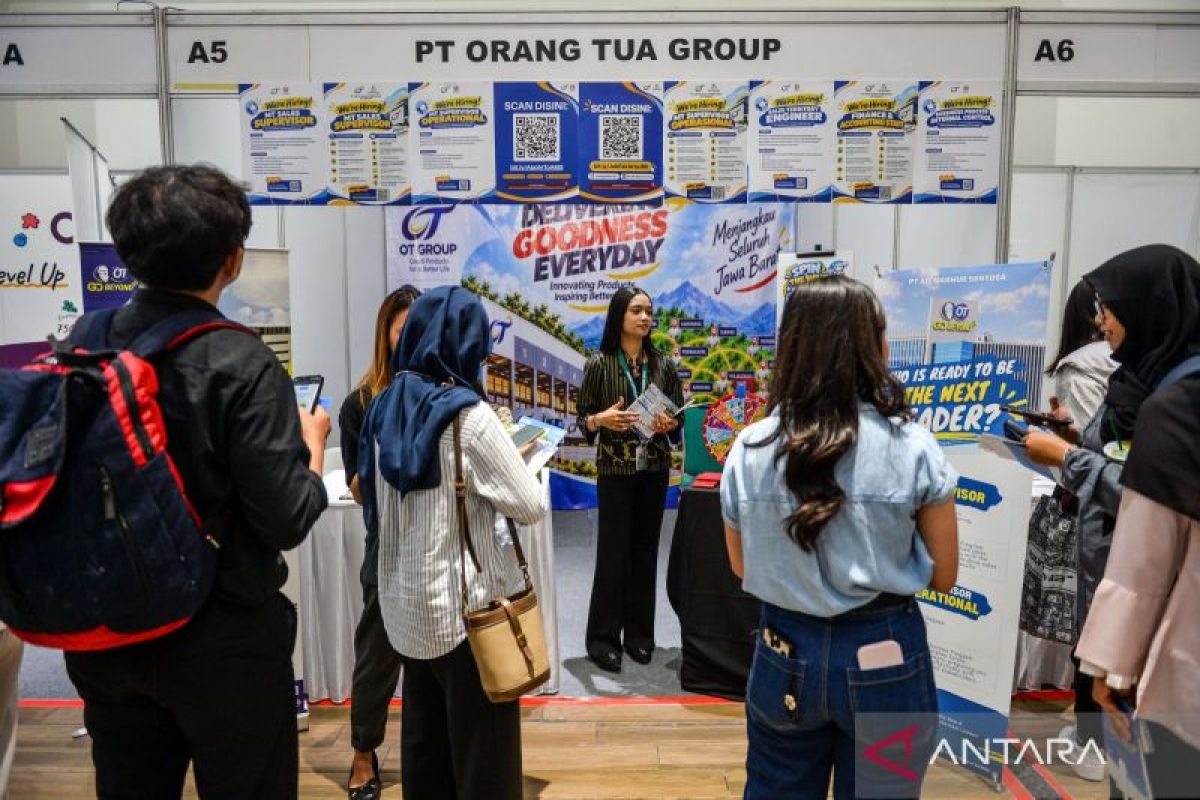
Jakarta (ANTARA) – Indonesia created 1.9 million new jobs between August 2024 and August 2025. Over the same period, the open unemployment rate fell to 4.9 per cent. These figures show that the economy is still able to provide employment opportunities for the public.
However, the World Bank’s June 2026 Indonesia Economic Prospects report also highlights challenges that require attention. Almost half of the new jobs were in relatively low-productivity sectors, particularly agriculture, accommodation and food services.
In August 2025, part-time workers working fewer than 35 hours a week accounted for 32.7 per cent of the workforce, while real wages for medium- and highly skilled workers had fallen by around one to two per cent annually since 2018.
Together, these figures point to the next challenge for Indonesia’s development. Job creation is an important achievement, but the next task is to ensure that jobs can raise incomes and open a path to a more prosperous life.
Indonesia’s economic growth has shown positive momentum. In the first quarter of 2026, the economy grew by 5.6 per cent year on year. The World Bank forecasts growth of 5.0 per cent in 2026, rising to 5.2 per cent in 2027 and 2028. These projections indicate that the foundations for growth remain in place, although global uncertainty continues to loom.
This momentum should be used to improve the quality of growth. Development success depends not only on how quickly the economy expands, but also on how widely people can access opportunities to improve their wellbeing.
Jobs as a route to economic mobility
For most households, work is the main route to a better life. Earnings pay for everyday needs, children’s education, healthcare and savings for the future.
Productive work that provides adequate income also helps households build resilience when faced with rising prices or economic shocks.
Having a job and having a job that can improve one’s wellbeing are related, but they are not always the same. Someone may be counted as employed while still facing limited working hours or inadequate income.
Small businesses can absorb labour, but may struggle to increase productivity because of limited access to technology, finance and markets. Similarly, secondary- and higher-education graduates need job opportunities that match their skills for their investment in education to deliver economic benefits.
These challenges help explain why economic growth does not necessarily expand the middle-income population automatically. The World Bank notes that the share of workers earning middle-class incomes fell from 14.5 per cent in 2018 to around 7 per cent in 2025.
This finding is an important reminder that expanding economic opportunities must go hand in hand with improving workers’ productivity and incomes.
The figure does not mean that everyone’s wellbeing has declined. However, the trend merits reflection to ensure that Indonesia’s economic transformation becomes more effective at creating jobs with better income prospects.
The middle class plays an important role in development. As well as supporting domestic consumption, it helps drive business growth, encourages investment in education and healthcare, and strengthens household economic resilience.
Expanding the middle class is therefore not simply a matter of increasing the number of people in a particular income bracket. More broadly, it means widening opportunities for people to improve their capabilities, productivity and living standards sustainably.
Expanding opportunities through productivity