
The Overflowing Blessings of Qurbani
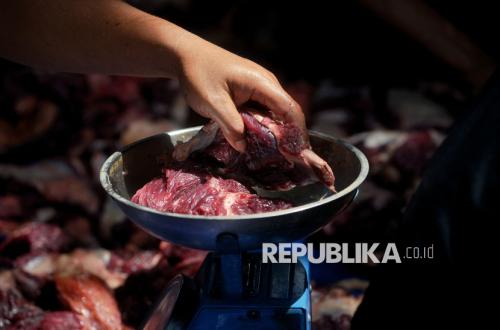
Sacrificial worship is not only an expression of faith that brings inner peace but also delivers extraordinary blessings in real life. Consider how sacrificial animals reach remote areas—from coastal communities, inland regions, isolated villages, to the country’s borders. For them, receiving sacrificial meat is a ‘miracle’. The author recalls an incident from last Eid al-Adha. A preacher at the Suliliran Riverbank in Paser Regency, East Kalimantan, spoke with a voice choked with emotion: ‘For us, eating meat is a luxury.’ This admission highlights how extraordinary it is for them to slaughter sacrificial animals on Eid al-Adha. Following his words, a torrent of prayers and thanks flowed from his lips. This serves as a crucial reminder: the sacrificial meat reaching their villages brings unimaginable joy. In other words, Muslims who ensure their sacrificial animals reach remote areas not only perform their worship correctly but also nurture, strengthen, and solidify the bonds of brotherhood among fellow Muslims—those they may never meet and live far away. Conversely, the Prophet Muhammad (PBUH) strongly condemned those with means who refuse to perform Qurbani. ‘Whoever has the means but does not offer Qurbani should stay away from our prayer ground,’ (Narrated by Imam Ahmad and Ibn Majah). This underscores the Prophet’s desire for Muslims to genuinely prepare for Qurbani. The blessing of this act is not merely about slaughtering livestock but ensuring that fellow Muslims—distant, destitute, poor, orphaned, unknown to us, and who may not have eaten meat all year—can smile with joy and experience Allah’s greatness on Eid al-Adha. In Surah al-Ma’un of the Quran, Allah states that a person’s faith is false if they neglect orphans, let alone harm them, oppress them, or withhold their rights. Similarly, faith is false for those who refuse to share or encourage others to feed the poor and care for orphans.