
The Origins of Sokka, the Legendary Roof Tile from Kebumen
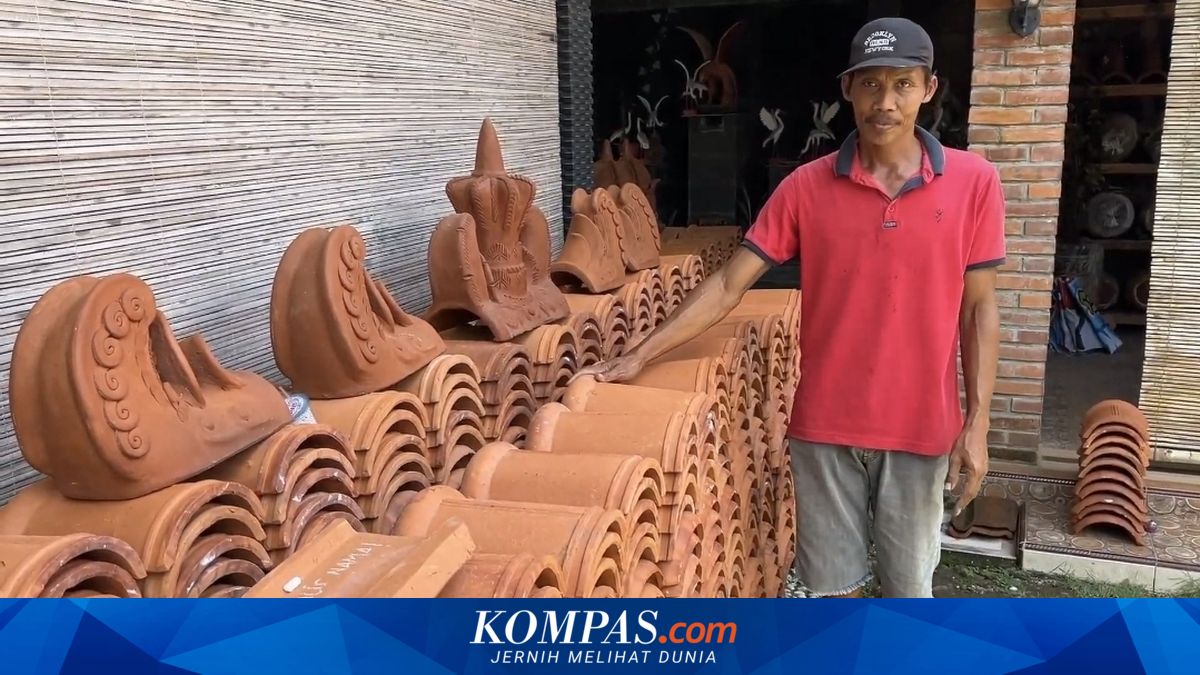
The name Sokka roof tile has long been recognised as one of Indonesia’s high-quality roofing products. Although closely associated with Kebumen, Central Java, few know how this legendary tile originated and grew to become an icon of the national ceramics industry. According to official records from the Kebumen Regency, the history of Sokka tiles is inseparable from the long-standing tradition of the Kebumen people in processing clay for various household needs. Long before the 20 ext<0xA0>century, residents of Kebumen were already crafting various clay implements, such as stoves, jars, water basins, mortars, vases, and small pots. This expertise was passed down through generations and is believed to have developed from the interaction between the local community and Chinese culture in the past.
The tile industry in Kebumen began to expand around the 1920s. During that period, the Dutch colonial government conducted research to map regions possessing high-quality clay suitable for building roof materials. This research was carried out alongside the establishment of the Ceramics Centre (Balai Keramik) in Bandung, which aimed to develop the ceramics and building materials industry in the Dutch East Indies. As a result of this research, Kebumen was identified as an area with significant potential as a tile production centre. Haji Ahmad is noted as the first Javanese individual to produce tile crafts in the region. A significant development occurred when Haji Abu Ngamar, one of Haji Ahmad’s sons, established a tile factory in the Sokka area, located approximately 200 metres from Sokka Station in the Pejagoan District. With the support of a Dutch technical instructor, Haji Abu Ngamar imported production machinery from Germany to increase the capacity and quality of tile manufacturing. This step allowed the Kebumen tile industry to develop more modernly than before.