
The Origins and Suffering of Javanese Contract Labourers in North Sumatra
Labourers were whipped, dragged by horses and hanged, and bamboo was driven under their toenails. Female labourers were stripped and pepper was rubbed on their genitals.
Jakarta (ANTARA) – Names such as Ponirin, Legimin, Poniem and Poniman are still relatively easy to find on plantations in North Sumatra, compared with Java, their place of origin. These names form part of the long history of the first Javanese arrivals in North Sumatra, beginning in the 1860s.
According to the 2020 population census by Statistics Indonesia (BPS), there were 4,937,533 ethnic Javanese people in North Sumatra, or 33 per cent of the province’s population of around 14.8 million. They were the second-largest ethnic group after the Batak, which comprises several subgroups.
What is the history of the Javanese in North Sumatra – a region once known as the State of East Sumatra, on the eastern coast of the Strait of Malacca, with Medan as its capital – before it was incorporated into North Sumatra on 15 August 1950?
The story began with the arrival of Jacob Nienhuys, a Dutch businessman who opened a tobacco plantation in Deli in 1869. Nienhuys had initially sailed for 82 days from Amsterdam to Java, arriving in 1859.
“I saved every penny. When I had enough money, I travelled to the Dutch East Indies,” Nienhuys said in the Dutch-language newspaper Het Nieuws van den Dag, in its edition of 17 August 1926, published in Batavia.
After failing to find work in Batavia, Nienhuys continued to Belawan, in the Deli region. He arrived in 1863 and, after obtaining a concession from the Deli Sultanate through his close ties to Said Abdullah, a relative of the sultan, founded Deli Maatschappij in 1869. The 20-year concession enabled the opening of tobacco plantations.
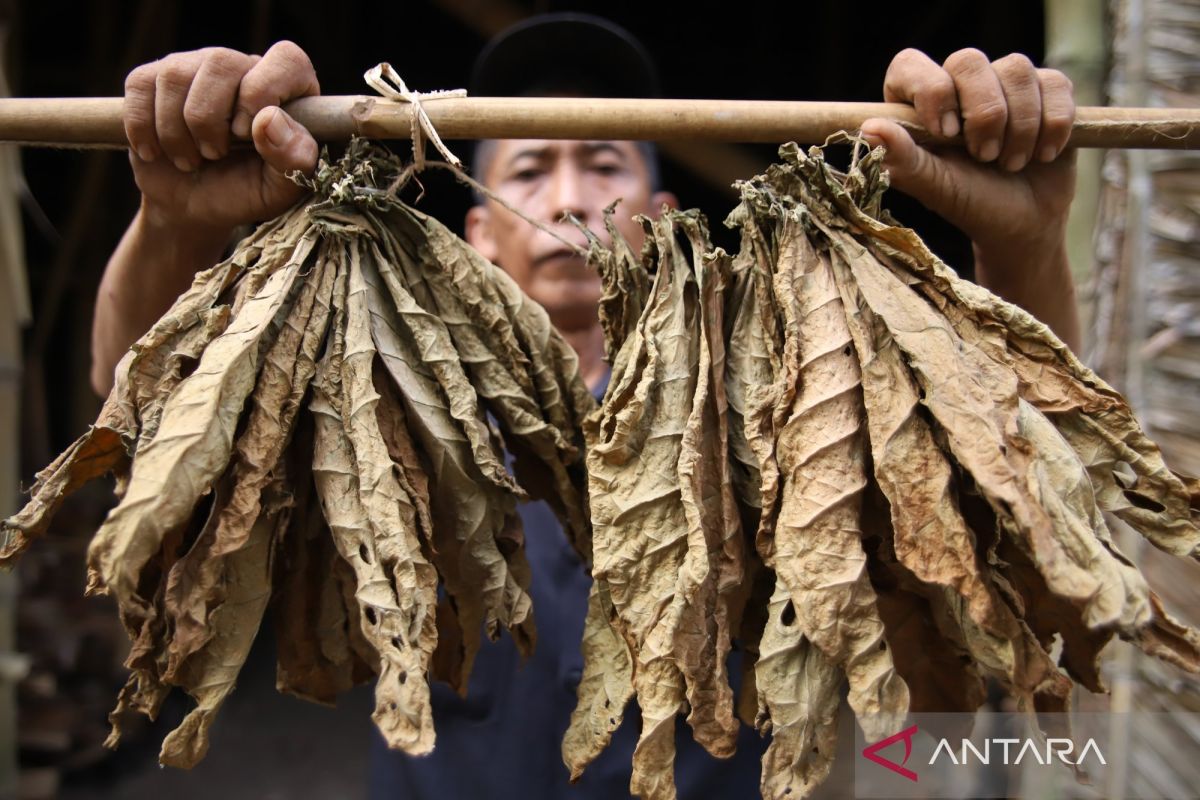
The success of Deli Maatschappij attracted other Dutch businessmen to establish tobacco plantations. By 1914, there were 101 companies, including the largest, Deli Maatschappij and Senembah Maatschappij. Deli tobacco was popular in the German market for its premium quality, elasticity, fine veins, and strong aroma and flavour, making it highly suitable for cigar wrappers.
The plantations needed thousands of workers to clear forests and plant tobacco. In his book A Dark Age in Deli: Contract Coolies of Old and Their Suffering and Anger (1977), Mohammad Said – a historian, journalist and founder of Medan’s Waspada newspaper – wrote that local communities, including the Malay, Batak and Karo, were unwilling to work as colonial labourers. They preferred to farm their own land.
According to Said, plantation owners responded by bringing in labourers from China in 1864. The Chinese workers, most of them Hokkien, Teochew and Hakka, were brought to Deli. The first group came from Penang and Singapore. Tamil workers from India were also brought in from the same places, beginning in 1873.
German historian Karl J. Pelzer writes in Planter and Peasant: Colonial Policy and the Agrarian Struggle in East Sumatra 1863–1947 that Chinese and Tamil labourers from Penang and Singapore were lured to Deli with promises of high wages. Some were even forced or roughly pushed aboard barges.
Mohammad Said also records the role of businessman Tjong A Fie, who later helped manage, facilitate the placement of, and exert control over the contract-labourer community.
After learning that Penang and Singapore were being used as departure points for labourers, the British government, which controlled both territories at the time, banned human trafficking in 1877.
Source: jawawa.id (https://jawawa.id/newsitem/the-origins-and-suffering-of-javanese-contract-labourers-in-north-sumatra-1794293475)
Originally published by Antara (Indonesian) (https://www.antaranews.com/berita/5843515/asal-muasal-koelikontrak-jawa-di-sumatra-utara-dan-deritanya), translated from Indonesian