
The Origin of the Word "Babu" Revealed, Its Meaning is Unexpected
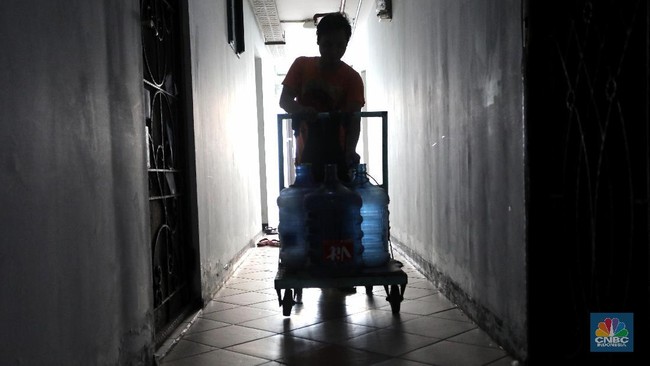
A glimmer of hope has emerged for Domestic Workers (PRT) after Parliament approved the Domestic Workers Protection Law (UU PRT) on Tuesday (21/4/2025).
Through this regulation, PRT now have a clear legal umbrella to protect them from discrimination, exploitation, and harassment. On the other hand, employers also gain certainty regarding their rights and obligations.
With the arrival of this law, condescending views towards PRT are expected to gradually fade. This is because domestic workers have long been attached to negative stigmas, including through the term “babu”. Although the Great Dictionary of the Indonesian Language (KBBI) defines babu as “a woman who works as a maid (servant) in other people’s households; domestic helper”, the term has come to connote belittlement and discrimination.
Historical traces show that the use of the word “babu” is indeed inseparable from colonial legacies. According to the testimony of Ide Anak Agung Gde Agung in Memories of the Past: The Dutch East Indies Colonial Era and the Japanese Occupation in Bali (1993), babu was a term for female domestic workers during the Dutch colonial era.
Etymologically, the word “babu” is suspected to originate from the Javanese language, which originally meant “mother”. However, as colonial practices developed, its meaning shifted. The high needs of Europeans, especially single ones, for household management led to the employment of indigenous people in the domestic sector. In more established European families, this need was even greater due to the size of the houses and the number of family members.
From there, the “babu” performed various household tasks. From managing the kitchen, garden, children, to horses. Meanwhile, citing the testimony of Ide Anak Agung Gde Agung, male workers were known by a different term, namely “jongos”.
The term “jongos” refers to male bachelors or male helpers, derived from the Dutch word jongen (singular) or jongens (plural), meaning “boy” or “male servant”.
Besides “babu” and “jongos”, there was also the term “nyai”. Historian Frances Gouda in her book Dutch Cultures Overseas: Colonial Practices in the Dutch East Indies, 1900-1942 (2007) notes that women who became nyai endured long days with heavy workloads, while also having to meet their employer’s personal needs. Their positions were highly vulnerable as they could be expelled at any time.
Both babu, jongos, and nyai often experienced harsh and discriminatory treatment. On that basis, as the colonial era ended and Indonesia gained independence, those terms were gradually abandoned.
In their place, the term “pembantu” emerged, which is considered more polite. However, in practice, the position of domestic workers remains vulnerable to unfair treatment until now, when they are beginning to receive protection through the UU PRT.