
The Night of Suro and the Dialogue of Civilisations
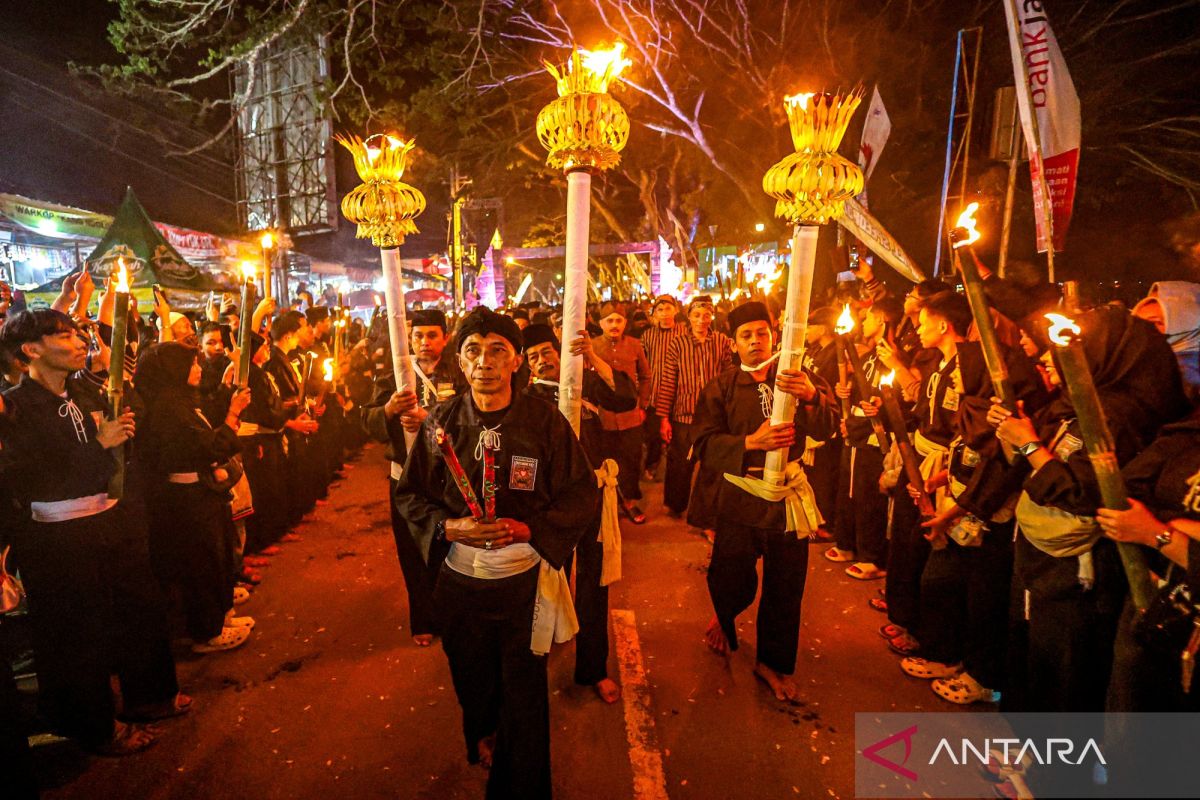
There are certain nights that do not merely mark a change of date, but also alter the way society views time. In East Java, the night of 1 Suro is one of them. When the Javanese calendar enters a new year coinciding with 1 Muharam in the Hijri calendar, public spaces transform into living cultural stages. Torches are lit, heirlooms are cleansed, cone-shaped offerings of crops are paraded, wayang is performed, and thousands of people walk in silence.
In Ponorogo, thousands of residents throng the route of the heirloom parade, relics of Batarakathong that symbolise the history of the region’s founding. At Lake Ngebel, the community encircles the lake through the Lampah Ratri Obor Sewu tradition. In Lumajang, residents at the foot of Mount Semeru hold Grebeg Suro with a procession of cone-shaped offerings and a ritual of gratitude for the abundance of water sources. Meanwhile in Kediri, the site associated with Sri Aji Jayabaya once again becomes a centre for cultural parades and pilgrimages, attracting tourists including those from abroad.
These phenomena show that Suro is not merely a date on the calendar. It is a meeting space for history, spirituality, culture, and local identity. Amidst fast-paced modern life, the Suro tradition offers a pause. Society is invited to look back at its cultural roots while reflecting on life’s journey and the future. It is no surprise that various regions in East Java continue to uphold this tradition with great enthusiasm.
Yet behind the festive rituals and the bustle of cultural tourism, a more important question arises. What is the meaning of Suro for today’s society, and how can this tradition remain relevant amidst changing times? Suro holds a special position in Javanese culture. This month is often understood as a momentum for introspection, self-restraint, and an effort to draw closer to the Creator and the surrounding nature. Consequently, many Suro rituals are not oriented towards parties or lavish celebrations. Instead, symbols of purification, contemplation, and respect for ancestral heritage stand out. The heirloom cleansing tradition in Ponorogo, for instance, is not merely about cleaning historical objects. The procession implies a message about nurturing the values inherited from previous generations. A similar theme appears in the Grebeg Suro tradition in Lumajang. The ritual of burying a cow’s head in a spring area is not just a customary ceremony, but a symbol of respect for the source of life that sustains the community around Mount Semeru. In the context of an increasingly real environmental crisis, that message becomes ever more relevant.