
The New Richest Person in Asia Successfully Ousts Gautam Adani
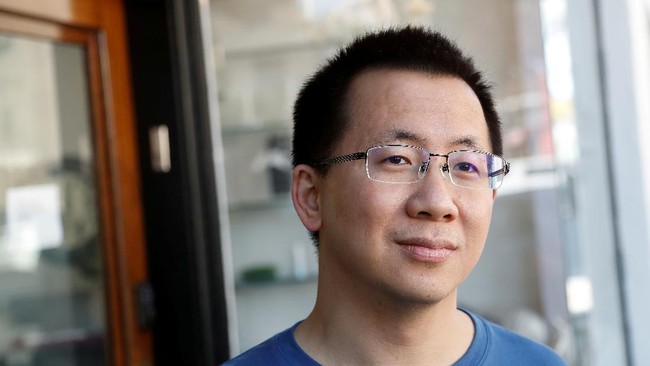
The founder of ByteDance, Zhang Yiming, has officially unseated Indian billionaire Gautam Adani from his throne to be crowned the richest person in Asia. The net worth of the boss behind the popular TikTok application has exploded to reach US$1_05 billion (approximately Rp1,863 trillion), following a massive wave in the Artificial Intelligence (AI) industry that has boosted the fortunes of technology tycoons.
According to a Bloomberg report, cited from the Economic Times on Thursday (17/09/2026), the wealth of the 43-year-old Zhang has skyrocketed to more than eight times its March 2019 level, when it sat at around US$13 billion (Rp231 trillion). His fortune jumped by more than US$12 billion in this month alone, following recent valuation analyses released by major investment management giants such as BlackRock, Fidelity Investments, and T. Rowe Price.
This prestigious position automatically propelled Zhang past Gautam Adani in the Bloomberg Billionaires Index. Previously, Adani’s wealth reached a peak of US$120 billion (Rp2,130 trillion) last June. However, the Indian energy tycoon’s wealth has declined in recent months due to portfolio rebalancing in the MSCI index, alongside global sell-offs triggered by surges in oil prices and bond yields.
The Key to Zhang’s Surging Wealth
Zhang’s massive wealth was built through ByteDance, the parent company of TikTok, which has successfully transformed into one of the most influential social media platforms on Earth. Not content with merely dominating the social media market, the company has moved aggressively into the AI sector, producing innovations such as the Doubao chatbot and the automated video creation tool, Seedance.
Omdia Chief Analyst, Lian Jye Su, believes the surge in Zhang’s wealth is definitive proof of how the AI technology explosion is beginning to shift the dominance of wealth away from conventional industrial sectors, such as Adani’s energy empire or Mukesh Ambani’s conglomerates.
“He has played his cards correctly,” Lian Jye Su stated in the report, highlighting Zhang’s consistency in deploying significant capital to advance AI investments within his company.
This strategic move has proven effective. Even amidst regulatory pressure and intense scrutiny from the US government regarding TikTok, Zhang has not loosened his focus on AI development. ByteDance is considered to possess a competitive advantage through its massive stockpile of social media data, which is ideal for training cutting-edge AI models.
Currently, AI-based product lines and services have become ByteDance’s primary pillar for generating profit outside its core video business, although intense competition in the Chinese domestic market remains a significant challenge.
Moving Beyond Geopolitical Shadows
Zhang’s rise in wealth comes after his company endured years of turbulence caused by geopolitical uncertainty and US regulations. Earlier this year, ByteDance took tactical steps by transferring part of TikTok’s US operations to local investors, a move that successfully mitigated the storm of uncertainty regarding the app’s fate in the United States.
It should be noted that the Bloomberg Billionaires Index conservatively applies a 10% risk discount to ByteDance’s valuation, given the company’s status as a private entity.
Before claiming the throne in Asia, Zhang had already been named the richest person in China due to TikTok’s global expansion and ByteDance’s AI business empire. This phenomenon reflects a shift in the economic power map within Asia, where the AI-based sector is now becoming the most dominant new wealth-generating engine, aligning with China’s ambition to emerge as a winner in the global technology war against the United States.
Source: jawawa.id (https://jawawa.id/newsitem/the-new-richest-person-in-asia-successfully-ousts-gautam-adani-1789665276)
Originally published by CNBC Indonesia (https://www.cnbcindonesia.com/tech/20260917151101-37-768755/sosok-orang-terkaya-baru-di-asia-sukses-tendang-gautam-adani), translated from Indonesian