
The Name ‘Depok’ Is Said to Be a Dutch Acronym — Here’s What It Stands For
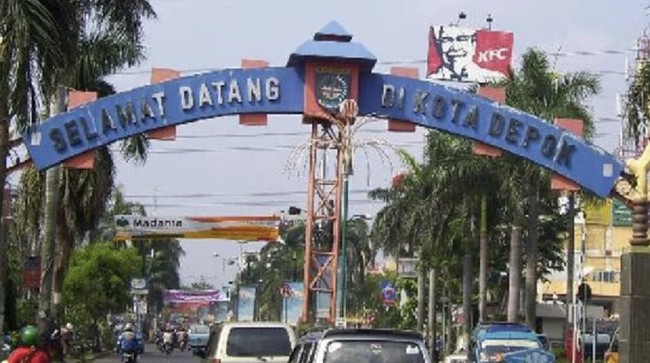
Depok is widely known as one of the satellite cities surrounding Jakarta. Yet few people know that its name has a long history rooted in the Dutch colonial period and is said to derive from an acronym.
Historically, the Depok area was part of the colonial administration known as the Ommelanden van Batavia Residency, which covered areas around Batavia, now Jakarta. This status was established by a decision of the Governor of Batavia on 11 April 1949. Over time, the area developed from plantations into a strategically located settlement, now integrated with the growth of the Jakarta metropolitan area.
The name “Depok” is said to be an abbreviation of De Eerste Protestantse Organisatie van Kristenen, meaning “The First Protestant Organisation of Christians”. The term refers to a community established by people formerly enslaved by Cornelis Chastelein, a Dutch landowner who freed them and bequeathed land in the area. The community later became a precursor to modern Depok society.
Chastelein was a prominent figure. He was a VOC employee who rose from warehouse supervisor to chief merchant and member of the Batavia City Council. Earning a substantial salary for the period — about 200–350 guilders a month — he bought several plots of land around Batavia, including the area now known as Depok.
The book Depok Tempo Doeloe (2011) says the first land he bought, in 1693, was in Weltevreden, now called Gambir. He used it to grow sugar cane. After retiring from the VOC, Chastelein settled in Serengseng, now Lenteng Agung, where he built a large house.
“When he moved to Seringsing, Chastelein brought not only his family but also his enslaved people,” Tri Wahyuning M. Irsyam wrote in Berkembang dalam bayang-bayang Jakarta: Sejarah Depok 1950-1990-an (2017:41).
He brought his family and around 150 enslaved people from outside Java. Notably, he treated them humanely and freed them before his death on 28 June 1714.
Chastelein tasked the people he had freed with managing his large house in Serengseng. He also assigned them to look after plantations he had recently bought in Mampang and Depok. The land produced valuable crops including sugar cane, pepper, nutmeg and coffee.
Chastelein grew wealthy from these ventures and became one of the richest people in Batavia, now Jakarta. He died on 28 June 1714. After his death, there was little dispute over what would happen to his wealth and land.
Three months before his death, on 13 March 1714, he had written a will. It stipulated that his wealth should be distributed not only among his family but also freely to the people he had freed, so they could become independent and prosper.
He also wanted the land to serve as a centre for spreading Christianity in Batavia. In fulfilment of this wish, the people he had freed established a community called De Eerste Protestantse Organisatie van Kristenen, or the First Protestant Organisation of Christians. Gradually, the land where the community lived came to be called Depok, after the organisation. Members of the community, and their descendants, later became known as “Depok Dutch”.
Today, although the historical meaning of the name is less widely known, Depok remains an important Indonesian city. Other explanations of the name have also circulated over time. One popular modern backronym is “Daerah Permukiman Orang Kota” (“Urban Residents’ Settlement”), although it has no historical basis as strong as the original account.
Depok is now known not only as a residential city but also as an educational centre and a growing economic hub south of Jakarta. The presence of major institutions such as the University of Indonesia has helped drive the area’s development.
Source: jawawa.id (https://jawawa.id/newsitem/the-name-depok-is-said-to-be-a-dutch-acronym-heres-what-it-stands-for-1794189046)
Originally published by CNBC Indonesia (https://www.cnbcindonesia.com/lifestyle/20261109043746-33-783340/nama-depok-ternyata-singkatan-bahasa-belanda-ini-kepanjangannya), translated from Indonesian