
The Mystery of Lake Kelimutu, a Resting Place for Souls in Local Belief
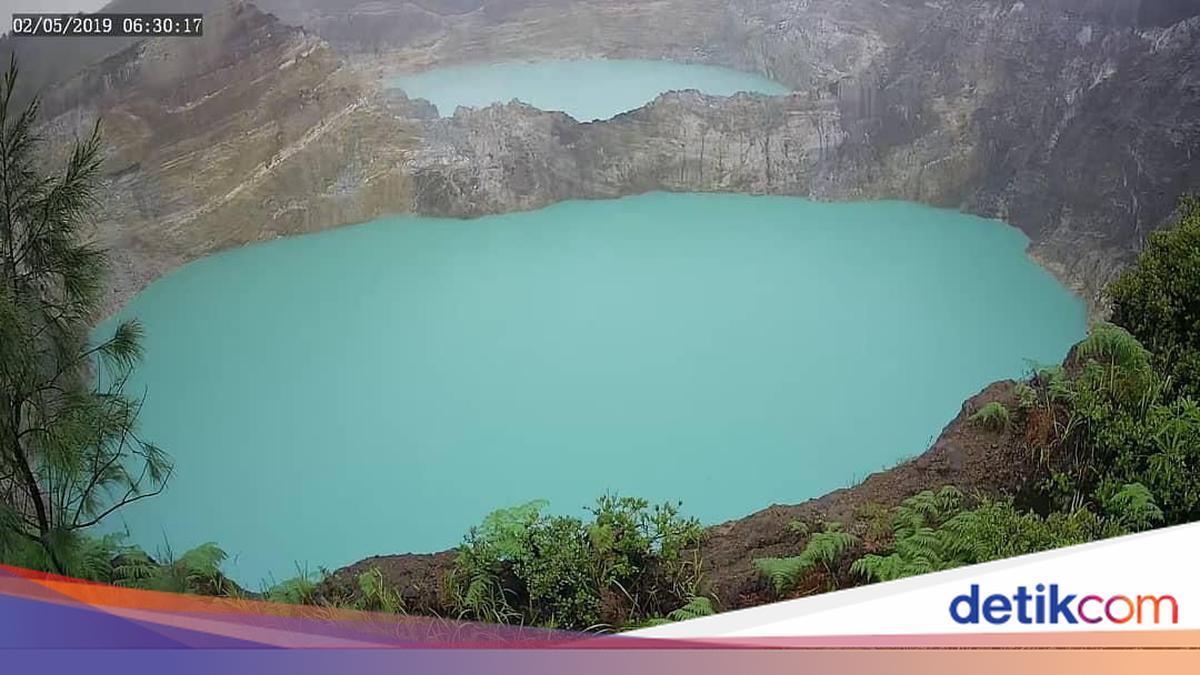
Lake Kelimutu in Flores, East Nusa Tenggara (NTT), is known as one of Indonesia’s most captivating natural phenomena. At the summit of Mount Kelimutu are three crater lakes whose waters are different colours and change over time; together, they are known as the Three-Coloured Lakes.
This distinctive feature attracts not only tourists but also carries spiritual significance for the Ende Lio Indigenous community. The changes in colour can be explained by volcanic activity and the chemical conditions of the water.
Location of Lake Kelimutu
Lake Kelimutu is in Kelimutu National Park, Pemo Village, Kelimutu District, Ende Regency, Flores, NTT. It lies about 65 kilometres from the town of Ende, at an elevation of 1,639 metres above sea level.
The area was designated Kelimutu National Park on 26 February 1992 and covers approximately 5,365 hectares. It is one of four national parks in NTT Province.
History and legends of the lakes
For the Ende Lio people, Kelimutu is more than a tourist destination. The three lakes are believed to be the resting places of human souls after death, according to how they lived.
Tiwu Ata Mbupu: believed to be where the souls of deceased elders gather.
Tiwu Nuwa Muri Koo Fai: the resting place of the souls of young people and girls who have died.
Tiwu Ata Polo: believed to be where the souls of people who committed evil deeds during their lives go.
The legend has been passed down orally from generation to generation. The local community continues to protect Kelimutu as a symbol of balance between nature, humanity and the spiritual world.
What causes the water to change colour?
The colours of the three lakes are not permanent. At different times, the water can turn green, red, blue, white or brown.
Scientifically, the changes are caused by volcanic activity in the Kelimutu area. Gases from underground rise to the surface and react with the lake water, changing its chemical composition.
Other factors include:
Reactions between minerals and volcanic gases in the water.
Differences in the depth of each lake.
The types of algae or microbes living in the lakes.
Changes in the water’s oxidation levels.
Some people regard the changing colours as signs from nature. However, the Kelimutu National Park Office says the phenomenon is linked to volcanic processes and the chemical conditions of the water.
The significance of the three colours to local people
For the Indigenous community, the lakes’ three colours are more than a visual spectacle: they represent the journey of human souls. Each lake is believed to have its own “owner”, or to be a resting place for a different group of souls.
This belief leads the community to protect Kelimutu’s sacred character. The lakes are considered holy, and visitors are expected to respect customary rules and avoid damaging the surrounding environment.
Kelimutu as a tourist attraction
Kelimutu’s main attraction is the view of three adjacent crater lakes, each a different colour. The most popular time to see them is at sunrise, when morning light falls on the lake surfaces through a thin veil of mist.
Visitors can also enjoy the mountain forest, cool air and natural diversity of Kelimutu National Park. The destination is known internationally and has become one of Flores’s tourism icons.
Tips for visiting Kelimutu
Arrive early to enjoy a clearer sunrise view.
Wear a thick jacket, as temperatures at the summit tend to be cold.
Follow the paths and rules set by Kelimutu National Park’s management.
Keep the area clean and avoid actions that could offend the site’s sacred character.
Lake Kelimutu demonstrates Indonesia’s extraordinary natural wealth alongside a living and preserved cultural heritage. Its combination of volcanic phenomena, local legends and scenic landscapes makes it a destination worth including when exploring Flores.
Source: jawawa.id (https://jawawa.id/newsitem/the-mystery-of-lake-kelimutu-a-resting-place-for-souls-in-local-belief-1794124237)
Originally published by detikBali (https://www.detik.com/bali/wisata/d-8743617/misteri-danau-kelimutu-tempat-peristirahatan-jiwa-menurut-kepercayaan-lokal), translated from Indonesian