
The Military's Role in Developing Nations Grows More Strategic, No Longer Just About Safeguarding Sovereignty
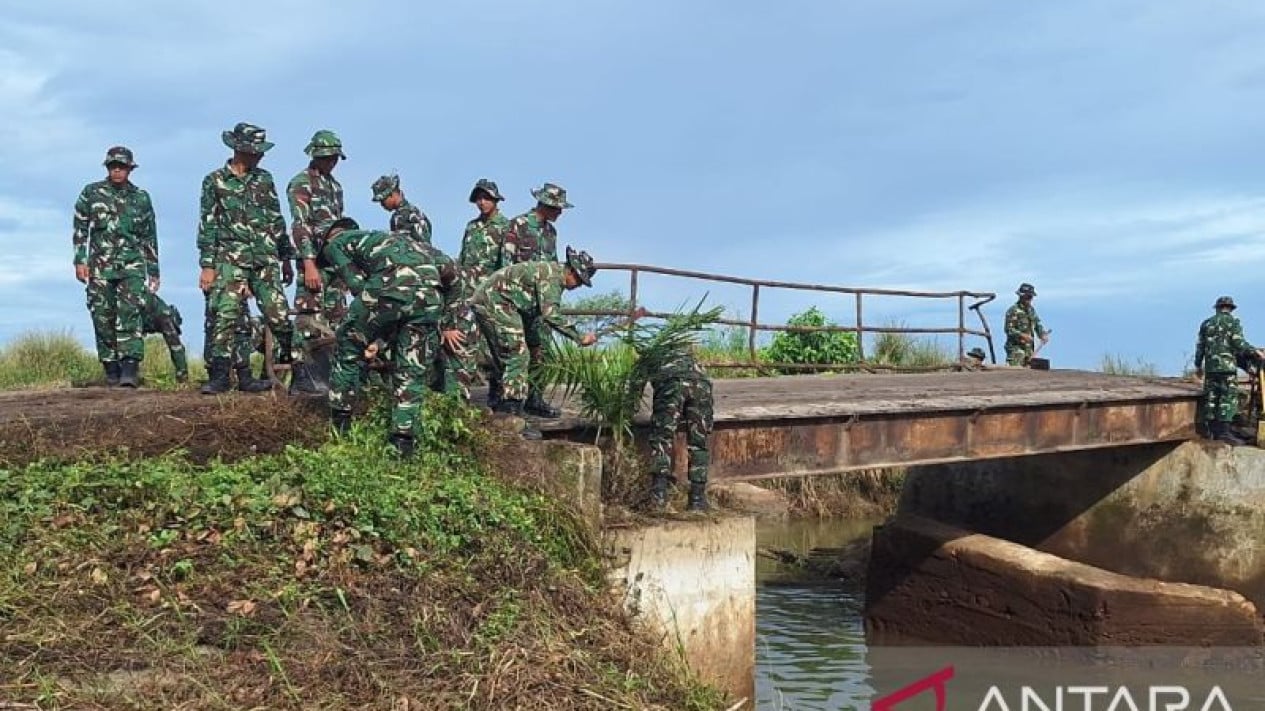
The military in developing countries is occupying an increasingly strategic position amidst the growing complexity of global challenges. If previously the military’s role was synonymous with safeguarding sovereignty and facing conventional defence threats, its tasks have now evolved alongside the emergence of various non-military threats that directly impact national stability.
Many developing nations have turned their military institutions into key state instruments due to their strong organisational capabilities, high mobility, and trained human resources. These capabilities are considered crucial assets in supporting national resilience across various sectors.
Additionally, the military’s role is receiving more attention because several developing countries have successfully built significant defence strengths on the global stage. According to the latest global military strength index, countries such as India, Pakistan, Brazil, Indonesia, and Egypt occupy important positions on the international military power map.
Beyond maintaining security and defence, the military in a number of developing countries is also involved in various strategic national programmes, ranging from infrastructure development and disaster management to strengthening food security and supporting development in remote areas with limited access.
Amid these conditions, a view has emerged that the relationship between defence and development can no longer be separated. Security stability forms a crucial foundation for development, while successful development will, in turn, strengthen the state’s resilience and endurance in facing various threats.
This perspective was put forward by Air Vice-Marshal Dr. Budhi Achmadi in his article titled ‘Defence, Development, and the Democratic Corridor’. According to him, changes in the global strategic environment have made the concept of the military’s role in development relevant for discussion once again.
Budhi explained that the challenges currently faced by many countries are no longer solely conventional military threats. Modern threats have evolved to become more complex and multidimensional. Various issues such as terrorism, cyber-attacks, pandemics, natural disasters, energy crises, food crises, and technological disruption have now become challenges that the state must address comprehensively. This situation has brought renewed attention to the thinking of political scientist Alfred Stepan, particularly regarding the concept of ‘defence and development’.