
The middle class's impossible dilemma
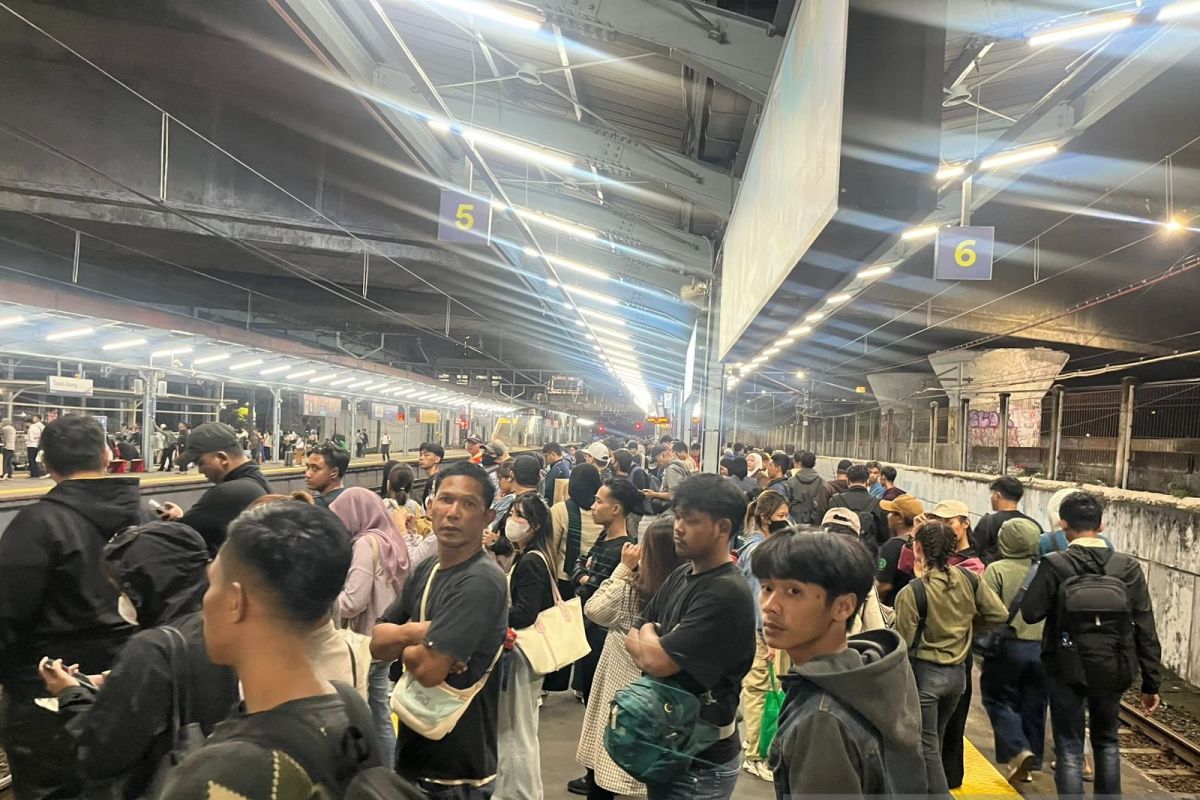
Jakarta (ANTARA) - It is not an unfamiliar sight to see workers unwinding with an iced latte at a local café after finishing their packed lunch, which has long gone cold. After office hours, the tote bags containing the ‘tools of battle’ for workers living in satellite cities look incredibly heavy to carry. This stands in stark contrast to the trendy glass of milk tea in their other hand, as they half-jog towards the perpetually crowded KRL station. The streets around stations and bus stops remain busy with buyers grabbing snacks to stave off hunger before having to endure a long and packed journey home. Visually, the economy appears to be moving as usual. Yet, within the daily lives of these middle-class workers, expenses must be cut by using packed public transport and bringing their own lunch just to save Rp20,000 a day. The middle class is often overlooked despite contributing enormously to the national economy. They are the most dutiful taxpayers, drivers of domestic consumption from the micro, small, and medium enterprise (MSME) level, guardians of purchasing power, and pillars of the service sector economy. They are also a group of people who harbour hopes of climbing the social ladder and improving their standard of living through hard work. However, it is undeniable that they are often in an impossible dilemma. The aspiration for a better life must inevitably be achieved through great struggle. Wages remain stagnant amidst rising costs for clothing, housing, and food, tertiary needs, and, of course, other sensitive influencing factors such as domestic economic policies and the current challenging global dynamics. Meanwhile, in 2025, the middle-class population has plummeted to 46.7 million people, causing its proportion of the total population to fall to 16.6 per cent of Indonesia’s total populace.