
The Medina Charter and Exemplary Tolerance
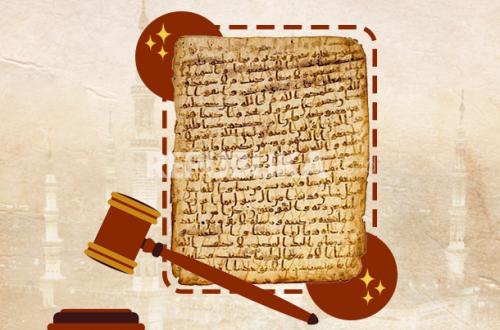
During the time of Prophet Muhammad, the condition of Muslims began to improve following the migration from Mecca to Yathrib (Medina). There, the Prophet was appointed as the leader of a pluralistic society, in addition to being the guide for the Muslim community. From that point, he was able to more actively implement Islamic law, including in matters of tolerance.
After uniting the Ansar and Muhajirin in bonds of brotherhood and faith, the Prophet enacted the Medina Charter. This agreement accommodated the interests not only of Muslims but also of the Jews and idol worshippers living in the city. Its purpose was to enable each community to coexist peacefully and assist one another.
However, attempts to undermine the Medina Charter soon emerged. One such incident became the occasion for the revelation of Surah Al-Baqarah verse 256. Hamka explains that the Banu Nadhir tribe repeatedly violated key points of the Charter. The tribe, which was predominantly Jewish, was even proven to have plotted to kill the Prophet. Consequently, the Banu Nadhir were expelled from Medina.
Yet, the Muslims faced a dilemma rooted in a local tradition that predated Islam. When the city was still called Yathrib, the local inhabitants felt their way of life was more uncivilised than that of the Jewish community. They admired the Jewish scholars’ expertise in educating the younger generation. As a result, some entrusted their children to be raised according to Jewish customs.
Now, the children of the Ansar who had been entrusted to the Banu Nadhir had grown up. Some had even become devout Jews, having been raised in that faith since childhood. Many Ansar parents pleaded with the Prophet to forcibly convert their children to Islam, fearing their offspring would end up in hell.
Then, verse 256 of Surah Al-Baqarah was revealed, affirming that there is no compulsion in religion. According to a narration by Ibn Abbas, the Prophet merely summoned the children and asked them to choose whether to embrace Islam or remain with Judaism. Many decided to become Muslim, while others chose to continue their old faith and subsequently followed the Banu Nadhir in leaving Medina.
In relation to this event, Buya Hamka cited the appreciation of Professor Philip Khuri Hitti. The author of ‘History of the Arabs’ considered Al-Baqarah verse 256 to be a worthy reference for interfaith relations.
Another case occurred when the Prophet received a Christian delegation from Najran at the Nabawi Mosque. The companions were surprised by the unexpected decision he made.