
The Meaning of Tasyrik Days: Origins, Sunnah Practices, and Historical Events
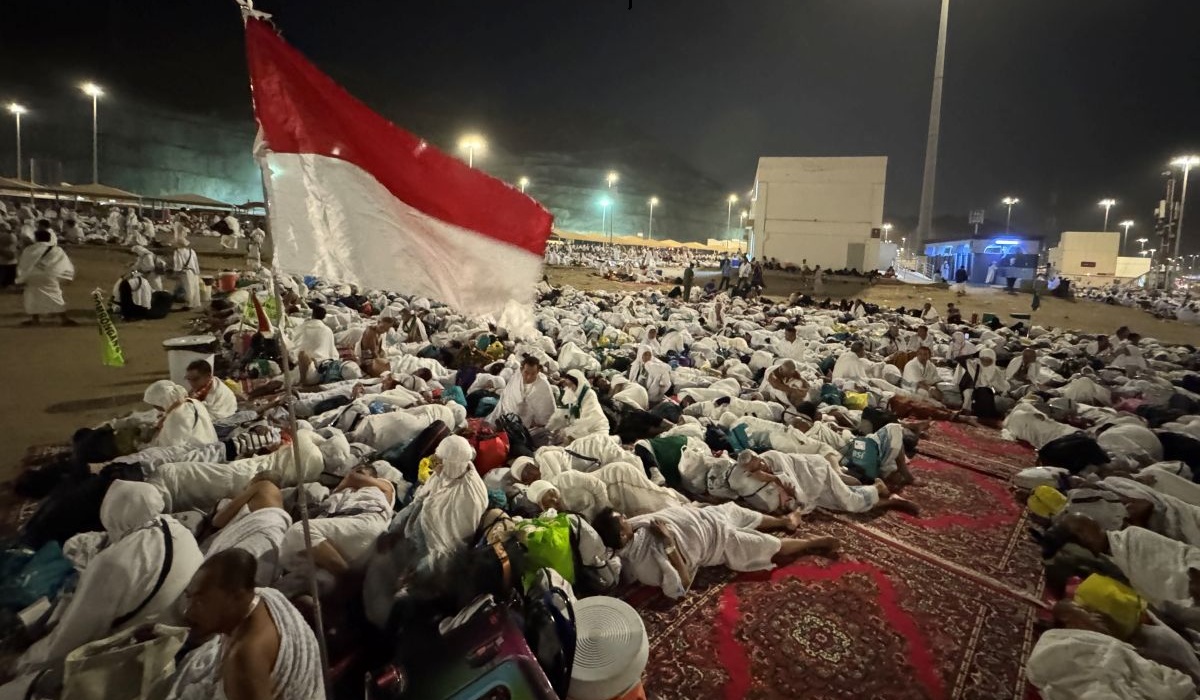
Tasyrik Days are three significant days in the Islamic calendar falling on the 11th, 12th, and 13th of Dhu al-Hijjah. These days follow Eid al-Adha (10 Dhu al-Hijjah) and hold a special position in Islamic law. Spiritually, Tasyrik Days are a time for Muslims to increase remembrance of Allah, express gratitude, and enjoy His blessings after performing the sacrifice. Let us delve into the details.
Meaning and Origins of the Term Tasyrik
Etimologically, the term ‘tasyrik’ derives from the Arabic word ‘syaraqa’, meaning ‘to rise’ or ‘to dry in the sun’. Historically, there are several reasons for this name:
Meat Drying Tradition: In the past, before refrigeration, Hajj pilgrims and Meccan residents preserved sacrificial meat by slicing it thinly, salting it, and drying it under the sun until it became jerky. This process was known as ‘tasyriqul lahm’.
Eid Prayer Timing: Another view suggests the name comes from the Eid prayer being performed when the sun begins to rise (syuruq).
Historical Events on Tasyrik Days
Tasyrik Days are closely linked to major events experienced by Prophet Ibrahim (AS) and his family. Key historical moments include:
Prophet Ibrahim’s Steadfastness: These days commemorate Ibrahim’s unwavering obedience to Allah after enduring the trial of sacrificing his son, Ismail (AS).
Stoning of the Jamarat: For Hajj pilgrims, Tasyrik Days involve the obligatory ritual of throwing stones at three pillars (Jamarat al-Ula, al-Wustha, and al-Aqabah) in Mina. This ritual symbolises Ibrahim’s expulsion of Satan, who attempted to dissuade him from obeying Allah’s command.
Overnight Stay in Mina: Tasyrik Days witness millions of Muslims from around the world gathering in the Mina valley to remember Allah and draw closer to the Creator.
Rulings and Prohibitions on Tasyrik Days
In Islamic law, Tasyrik Days have specific legal status compared to other days:
- Prohibition on Fasting
Muslims are forbidden from fasting on Tasyrik Days, whether voluntary or obligatory (such as making up missed Ramadan fasts). This is based on a hadith from Prophet Muhammad (SAW) stating that Tasyrik Days are for eating, drinking, and remembering Allah.
- Obligations for Hajj Pilgrims
For those performing Hajj, staying overnight in Mina and stoning the Jamarat during these days are mandatory; failure to comply requires paying a penalty (dam).
Recommended Sunnah Practices
Although fasting is prohibited, Muslims are strongly encouraged to observe Tasyrik Days with virtuous acts:
Increasing Takbir: Reciting the restricted takbir (Takbir Muqayyad) after each obligatory prayer until Asr on the 13th of Dhu al-Hijjah.
Remembrance and Supplication: Reciting the ‘Sapu Jagat’ prayer (Rabbana atina fid-dunya hasanah…). Scholars note this prayer is particularly relevant on Tasyrik Days as it encompasses requests for goodness in both this world and the hereafter.
Sacrificing Animals: The time for animal sacrifice continues until sunset on the 13th of Dhu al-Hijjah, allowing those who missed the Eid sacrifice to perform it.
Strengthening Family Ties: Using the occasion of sharing sacrificial meat to strengthen bonds among Muslims.
Important Note: Tasyrik Days are a time of divine hospitality. Enjoying food and drink with the intention of strengthening one’s worship is a form of gratefulness that carries reward.
Source: jawawa.id (https://jawawa.id/newsitem/the-meaning-of-tasyrik-days-origins-sunnah-practices-and-historical-events-1780022195)
Originally published by Media Indonesia (https://mediaindonesia.com/humaniora/894640/makna-hari-tasyrik-asal-usul-amalan-sunah-dan-peristiwa-bersejarah), translated from Indonesian