
The Map of Schools and Urban Justice
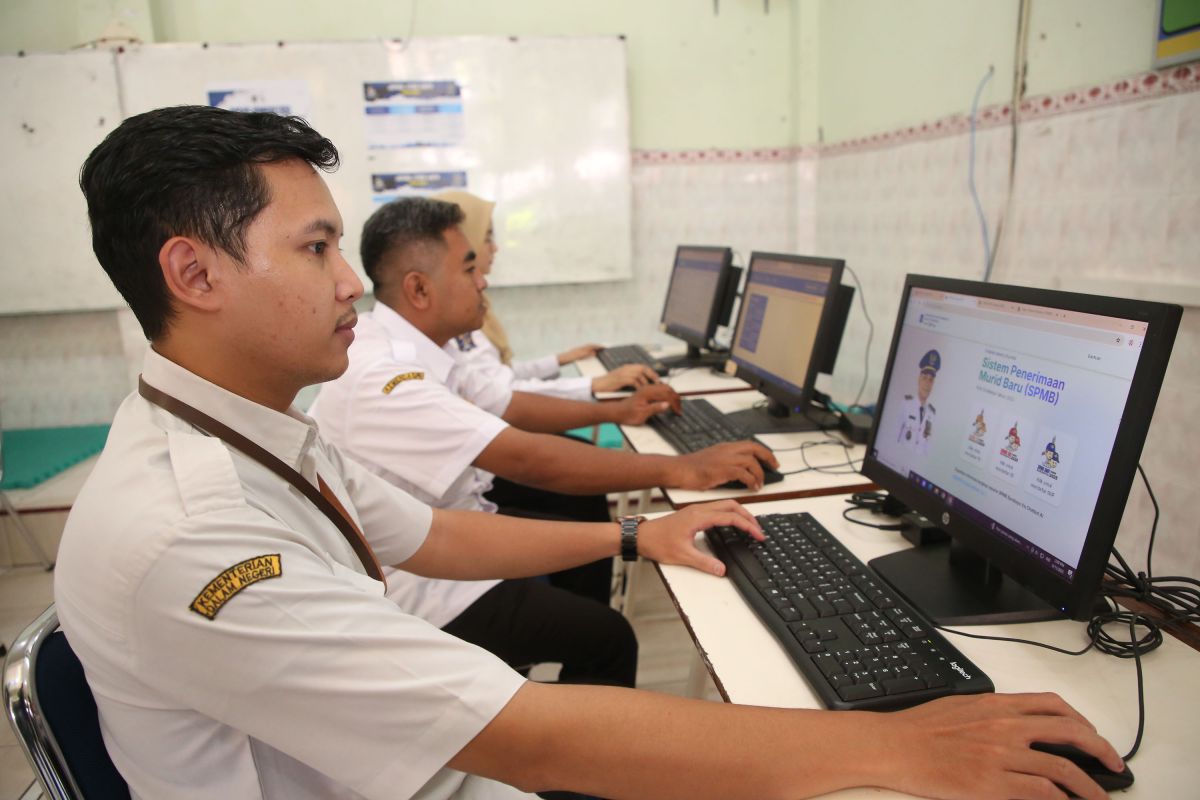
A row of plastic chairs is being arranged at several state schools in the city of Surabaya. Parents arrive with mobile phones, copies of family cards, and notes on the distance from home to the destination school. Amid the queue, there is a long-standing anxiety that recurs every admissions season. It’s not merely about being accepted but about who is closest to access to education regarded as quality. The Student Admission System (SPMB) in Surabaya for the 2026/2027 academic year again serves as a mirror of how the city manages its citizens’ aspirations. The Surabaya City Government is trying to fix many aspects, from opening service posts at all public primary and secondary schools, tightening domicile verification, to ensuring all primary school graduates are accommodated in both public and private junior high schools. On paper, the system appears more orderly. Yet behind it lie bigger questions about the equity of education quality and the meaning of justice in a large city. Seat competition The SPMB is not merely an annual administrative matter. It has become a battleground for the future. Therefore, every policy change triggers emotional reactions among the public. Surabaya tries to reduce this anxiety by opening service posts at schools. This step seems simple but important. For years, one of the main problems in admissions has been information asymmetry. Parents accustomed to using digital technology tend to be more prepared than residents with limited internet access or less understanding of online systems. The school posts become a kind of social bridge so that educational services are not the preserve of a particular group. At this point, the state is present not only through apps but through direct assistance. However, the SPMB problem does not end with the registration mechanics. The root of the problem lies in public perception of school quality. As long as popular schools are still seen as the main gateway to a better future, competition will remain intense. The phenomenon of ‘titip kartu keluarga’ which keeps appearing almost every year shows one important thing. Citizens are willing to relocate administrative addresses to approach a particular school. This indicates an imbalance in trust in the quality of education across regions. The Surabaya City Government responds by tightening domicile verification through the integration of population data and the ‘Cek In Warga’ app. This step deserves praise as it aims to maintain the system’s objectivity. Schools must not be won by address manipulation. But the tightening of verification is only a downstream solution. The real problem remains upstream, namely the inequality in school quality. As long as there are schools regarded as ‘first class’ and schools viewed as last resorts, people will keep looking for loopholes. Any system will be difficult to be completely fair if the quality of education services has not truly become evenly distributed.