
The Legacy of Perry Warjiyo and the Future of Indonesia's Sharia Economy
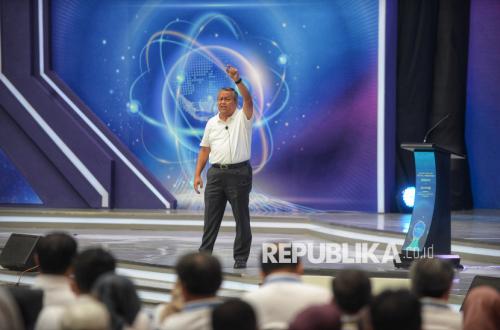
Following the resignation of Bank Indonesia (BI) Governor Perry Warjiyo, a significant question has emerged among Sharia economic practitioners: what is the future direction of Indonesia’s Sharia economic development after his era ends? This question is not without reason. During nearly a decade of leading BI, Perry Warjlo successfully transformed the face of Indonesia’s Sharia economic development, moving it beyond being merely a part of the financial system to becoming a national economic ecosystem.
Interestingly, Perry Warjiyo does not come from a pesantren (Islamic boarding school) or clerical background. Born in Central Java, his commitment and dedication to advancing the Sharia economy have surpassed many figures from religious backgrounds. During his leadership, the enthusiasm for Sharia economic development increased significantly, reflected in various Bank Indonesia policies.
The most revolutionary change in Indonesia’s financial sector regulation occurred after banking supervision functions moved from Bank Indonesia to the Financial Services Authority (OJK). Previously, BI focused more on Sharia banking development. However, under Perry Warjiyo’s leadership, BI repositioned its role as both an initiator and collaborator in building a comprehensive end-to-end halal value chain. This is one of his greatest legacies, alongside the successful introduction of QRIS as the national standard for digital payments.
One of the most prominent policies was the development of the Halal Value Chain (HVC). Through this concept, BI no longer views the halal industry in isolation, but as an integrated value chain ranging from raw material provision, production processes, financing, and halal certification to digital payments and access to domestic and export markets. Unlike many ministries that tend to work sectorally, BI built collaborations across ministries, agencies, the business world, and pesantren to form a complete halal ecosystem.
This vision was aimed at strengthening the national halal industry while reducing dependence on imported raw materials. The HVC connects farmers, MSMEs, processing industries, Sharia financing institutions, off-takers, and export markets. Consequently, the supply chain becomes more efficient, added value increases, and the competitiveness of Indonesian halal products strengthens in the global market.
Another appreciable contribution is the