
The Law on Slaughtering Sacrificial Animals in Mosque Courtyards: Fiqh Guidelines and Etiquette
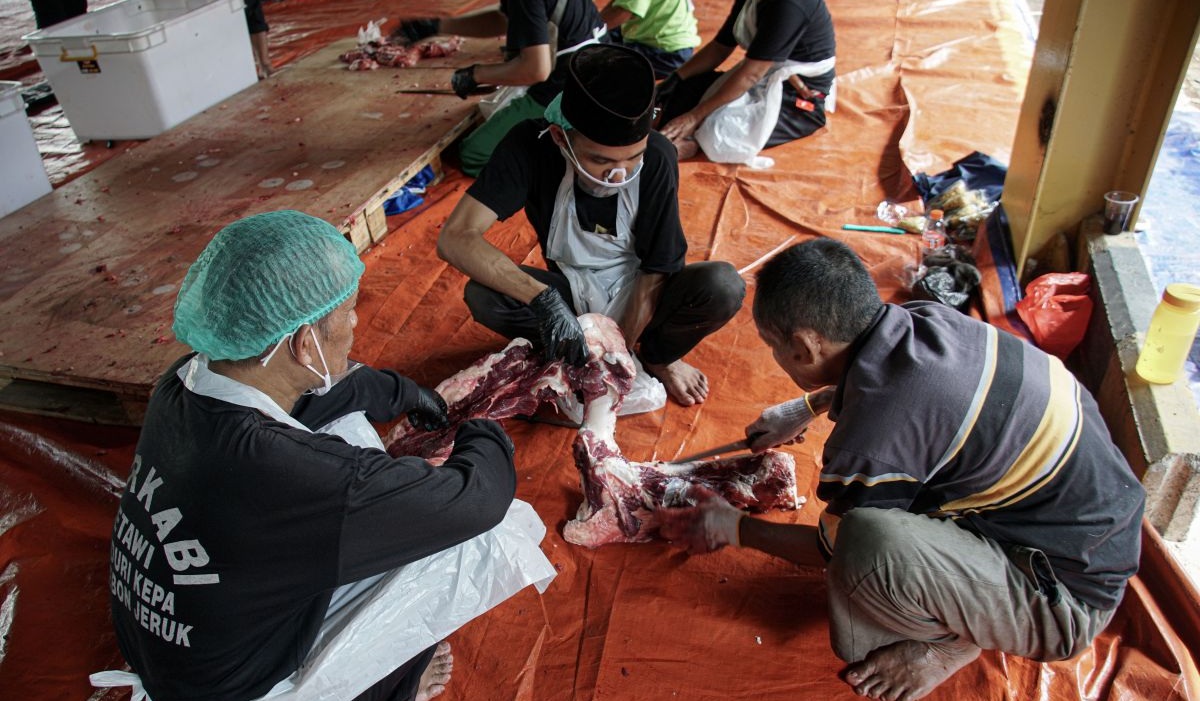
As Eid al-Adha approaches, sacrifice committees across Indonesia are preparing the logistics for slaughtering. One of the most common locations used is the courtyard or surrounding area of mosques. However, questions arise regarding the Islamic legal perspective and scholars’ opinions on using mosque facilities for sacrificial animal slaughter. Read on for detailed explanations. Generally, scholars permit sacrificial slaughter in mosque courtyards or open areas nearby. This is based on the practice of Prophet Muhammad (PBUH) and his companions, who often slaughtered animals at the Eid prayer venue (mushalla, which in that era was an open field). A hadith narrated by Imam Bukhari states that Prophet Muhammad (PBUH) slaughtered his sacrificial animal at the prayer ground. As modern mosques typically have spacious courtyards, these areas are considered valid and practical for coordinating meat distribution to recipients. Although permitted, scholars emphasise important boundaries for the area used: To ensure the sacrifice adheres to Islamic law and does not disrupt worshippers’ comfort, committees must observe the following etiquette: Slaughtering in the mosque courtyard is permissible (mubah) and even a commendable tradition for promoting Islam. However, this permission carries significant responsibility to maintain the mosque’s sanctity, cleanliness, and dignity. Committees must implement effective waste management to prevent negative environmental impacts. Blood should be buried in soil holes to prevent odours and bacteria. If directed to drains, ensure they are covered and flow smoothly to final disposal points. 2. Is it permissible to use the Eid prayer area for slaughter? Yes, provided the area is thoroughly cleaned of all impurities (blood/feces) before reuse for prayer. If the mosque courtyard is inadequate and risks contaminating the main prayer area, relocating slaughter to a slaughterhouse (RPH) or open field is strongly advised. 4. Is a sacrifice valid if performed outside mosque premises? It is entirely valid. The location does not affect the sacrifice’s validity; intention, timing, and procedure are paramount. Blood is considered najis (ritual impurity). If worshippers step in blood and enter the mosque without cleaning their feet or footwear, they bring impurity inside. This underscores the critical need for courtyard cleanliness. 6. Can committees distribute meat inside the mosque? Yes, provided the meat is neatly wrapped and does not drip blood or soil the mosque floor.
Source: jawawa.id (https://jawawa.id/newsitem/the-law-on-slaughtering-sacrificial-animals-in-mosque-courtyards-fiqh-guidelines-and-etiquette-1779912625)
Originally published by Media Indonesia (https://mediaindonesia.com/humaniora/894114/hukum-menyembelih-kurban-di-halaman-masjid-panduan-fikih-dan-adab), translated from Indonesian