
The KPK and Ombudsman Agree to Exchange Public Reports
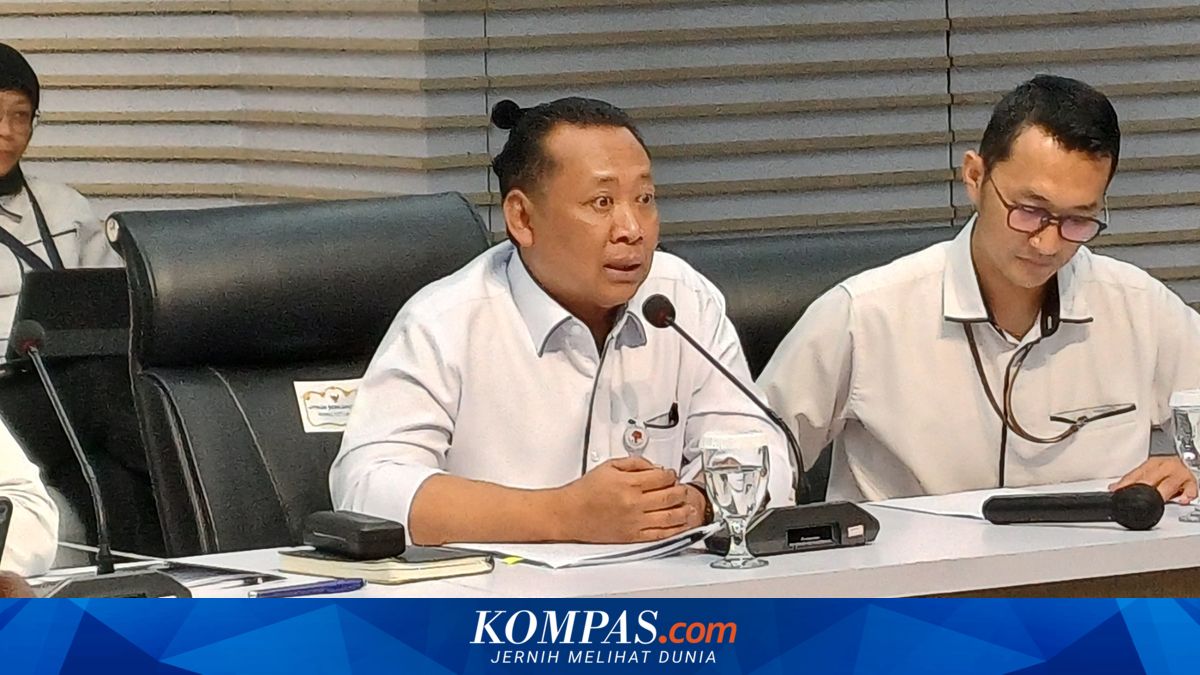
JAKARTA, KOMPAS.com - The Corruption Eradication Commission (KPK) and the Indonesian Ombudsman have agreed to exchange public reports related to public services in order to prevent corruption at its source.
“The public, when dissatisfied, submits reports regarding these issues. I hope that public complaints related to corruption can be submitted to the KPK, and complaints regarding maladministration that are received by the KPK will be forwarded to the Ombudsman,” said Deputy Chairman Fitroh Rohcahyanto, in a written statement, Friday (15/5/2026).
Fitroh Rohcahyanto believes that various public service issues often stem from the bureaucracy itself.
He stated that several factors contribute to the suboptimal resolution of public service issues, ranging from budget limitations and rigid bureaucracy to systems that create opportunities for irregularities.
Therefore, according to Fitroh, improving bureaucratic culture needs to be a shared concern and studied in greater depth so that public service reform can be more effective, transparent, and oriented towards public interests.
“I think this is a good form of cooperation, essentially collaboration and synergy,” said Fitroh.
“Corruption generally involves state funds, both from the state and regional budgets, in various forms such as travel allowances or procurement of goods and services. The methods are also well-known, grouped into seven categories, such as bribery and conflicts of interest,” said Setyo.
Meanwhile, Deputy Chairman of the Ombudsman, Rahmadi Indra Tektona, hopes that the collaboration between the two institutions can be further strengthened with the same spirit, so that state administrators can truly provide tangible benefits to the public.
“Through this meeting, I hope that closer cooperation, constructive dialogue, and the exchange of ideas will be established, resulting in collaborative and concrete steps in the future for the progress of Indonesia,” said Rahmadi.
On the same occasion, Ombudsman Member Syafrida Rachmawati Rasahan said that the Ombudsman’s supervision is also focused on sectors that are considered most vulnerable to corruption, such as land affairs, licensing, education, health, social assistance, and procurement of goods/services.
“These sectors have also been the most reported to the Ombudsman,” she said.
According to Syafrida, the practice of maladministration in public services needs to be continuously monitored to prevent opportunities for abuse of power, illegal levies, or conflicts of interest, which are still often reported and handled by the Ombudsman.
As a follow-up to the meeting, both institutions are committed to establishing a coordination forum, the technical implementation of which will be agreed upon together.
In addition, cooperation will also be strengthened through the exchange of data and strategic studies, as well as the organization of joint discussions on sectors that are vulnerable to corruption and maladministration.
KOMPAS.com is committed to providing clear, trustworthy, and balanced facts. Support the sustainability of clear journalism and enjoy comfortable reading without ads through Membership. Join KOMPAS.com Plus now