
The Japanese Torpedo Whose Capabilities the US Could Not Believe
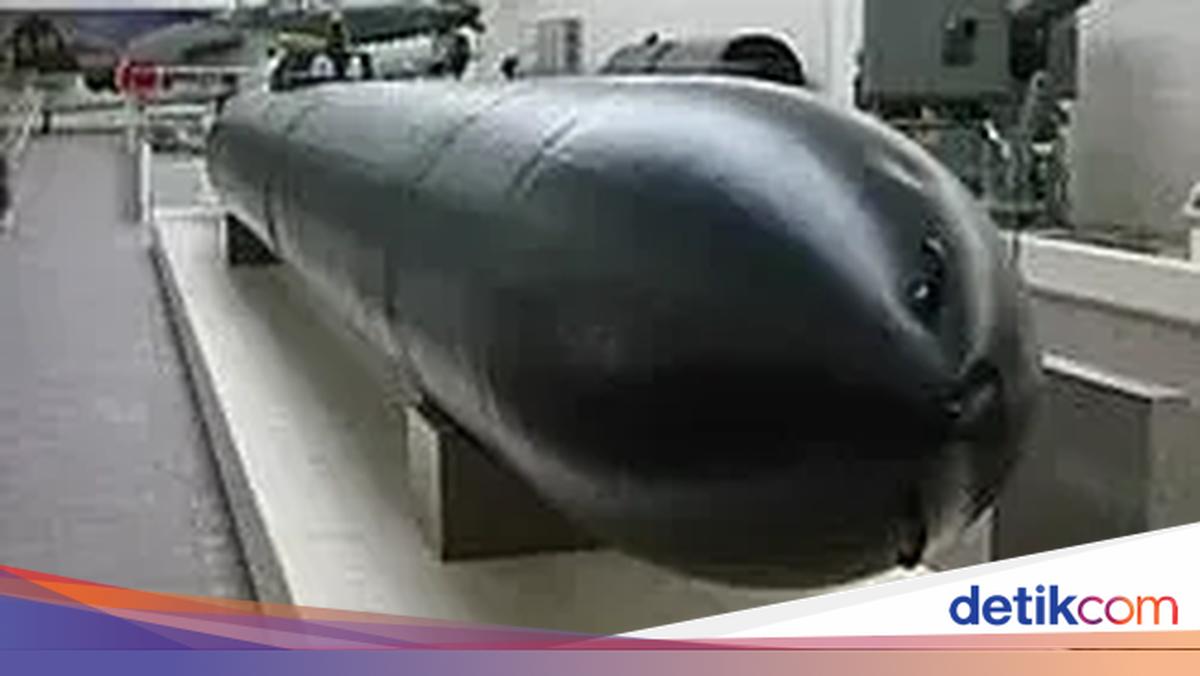
Japan’s Type 93 Sanso Gyorai torpedo played a major role during the Second World War. Its capabilities were so remarkable that the United States initially found them hard to believe.
According to the Naval History and Heritage Command, the weapon was designed as Japan’s principal asymmetric means of weakening the US Navy fleet before a naval battle.
Development of the oxygen-powered torpedo began in the early 1920s. It entered service in 1935, after engineers overcame various technical obstacles and the risk of explosions.
The torpedo had a diameter of 24 inches (about 61 centimetres) and carried a 1,080-pound (about 490-kilogram) warhead. It could travel up to 22 nautical miles at 35 knots, or 12 nautical miles at 50 knots — far beyond the US torpedoes of the time, which were generally used at ranges of less than five nautical miles.
It used compressed pure oxygen as an oxidiser. This allowed it to travel at high speed over long distances while leaving almost no tell-tale trail of air bubbles on the surface.
Its stealth also made life difficult for Allied ships: they could be struck by a powerful explosion before they knew the torpedo was approaching.
The torpedo nevertheless had a weakness. The use of compressed pure oxygen made it highly sensitive, and if its carrying ship was hit by enemy fire, it could trigger a fatal secondary explosion.
A capability the US could not believe
The torpedo proved deadly in the early stages of the Second World War, notably in the Battle of the Java Sea, where it sank the Dutch cruisers De Ruyter and Java; the Battle of Sunda Strait, where it sank Houston and HMAS Perth; and the Battle of Savo Island, where it sank Quincy, Vincennes and Astoria. It was also responsible for the loss of Northampton at Tassafaronga, Helena at Kula Gulf, HMS Exeter, and at least 11 other Allied destroyers.
The US had initially struggled to believe what the torpedo could do. American forces only fully understood the Type 93’s true capabilities and specifications after recovering an intact torpedo following the Guadalcanal campaign in 1943.