
The Important Function of NIK Can Verify the Legitimate Owner of Identity
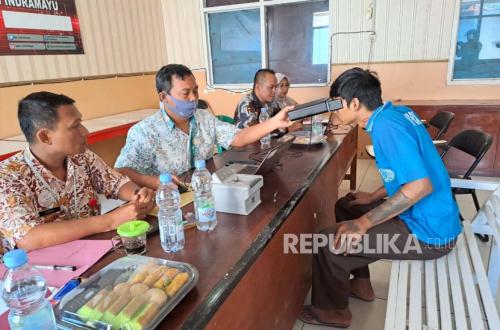
When someone receives social assistance, withdraws their Old Age Security, or opens a bank account, the authorities will ensure the legitimate owner of the identity being used. How is this verified? It all begins with a single string of numbers on the electronic ID card. That is the National Identity Number (NIK) attached to every citizen.
In a press release in Jakarta on Thursday (27/8/2026), the Director of National Population Data Integration at the Ministry of Home Affairs, Handayani Ningrum, explained that the NIK cannot work alone. The NIK requires a bridge so that it can leave the Dukcapil database and be genuinely used by ministries, agencies, and local governments in serving their citizens.
“That connector is built and maintained by the Directorate of National Population Data Integration, a work unit that may rarely be mentioned in everyday conversation, but whose role determines whether the population data that has been neatly organised and cleaned truly reaches and benefits those who need it,” said Handayani on the occasion of Indonesia’s 81st Independence Day on 17 August 2026.
According to her, the NIK serves as the entry point, Dukcapil data serves as the foundation, and ministries or agencies use that data according to their respective service needs. Without that chain, Handayani said, the data that has been consolidated and cleaned by other directorates within Dukcapil would only be stored neatly within the system, without ever truly touching the lives of citizens.
After 81 years, Handayani noted, the way the state ensures its assistance reaches the right people has also changed. Previously, verification of aid recipients often relied on manual data that was easily outdated and erroneous, as well as prone to overlap between programmes. “Now, with the NIK as a single identity, such errors can be greatly minimised,” she said.