
The Importance of Trust and Tax Audits in the Coretax Era
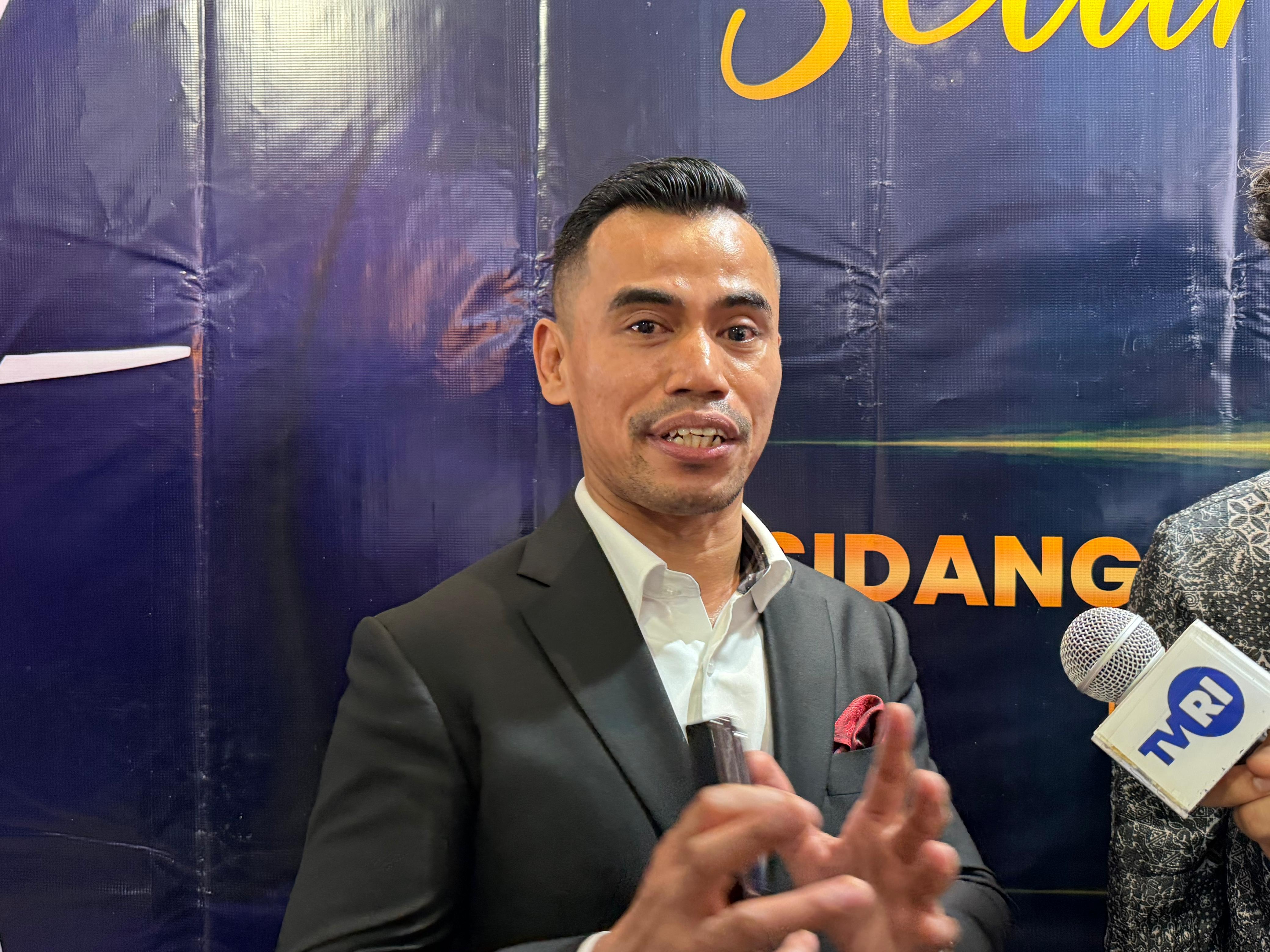
Implementation of the Coretax system, which started on 1 January 2025, marks a new chapter in the digitalisation of taxation in Indonesia. The system is expected to improve taxpayer compliance through more integrated and digital-based tax services. However, digitalisation is considered insufficient to increase taxpayer compliance if not accompanied by trust in the Directorate General of Taxes (DJP) and by effective and objective tax audits. This view was expressed by Sabar Pardamean L. Tobing during an open session for the Doctoral programme in Economics, concentration in Accounting, at the Faculty of Economics and Business, Universitas Trisakti.
“What technology needs is to be supported by taxpayer trust, the authority of tax authorities that is legitimate and fair, and effective tax audits. Therefore, this dissertation attempts to unite aspects of technology, psychology, institutions, and law enforcement in a single research model,” said Sabar in the Auditorium Room, FEB, Trisakti University Campus, Jakarta, Thursday (21/5).
In the session, Sabar defended his dissertation titled “The Influence of Digital Tax Administration, Taxpayer Trust, and Tax Authority Authority on Taxpayer Compliance with Audit Effectiveness as a Moderating Factor.”
Sabar revealed that the topic was chosen because Indonesia is currently in a phase of modernising the taxation administration system through Coretax.
In his research, he found that the most fundamental challenge in increasing taxpayer compliance in Indonesia is not merely introducing a digital system, but building a compliance ecosystem trusted by the public. He argued that compliance cannot be built solely on fear of sanctions or audits.
“Digitalisation can simplify administration, but if taxpayers do not trust the system or feel that the tax authority is not sufficiently fair and consistent, then compliance may not rise optimally,” he said.
From his findings, digital tax administration is the biggest factor influencing taxpayer compliance with a coefficient of 0.381. That figure is higher than the influence of tax authority authority at 0.279 and taxpayer trust at 0.247.
“In other words, the quality of the digital tax system is the main gateway to compliance. However, tax digitalisation should not be interpreted as merely the use of an application. The system must be user-friendly, secure, integrated, provide certainty, and help taxpayers fulfil their rights and obligations more efficiently,” explained Sabar.
The study also found that the effectiveness of tax audits strengthens the relationship between digital tax administration, taxpayer trust, and tax authority authority on taxpayer compliance.
“Effective tax audits are not only about finding taxpayers’ errors, but also ensuring that the tax system operates correctly and objectively,” he emphasised.
He also revealed an interesting finding in his research. In the expansion test of the dimension of digital tax administration, the dimension of technology alone did not prove to significantly influence taxpayer compliance. Instead, regulatory context, stakeholders, cybersecurity and risk management, and the implementation of tax rights and obligations became the strongest dimensions.
“This serves as an important message that the success of tax digitalisation is not enough just to build a sophisticated technological system. The biggest challenge ahead is to ensure the tax system operates inclusively, securely, and trusted by the public,” said Sabar.
Sabar emphasised that the future of Indonesian taxation must be built through a combination of digitalisation, trust, legitimate authority, and effective tax audits. He hopes his research can provide input to the DJP in strengthening data-driven compliance strategies and risk-based approaches.
For taxpayers, a more transparent and integrated system is expected to provide legal certainty while facilitating the exercise of tax rights and obligations.
“Taxpayers need to feel that the state is present not only as an inspector but also as a partner providing a system that is transparent, accountable, and trustworthy,” he concluded. (E-4)
Purbaya said that today his directorate continues to trace companies suspected of evading tax obligations to the state.
Source: jawawa.id (https://jawawa.id/newsitem/the-importance-of-trust-and-tax-audits-in-the-coretax-era-1779542683)
Originally published by Media Indonesia (https://mediaindonesia.com/ekonomi/892448/pentingnya-kepercayaan-dan-pemeriksaan-pajak-di-era-coretax), translated from Indonesian