
The Importance of Palliative and Holistic Care for Late-Stage Cancer Patients
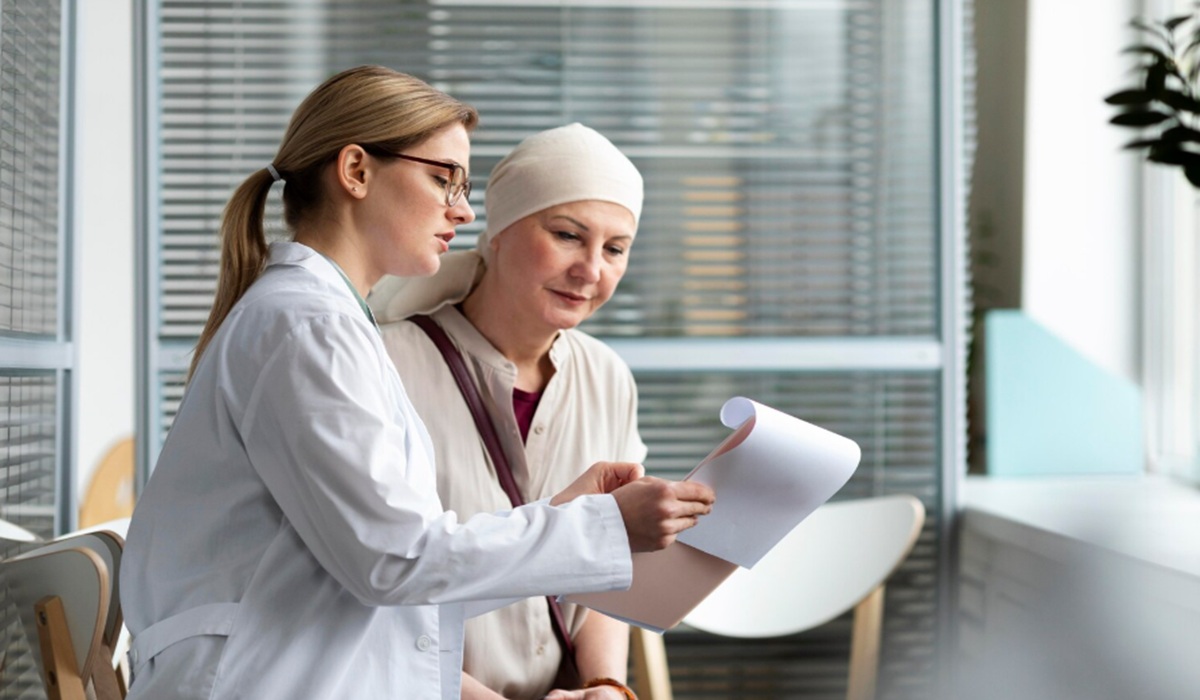
Care for late-stage cancer patients is no longer solely reliant on physical medical interventions. Amidst the complexity of modern therapies, a holistic approach encompassing emotional, psychological, and spiritual support for patients and families is crucial for maintaining quality of life, especially when curative treatments no longer yield optimal responses. The urgency of palliative care was a key focus at the Oncology Nursing session during The 6th Siloam Oncology Summit 2026, organised by MRCCC Siloam Semanggi in Jakarta from 22-24 May 2026. Experts stressed that when cure is unattainable, the priority must shift to patient comfort and dignity as whole human beings. “Pain must be managed holistically. Non-physical factors such as psychological and spiritual conditions greatly influence a patient’s pain perception. If not properly addressed, this can trigger anxiety or severe depression,” said Dr. Riri Maria, Head of the Medical-Surgical Nursing Department at the University of Indonesia. Prof. Dr. Christantie Effendy from Gadjah Mada University shared findings comparing cancer care in Indonesia and the Netherlands. While pain levels remain similarly high (over 70%) in both countries, Indonesian patients benefit from family support. “In Indonesia, families provide round-the-clock companionship. This is an immense spiritual and psychosocial support,” she explained. However, she highlighted challenges such as resistance to morphine use due to fears of addiction, despite its necessity for managing severe pain in late stages. Beyond palliative care, specialised hospice services for end-of-life care are urgently needed. Palliative care researcher Theresia Oktariana Sitorus noted that although palliative regulations are included in the 2023 Health Law, implementation remains uneven. Families often feel healthcare professionals focus too much on aggressive life-prolonging measures rather than honest communication and emotional support. “The essence of hospice is treating patients as whole individuals during their remaining time,” she stressed. MRCCC Siloam Semanggi’s Executive Director, Dr. Edy Gunawan, stated that modern precision oncology must balance cutting-edge diagnostic technology with personalised care. Caroline Riady, CEO of Siloam International Hospitals, added that healthcare professionals’ competence is key. Through international collaborations with institutions like UT MD Anderson Cancer Center, Siloam is committed to strengthening research and integrating national cancer services. Through multidisciplinary synergy, Indonesia’s cancer services are expected not only to pursue survival rates but also ensure each patient receives comfort and comprehensive support throughout their journey.