
The Importance of Inspecting Electric and Hybrid Vehicles After Eid Travel
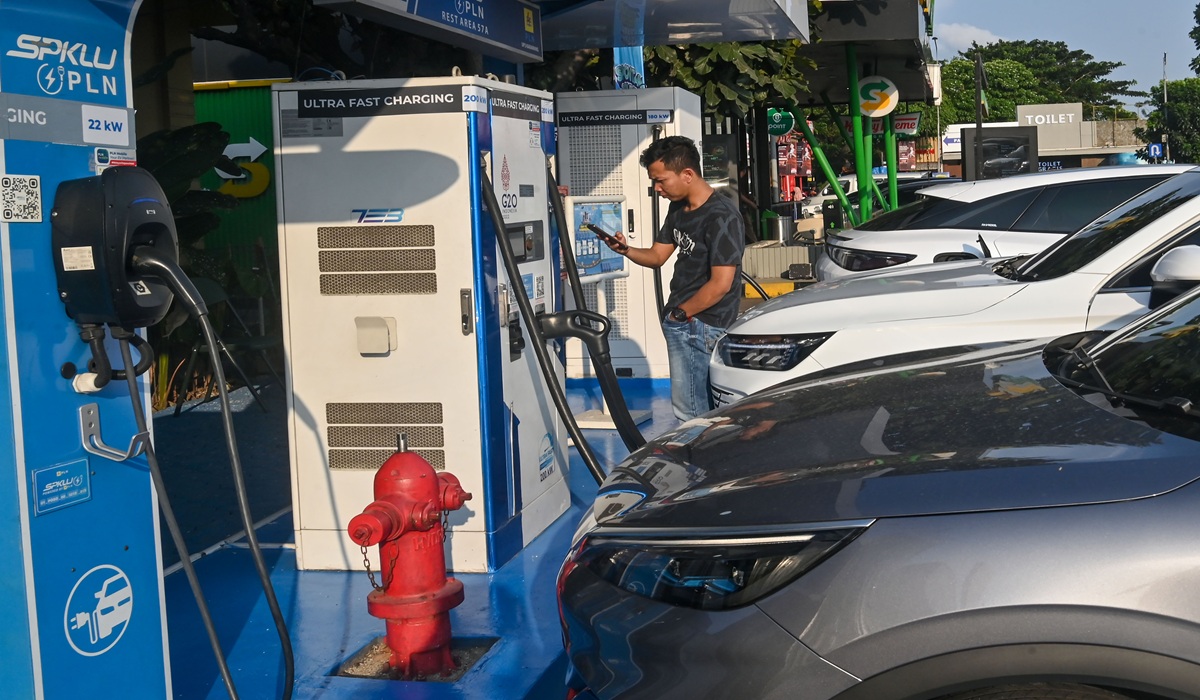
The Indonesian tradition of mudik, involving journeys of hundreds of kilometres, places extra strain on vehicles. This is not only true for conventional cars but also for electric vehicles (EV) and hybrids, which require special attention after long-distance travel.
An automotive expert from Institut Teknologi Bandung (ITB), Yannes Martinus Pasaribu, reminds owners of electrified vehicles to promptly inspect several vital components to maintain performance and safety.
For owners of hybrid cars such as HEV and PHEV, basic checks on tyres, brakes, and suspension remain essential. However, the electrical systems and batteries need additional attention.
“On hybrid cars like HEV (Hybrid Electric Vehicle) and PHEV (Plug-in Hybrid Electric Vehicle), all conventional car checks still apply, from tyres and brakes to suspension, but extra attention is needed for the electrical systems and batteries,” said Yannes, quoted on Monday (30/3).
He advises owners to check the condition of the 12V battery and perform a scan if warning indicators appear on the instrument panel.
Additionally, the battery cooling system, including fans and air circulation paths inside the cabin, must be ensured to be clean. Dust carried during the mudik journey could potentially hinder the cooling performance.
Specifically for PHEV models, Yannes added, “For PHEV, also ensure the charging port and cable are clean and safe.”
For pure electric cars or BEV, the main focus of inspection is on the underbody. The large battery weight makes the car more sensitive to additional loads, so ground clearance risks decreasing and becoming vulnerable to impacts.
“Underbody inspection (vehicle underside) is very important to ensure there is no damage,” said Yannes.
Intensive use of fast charging features during mudik also necessitates checks on the battery cooling system.
Moreover, the condition of tyres on BEV needs more detailed attention because they tend to wear out faster due to supporting the heavier vehicle weight compared to conventional cars.
Finally, the braking system on electric cars must still be monitored. The regenerative braking characteristic often means mechanical brakes are rarely used, so there is a risk of rust or seizing if not checked regularly after long journeys.