
The Importance of Having Fire Extinguishers at Home for Fire Mitigation and How to Maintain Them
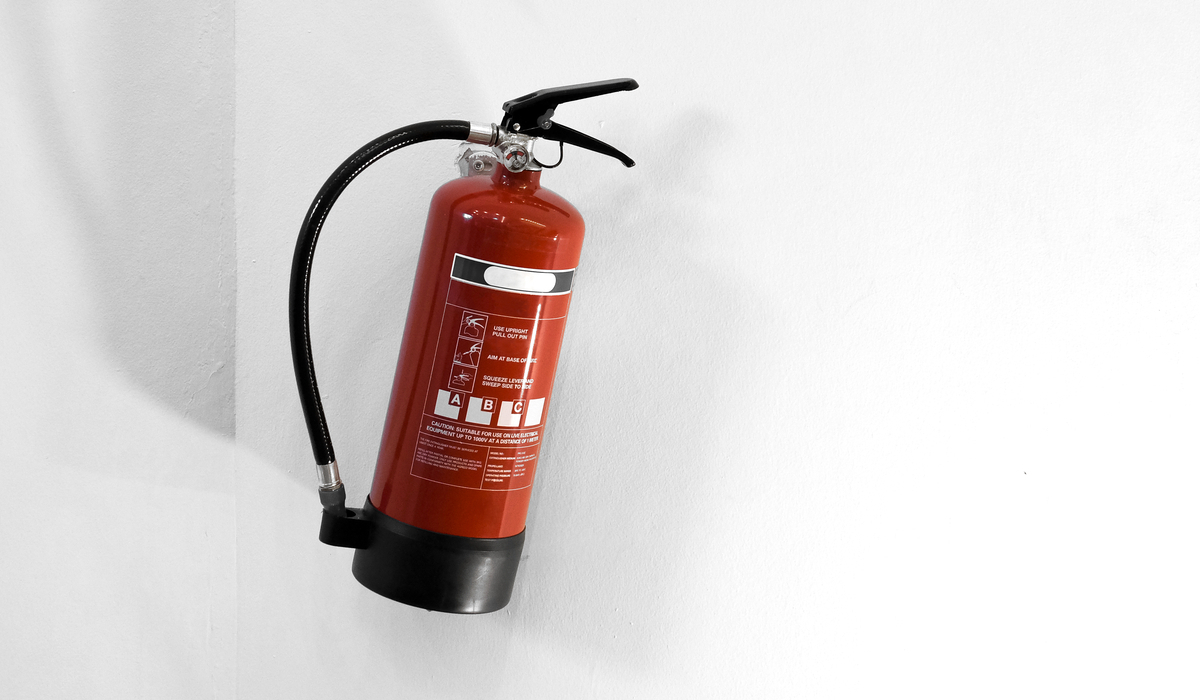
Fire is one of the most destructive domestic risks. Within minutes, a small flame can transform into a massive blaze that threatens lives and property. One of the most effective first lines of defence for fire mitigation is the Portable Fire Extinguente (APAR). However, many homeowners do not yet understand that APAR has a specific validity period and requires routine maintenance to remain fully functional when needed.
The validity or expiration period of an APAR depends heavily on the type of extinguishing media contained within. Generally, Indonesian regulations (such as Permenaker No. 4 of 1980) regulate periodic inspections, but technically, the estimated validity of APAR media is as follows:
[Note: Specific media durations were omitted in the source text, but the principle remains that media must be monitored].
Even if the media has not expired, an APAR must be refilled immediately after use, even if only a small amount was discharged. Additionally, if the manometer needle indicates the red zone (pressure drop), the APAR must be serviced immediately.
Having an APAR at home is not merely an aesthetic addition or a safety requirement, but a crucial safety investment for the following reasons:
For household use, the Dry Chemical Powder type in 2kg or 3kg sizes is highly recommended because it is multifunctional (capable of extinguishing Class A, B, and C fires, such as wood, paper, oil, and electrical short circuits).
- Where is the best location to place an APAR in the house?
Place it in an area that is clearly visible and easily accessible, such as near the kitchen, living room, or near an exit. Avoid storing the APAR in a hidden place inside a locked cupboard.
- Can an expired APAR still be used?
It might be possible, but its effectiveness is highly questionable. The powder may have clumped, or the propellant gas pressure may have dissipated, preventing the media from being discharged when the lever is pressed.
- How can one tell if an APAR has expired?
Check the service sticker or the label on the cylinder, which lists the last refill date and the expiration date.
- Can an APAR explode if exposed to heat?
APAR cylinders are designed to withstand high pressure; however, continuous exposure to direct sunlight or placement too close to extreme heat sources (such as a stove) should be avoided.
- Is special training required to use an APAR?
It is highly recommended to understand the PASS technique: Pull the pin, Aim at the source of the fire, Squeeze the lever, and Sweep across the area.
- What is the average cost of refilling an APAR?
Refilling costs vary depending on the type of media and cylinder capacity, but they are generally very affordable compared to the protection benefits provided.