
The Importance of Halal Certification in Meeting the Needs of Muslim Lifestyles in Indonesia
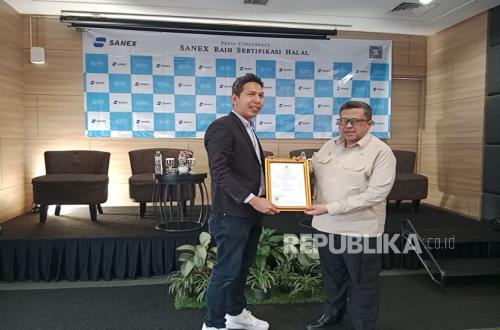
In the midst of growing public awareness of halal products, Indo Surya Kencana, long-time producer of Sanex brand home appliances, has officially obtained halal certification for 60 of its products from the Halal Product Assurance Organising Body (BPJPH). This step forms part of Sanex’s commitment to delivering products that are not only high-quality but also provide a sense of safety and comfort for consumers, particularly in Indonesia, which has the world’s largest Muslim population. According to data from the Ministry of Home Affairs, the number of Muslims in Indonesia reaches more than 240 million people, or about 87% of the total population. The halal lifestyle trend is also continuously developing, not only in the food and beverage sector but extending to various product categories, including household appliances. “Achieving this halal certification represents our commitment to ensuring that the entire production process meets the established standards. We want to provide peace of mind for consumers in using Sanex products in their daily lives,” said Randhika Curana, Head of Marketing at PT Indo Surya Kencana (Sanex). From the regulator’s perspective, the Halal Product Assurance Organising Body (BPJPH) emphasises that halal certification is an important part in providing protection and assurance for the public. “Sanex is one of the pioneers in the home appliances category as a company that cares about BPJPH halal certification, and also with the highest number to date, namely 60 products. This demonstrates the strong commitment of industry players in meeting halal standards and increasing consumer trust because the government through BPJPH continues to encourage businesses to undergo halal certification as a form of guarantee for the halal status of products circulating in society, while also enhancing the competitiveness of national products,” said a BPJPH representative. Meanwhile, from the audit process side, the halal audit team stated that the certification obtained by Sanex has gone through strict verification stages, from raw materials to the production process. “All audit stages were conducted thoroughly, including tracing materials, the production process, and the halal assurance system implemented by the company. Sanex products that have been certified are ensured to meet halal standards in accordance with applicable regulations,” said Tati Maryati, chair of the Halal Verification Institution (LPH) that conducted the audit process. The obtained halal certification covers various flagship Sanex product categories, from dispensers, stoves, electric kettles, blenders, and other products used in daily community activities. Not only addressing domestic market needs, this step also serves as Sanex’s strategy to strengthen competitiveness amid the continuous growth of the global halal industry. According to the State of the Global Islamic Economy report, the value of the global halal economy is estimated to continue growing in the coming years, opening up significant opportunities for industry players to innovate and expand markets. Sanex assesses that consumer trust is a key factor in purchasing decisions, so halal certification becomes an important element in building brand credibility in the Indonesian market. Looking ahead, Sanex plans to continue expanding the number of halal-certified products as well as improving quality and innovation to meet increasingly dynamic consumer needs.