
The Importance of Early Myopia Detection in Children Under Seven
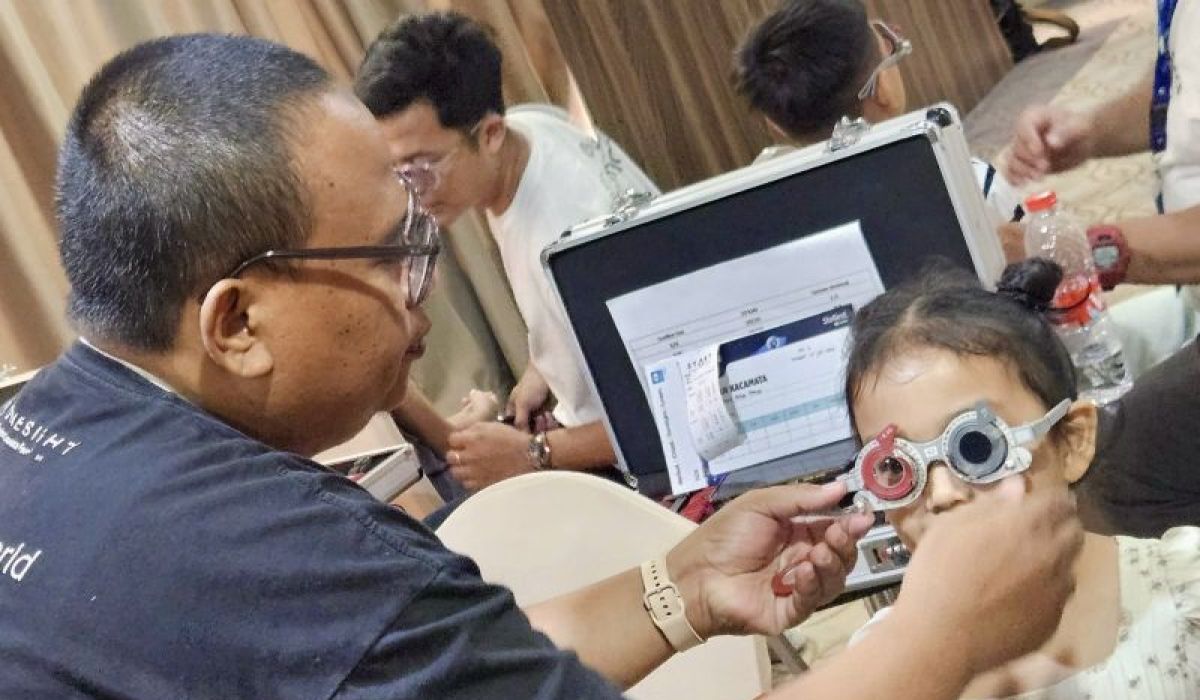
Paediatric ophthalmologist Dr. Indah Saraswati has emphasised the importance of early detection of myopia, or short-sightedness, especially in children under the age of seven. This step is crucial for monitoring the long-term development of a child’s eye health. “If before the age of seven they already have a minus prescription, even a small one, we must be alert, because their journey is still long,” Dr. Indah said at the Healthy Vision Day event organised by EssilorLuxottica Indonesia in Jakarta on Tuesday (21/7/2026). She explained that the main target of medical treatment is to slow or stop the elongation of the eyeball before the child reaches 18 years of age. Myopia treatment is no longer just about providing glasses so the child can see clearly, but also focuses on controlling the progression of the minus prescription. Naturally, the human eyeball will continue to elongate until around the age of 18. However, this process can occur more rapidly in children with certain risk factors, such as a parental history of wearing glasses or habits of viewing near-distance objects for long durations. Uncontrolled eyeball elongation will increase the degree of myopia. The higher the degree of the minus prescription, the greater the risk of serious complications in the future. “If the eyeball gets longer, the optic nerve will become thinner, and retinal tears can occur, which in certain conditions can cause vision loss,” said Dr. Indah. Besides retinal tears, other lurking complications include thinning of the retina (maculopathy), glaucoma, and cataracts at a younger age. Given that children often do not realise or complain about the vision problems they experience, Dr. Indah urged parents to be more sensitive to their child’s behaviour. Some signs to watch out for include frequently squinting, sitting too close to the television, or holding books very close to the eyes. If parents find these signs, it is recommended to immediately have a professional eye examination. According to Dr. Indah, early detection provides a greater opportunity to slow the rate of myopia until the child’s growth period ends.