
The Importance of Early Detection of Brain Tumours: Symptoms and Treatment Steps
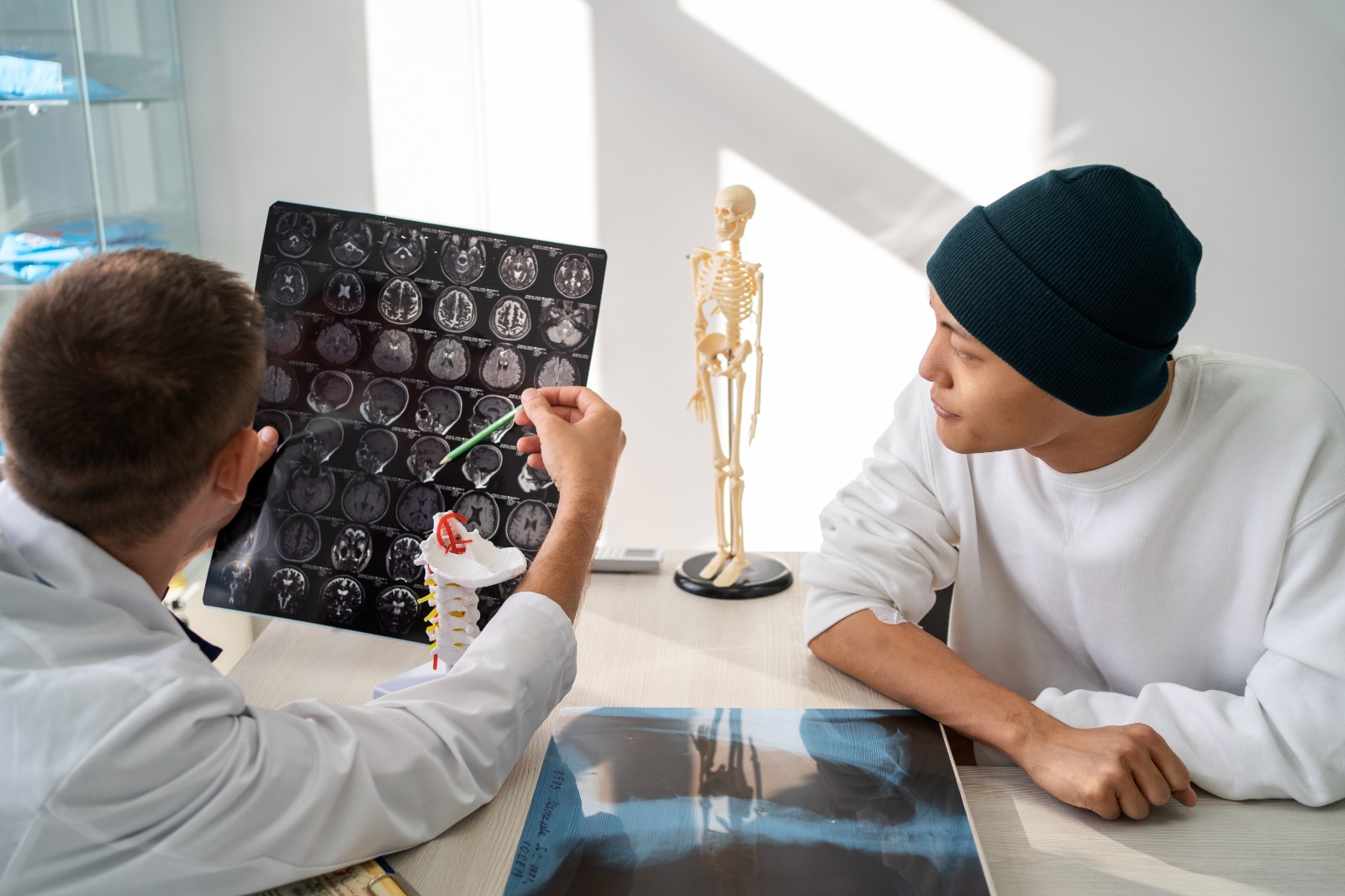
Early detection is one of the most important factors in improving the chances of successful brain tumour treatment. The disease can be benign or malignant, but both types remain a risk to brain function if not treated promptly.
The World Health Organization (WHO) affirms that diagnosing cancer at an early stage allows patients to receive treatment more quickly, thereby increasing the chances of recovery, reducing the risk of complications and keeping care costs more efficient.
For this reason, the public is urged not to ignore symptoms pointing to a brain disorder and to seek medical attention promptly at a health facility if they experience persistent complaints. To enable faster treatment, here are five important things to know:
Early diagnosis allows patients to receive therapy sooner, so the risk of complications can be reduced and quality of life maintained. Conversely, delayed diagnosis often allows the disease to progress to an advanced stage, resulting in more limited therapy options and higher treatment costs.
According to health data (Alodokter), warning signs to watch for include increasingly frequent or severe headaches, nausea and vomiting without a clear cause, seizures, vision disturbances, difficulty speaking, loss of balance, and weakness on one side of the body. Some patients may also experience behavioural changes, forgetfulness, or difficulty concentrating.
Symptoms alone are not enough to confirm that a person has a brain tumour. Doctors usually perform physical and neurological examinations to assess nerve function. If indications pointing to a tumour are found, the patient will undergo further tests such as a CT scan or MRI to determine the tumour’s location and size. In certain cases, a biopsy is also performed to identify the type of tumour so that the chosen therapy is more precisely targeted.
Not all brain tumour patients receive the same treatment. The choice of therapy depends on the type, size and location of the tumour, as well as the patient’s overall health. Treatment may involve surgery to remove the tumour, radiotherapy, chemotherapy, targeted therapy, or a combination of several methods. The earlier a tumour is found, the greater the chance that therapy will deliver optimal results and reduce the risk of permanent damage to brain tissue.
The WHO reminds us that public awareness of early cancer symptoms is an essential part of disease control efforts. If headaches occur continuously, accompanied by seizures, vision disturbances or changes in other bodily functions, consult a doctor immediately. Early examination can help identify the cause of complaints more quickly and provide a greater opportunity for effective treatment.
Source: jawawa.id (https://jawawa.id/newsitem/the-importance-of-early-detection-of-brain-tumours-symptoms-and-treatment-steps-1783781445)
Originally published by Media Indonesia (https://mediaindonesia.com/kesehatan/909927/pentingnya-deteksi-dini-tumor-otak-gejala-dan-langkah-penanganan), translated from Indonesian