
The Importance of Constructing Educational Jihad
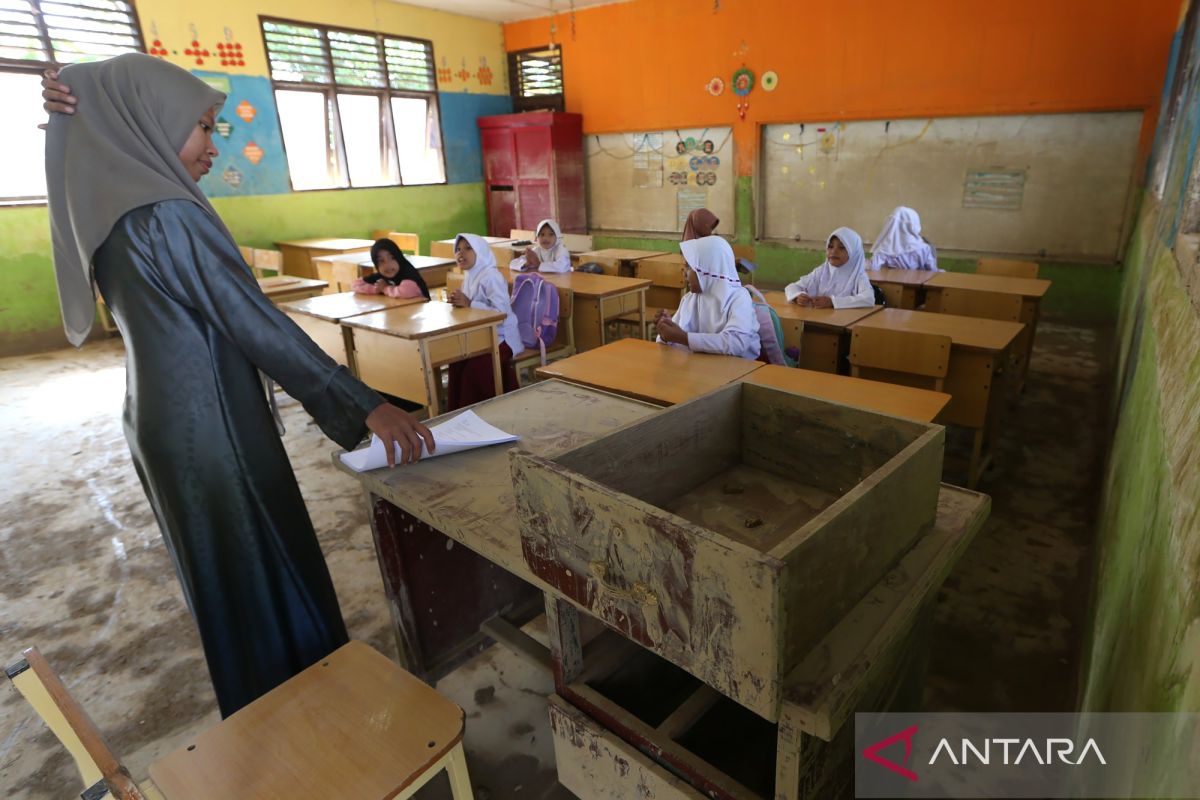
In the digital era, the teaching profession is tested not only by pedagogical competence but also by complex legal risks. We are aware that so many cases of violence affect educators, even though teachers are essentially guardians of values, not mere transmitters. Surabaya (ANTARA) - Coinciding with 2 May, commemorated as National Education Day, we are once again invited to reflect on the still concerning state of the education world. In such conditions, the role of educators—both lecturers and teachers—is now at a crossroads. On one side, there are still educators who firmly hold to idealism as moral guides. However, on the other side, they must face increasingly complex issues: risks of criminal offences up to threats disrupting the comfort of the learning process. Not infrequently, parents report educators on suspicion of violence. In practice, however, the actions in question are often intended as part of the educational process, even though they are in a sensitive area that is difficult to separate from the boundaries of violence itself. At the beginning of 2026, educators can breathe a little easier. Two government policies have been born through the Minister of Education, Culture, Research, and Technology to encourage the creation of a safe and comfortable school climate on one side, and on the other, how to protect educators from the scorching heat and embers of the law. Permendikdasmen No. 4 of 2026 (established January 2026) aims to provide stronger legal, professional, and occupational safety and health (K3) protection for teachers and educational personnel. The regulation covers legal assistance for violence, intimidation, or unfair treatment while on duty, in addition to guaranteeing protection from the investigation stage. The key points of this regulation include several main aspects. First, legal protection aimed at protecting teachers from acts of violence, threats, discrimination, and intimidation from students, parents, or external parties. Second, in the legal accompaniment process, educators and educational personnel are entitled to legal accompaniment from the investigation/inquiry stage to the court. Third, the importance of prioritising the presumption of innocence principle. Educators and educational personnel cannot be declared guilty before there is a final court decision. Regions and professional organisations are required to form task forces for the protection of educators and educational personnel (PTK) in implementing legal execution and advocacy. The presence of this regulation also revokes Permendikbud No. 10 of 2017, adjusted to the needs of current social dynamics. Then, Permendikdasmen Number 6 of 2026 on Safe and Comfortable School Culture, officialised in January 2026, serves as the main legal foundation in creating a violence-free and child-friendly educational environment. This is a regulation that emphasises comprehensive protection for students, teachers, and educational personnel from physical violence, sociocultural issues, to cyber crimes. This regulation covers regulations for creating school environments, extracurricular activities, and digital/online media spaces. This is to ensure that school community members receive physical protection, psychological health, digital civility, and fulfilment of the spiritual rights of the school community. The principles that can be applied include: humanistic, participatory, inclusive, non-discriminatory, and upholding the best interests of the child.