
The impact of acne on mental health, from anxiety to depression
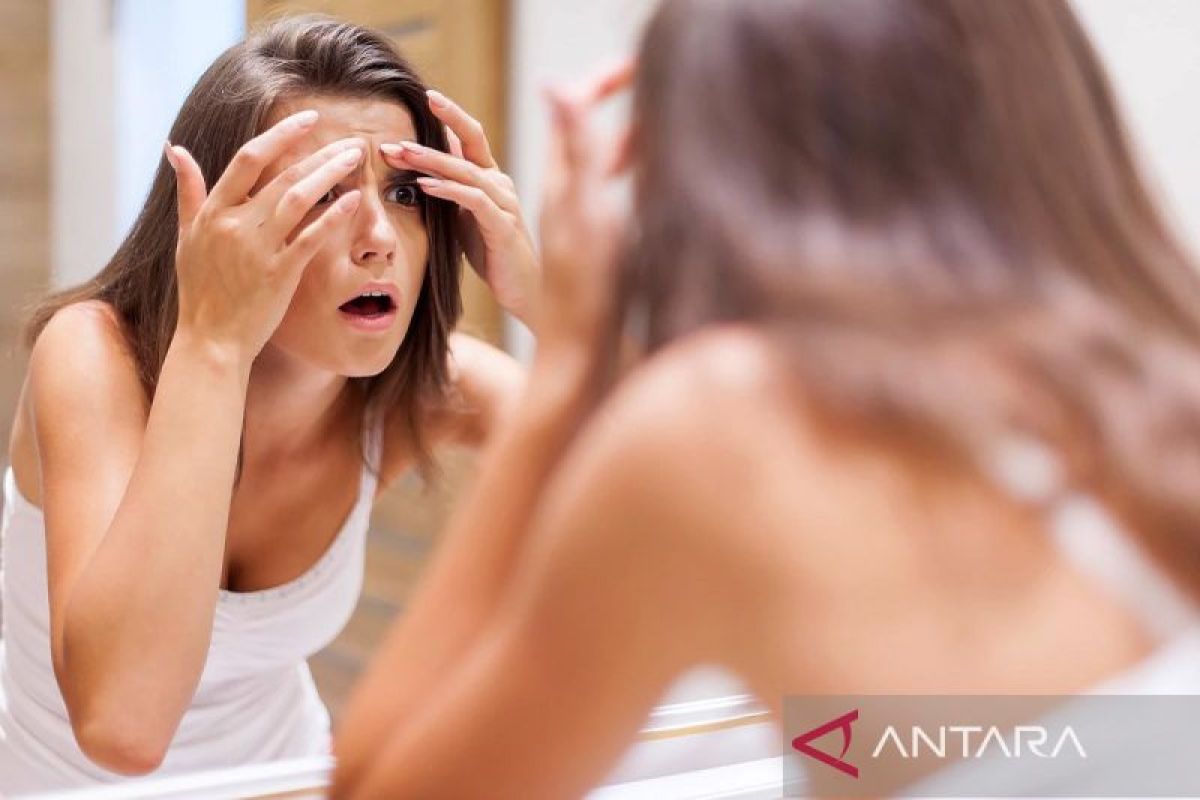
Jakarta (ANTARA) – The face is one of the first things people notice when they meet someone. For some, acne on the face can lower self-confidence.
Being an acne fighter is not easy, especially for those who are frequently bullied by people around them. This can lead to serious psychological problems and cause them to isolate themselves.
Here are some of the effects acne can have on mental health:
Lower self-confidence
Visible acne can make someone feel less confident about their appearance. Vogue reports that research has found that the more severe a skin condition becomes, the less confident a person may feel. The impact is greater for people who rely on their appearance to determine their self-worth.
People with low self-esteem may feel increasingly distressed by acne. They may focus more on perceived flaws in their face and keep thinking about how others see their appearance.
People with severe acne that persists for a long time are more likely to experience depression. Research has found a link between the two: people with acne have been reported to face a two to three times higher risk of depression than those without it.
Signs can include feeling unhappy about one’s appearance, withdrawing from people close to them, changes in sleeping patterns and losing interest in activities they previously enjoyed.
Becoming more withdrawn
Teenagers are vulnerable to bullying related to their skin condition. Such treatment can lower their confidence and lead them to keep to themselves out of embarrassment.
The American Academy of Dermatology (AAD) says people with acne may feel self-conscious. In some cases, this can make teenagers reluctant to take part in activities they are interested in.
They may be afraid to play sports, reluctant to apply for part-time jobs, or lack the confidence to participate in class.
Frustration and anger
Acne that does not improve can leave people feeling upset. This is understandable, particularly when they have tried to care for their skin but have yet to see results.
Frustration can also arise when acne continues to appear despite treatment. Fluctuations in the skin’s condition can be frustrating.
Seeing other people with clear skin and comparing oneself with them can make acne sufferers feel even worse.
Acne can also cause anxiety. Worrying that acne will return or that the skin will suddenly worsen can leave someone feeling unsettled.
Anxiety may intensify when people worry about how others will react to their skin. This can make them nervous when meeting people and lead them to isolate themselves.
How to care for acne-prone skin
Caring for acne-prone skin takes patience. Acne will not disappear overnight without appropriate care.
Citing the Cleveland Clinic, the following steps can be taken at home to manage acne:
Make a habit of washing your face with warm water at least once a day, using a gentle cleanser.
Avoid skincare products containing alcohol, astringents, toners and exfoliants, as they can irritate the skin.
Remove make-up after your activities or before going to bed.
After cleansing, apply an oil-free moisturiser to your face.
Never try to pop pimples, as this can increase the risk of scarring. Let them heal on their own.