
The 'Iceberg' of Logistics and the USD 500 Billion Ambition at the D-8 Halal Expo
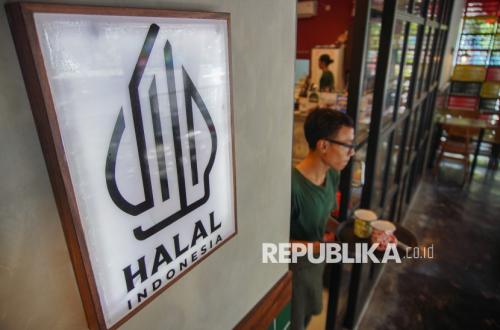
The D-8 Halal Expo Indonesia (HEI) 2026, held in Jakarta, presents a strategic opportunity for Indonesia as it chairs the D-8 Organisation for Economic Cooperation. Featuring business players from eight developing nations—including Malaysia, Turkey, Iran, and Nigeria—the expo carries the ambitious target of boosting intra-bloc trade to USD 500 billion by 2030. However, beneath the surface of business matching sessions and exhibitions lies a series of structural ‘icebergs’ threatening to sink this ambition.
Chief among these is Indonesia’s crippling logistics costs, which stand at 14.29 percent of GDP, significantly higher than the ASEAN average of 8-10 percent and OECD nations at 10-12 percent. For small and medium enterprises (SMEs), the backbone of the halal sector, international shipping costs can often exceed the value of the goods themselves, rendering them uncompetitive before they even reach foreign markets.
Furthermore, while Indonesia aggressively promotes halal certification and Mutual Recognition Agreements (MRA), non-tariff barriers and fragmented cold chain infrastructure remain critical bottlenecks. D-8 Secretary-General Sohail Mahmood acknowledged the expo’s role as a catalyst, but industry observers note that without harmonising regulations and slashing logistics costs, the event may yield little more than ceremonial handshakes.
A third structural irony lies in the downstream processing of natural resources. Indonesia has successfully pushed for the downstreaming of commodities like nickel, with export values soaring from USD 3 billion to USD 34 billion in recent years. However, a study by the National Resilience Institute (Lemhannas) indicates that technology transfer remains suboptimal. The country hosts the smelters but does not yet control the high-value technology, meaning a significant portion of the added value still flows abroad. Without mastering the technology and logistics chain, Indonesia risks remaining a supplier of raw and semi-finished materials rather than a dominant player in the global halal value chain.