
The Horrific Memory of a Cold Lava Disaster That Killed 25,000 People
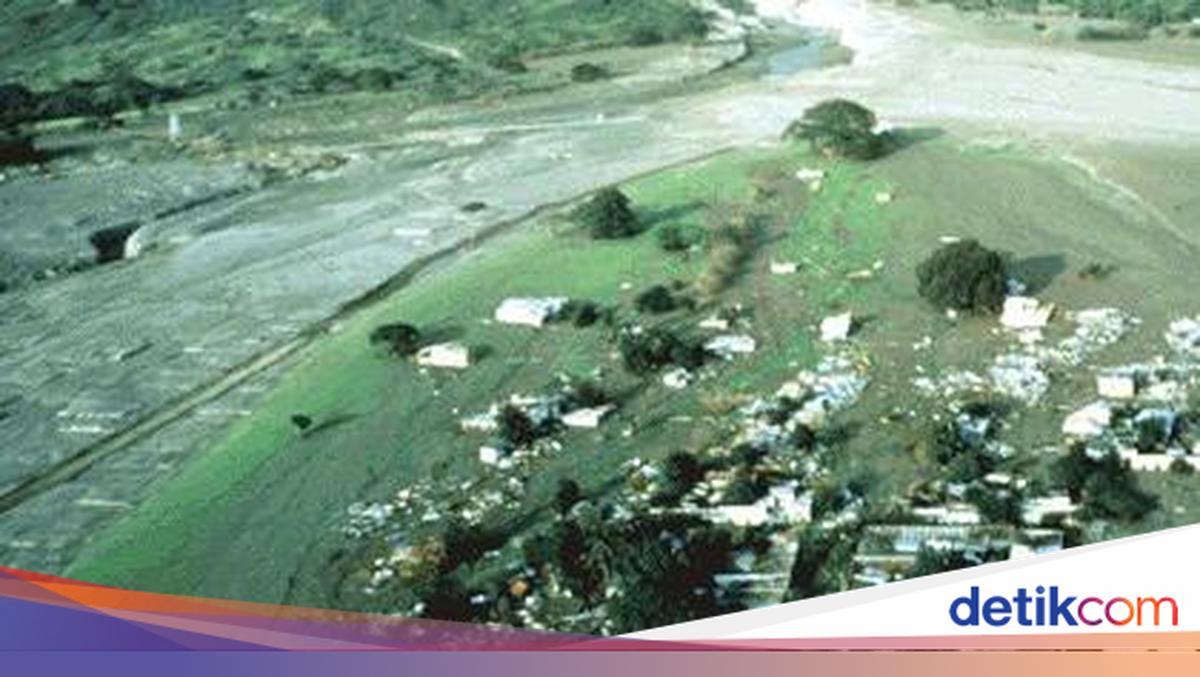
The Armero tragedy was one of the most horrific disasters of the 20th century. The disaster, triggered by the eruption of the Nevado del Ruiz volcano in Colombia, killed 25,000 people.
According to the United States Geological Survey (USGS), Nevado del Ruiz is a stratovolcano type volcano with a height of 5,389 metres above sea level, with its summit covered by glaciers or ice sheets. At that time, Mount Nevado del Ruiz began showing activity about a year before the tragedy occurred. This reactivation was marked by the emergence of a series of earthquakes (earthquake swarm). Steam and gas activity at the summit crater also began to appear.
On 11 September 1985, a small explosive eruption occurred. After this minor eruption and the easing of the political situation, officials began meeting with scientists to discuss potential hazards and evacuation plans. Unfortunately, most of the Armero town area remained neglected. The disaster then struck. On the night of 13 November, most of Armero’s residents were fast asleep. The Mayor and the local priest had reassured residents that they were safe for the night. However, this eruption went unnoticed by the residents of Armero because it was masked by a rainstorm that was occurring that night.
Lahars flowed swiftly north and east through the deep river valleys at the foot of the mountain. The lahar flood reached the town of Armero about two hours after the eruption occurred. Within minutes, the town of Armero was devastated by the lahar flood. Approximately 23,000 people, nearly the entire population of the town, died instantly. The victims were buried in a mixture of mud and building debris. Overall, this disaster killed more than 25,000 people.
This disaster became a lesson about the importance of communication for disaster mitigation. This occurred because at the time the Colombian government was distracted by a guerrilla war issue in Bogota, so the situation of political instability was considered more urgent than the volcanic activity. Furthermore, Colombian scientists were lacking equipment, expertise, and government support to monitor the volcano’s activity. Ultimately, they could not convey information effectively.