
The History of Safa and Marwah: Two Hills in Hajj and Umrah
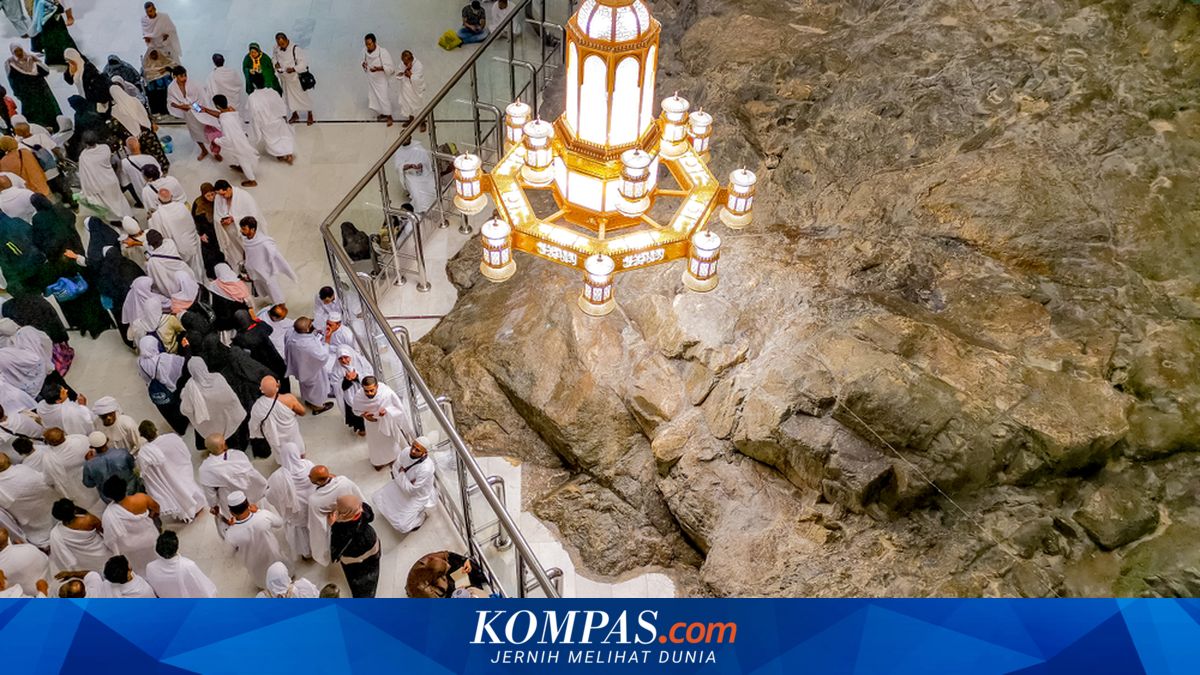
One of the pillars of Hajj and Umrah is sa’i, performed after tawaf – circling the Kaaba. According to the Hajj Financial Management Agency (BPKH), sa’i involves walking or running seven times between the hills of Safa and Marwah.
Safa and Marwah are sacred and historical sites for Muslims, closely linked to the story of Prophet Ismail, son of Prophet Ibrahim, his mother Hajar, and the emergence of the Zamzam well.
The sa’i ritual is deeply connected to the story of Hajar and her son Ismail. As reported by the Hajj Financial Management Agency, the story begins when Prophet Ibrahim had to leave Hajar, who had just given birth to Ismail.
Hajar ran between Safa and Marwah seven times in search of water but found none. At that moment, she noticed water emerging from the ground beneath Ismail’s feet. She quickly gathered the water, saying ‘zamzam’ in Arabic, meaning ‘to gather’. This spring is the Zamzam well, which has never run dry for 4,000 years.
Source: jawawa.id (https://jawawa.id/newsitem/the-history-of-safa-and-marwah-two-hills-in-hajj-and-umrah-1779894633)
Originally published by Kompas (https://travel.kompas.com/read/2022/06/28/074940627/sejarah-shafa-dan-marwah-dua-bukit-dalam-ibadah-haji-dan-umrah?utm_source=ABC&utm_medium=rss), translated from Indonesian