
The History of Reformasi Day, 21 May 1998: The Beginning of the End of the New Order in Indonesia
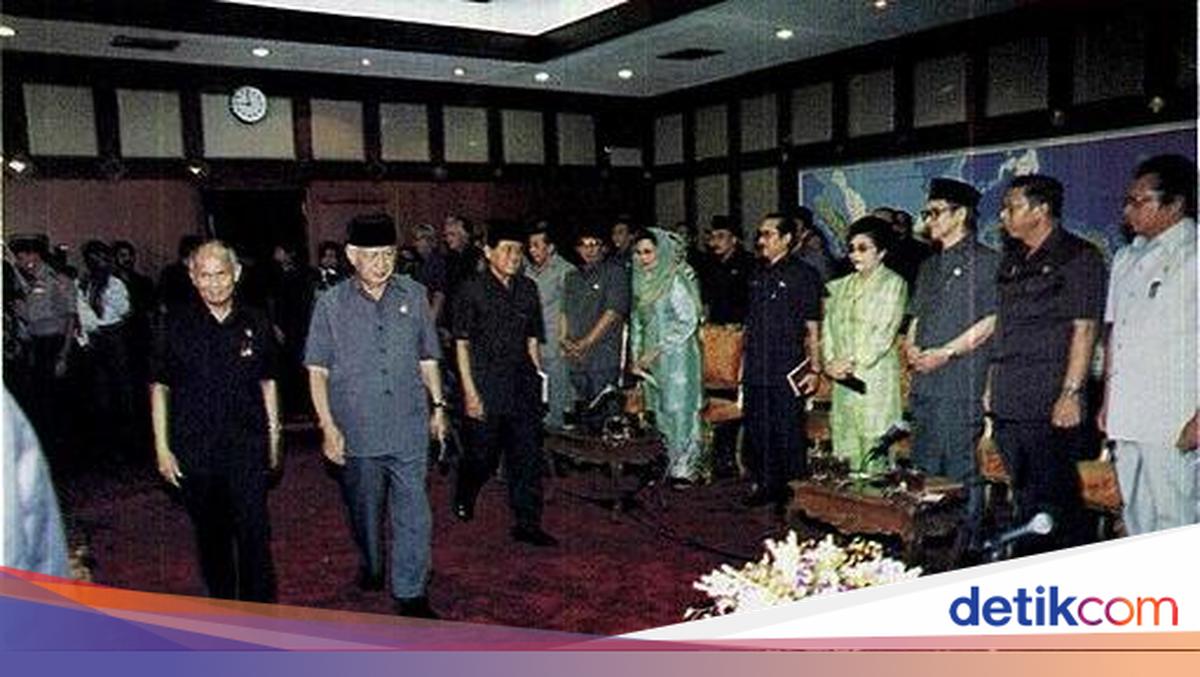
Every May, the public recalls a collective wound that occurred nearly three decades ago. Exactly 21 May 1998 became a historic date for the Indonesian nation. The New Order regime led by President Suharto was approaching its twilight. The national leadership would soon pass to President Habibie. From that moment, Indonesia began the Reformasi era. By 2026, Reformasi had entered its 28th year, with numerous reforms addressing issues from the New Order continuing to be implemented.
What is the history of the 1998 Reformasi? Read on for a comprehensive summary drawn from various sources.
Re-election of Suharto to the Presidency
From the start of the year, economic conditions were turbulent enough to shake various sectors. Numerous protests directed at President Suharto’s government. Although elderly with a head full of grey hair, Suharto was predicted to remain in the position he had held since 1968. Officially, Suharto remained elected and was sworn in together with Habibie as his partner in governance.
The public, broadly exhausted and losing confidence, began to intensify protests against the Development Cabinet VII. Corruption, Collusion and Nepotism (KKN), suppression of dissent, state violence, and economic decline were the catalysts for the protests at that time. There were several demands laid before the palace. These included:
Try Soeharto and his cronies
Implement amendments to the 1945 Constitution
Abolish the ABRI’s dual-function (Dwifungsi)
Implement broad regional autonomy
Uphold the supremacy of law
Create a government free from KKN
Escalation of Protests in Jakarta
By the fifth month, the government announced a fuel price increase and added momentum to the protests. Student groups were among the most vociferous in pressing the seat of power. Tragically, on 12 May 1998 four students from Trisakti University were killed by live ammunition fired by security forces, and dozens more were hospitalised.
With the death of the Trisakti students, anger among demonstrators on the streets grew. By 19 May 1998, demonstrators had occupied the building of the People’s Consultative Assembly (MPR) in Senayan.
Change of National Leadership
The country’s increasingly unstable situation drew international attention. Several ministers in the cabinet resigned from their posts. Parliament, which had previously appeared solid and supportive, began to show a contrary stance. President Soeharto, abandoned by his aides and pressed to resign by loyalists across sectors, was increasingly cornered. On Thursday 21 May 1998, Soeharto unexpectedly announced his resignation as President of the Republic of Indonesia. Shortly afterwards, Habibie, then Vice President, took the presidential oath before a Chief Justice of the Supreme Court of Indonesia. Soeharto’s resignation marked the end of the New Order era and the start of the transition towards Reformasi. Since then, 21 May has been commemorated as Reformasi Day.
Thus the article on the history of Reformasi Day, 21 May. We hope it is useful!
Source: jawawa.id (https://jawawa.id/newsitem/the-history-of-reformasi-day-21-may-1998-the-beginning-of-the-end-of-the-new-order-in-indonesia-1779542960)
Originally published by detikBali (https://www.detik.com/bali/berita/d-8497146/sejarah-hari-reformasi-21-mei-1998-awal-runtuhnya-orde-baru-di-indonesia), translated from Indonesian