
The History of Pancasila Sanctity Day Commemorated on 1 October
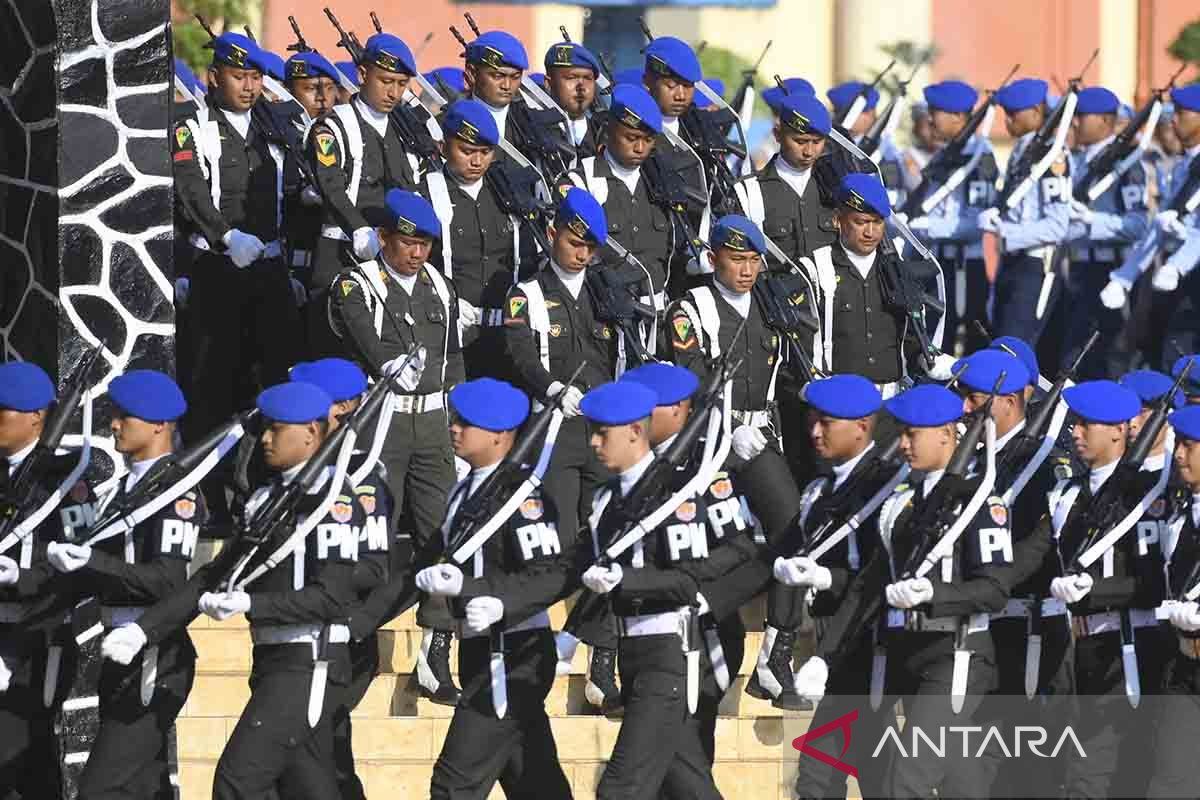
1 October is commemorated annually as Pancasila Sanctity Day. This commemoration is inseparable from the series of political events and violence that occurred from late September to early October 1965, including the kidnapping and murder of several Indonesian Army officers.
Pancasila Sanctity Day is distinct from Pancasila Day, which is observed on 1 June. While Pancasila Day relates to Sukarno’s speech on 1 June 1945 regarding the state foundation, the 1 October commemoration relates to the events of 1965 and the history of designating that date as a national day of remembrance.
The series of events forming the background of Pancasila Sanctity Day took place between 30 September and 1 October 1965. During these events, six Army generals and one junior officer, Pierre Andreas Tendean, were victims of kidnapping and murder.
The six generals who fell victim were Lieutenant General Ahmad Yani, Major General R. Suprapto, Major General M.T. Haryono, Major General S. Parman, Brigadier General D.I. Panjaitan, and Brigadier General Sutoyo Siswomiharjo. They are subsequently known as the Heroes of the Revolution, alongside Pierre Tendean.
The bodies of the victims were later discovered in a well in the Lubang Buaya area, East Jakarta. This location subsequently became a vital part of the Pancasila Sakti Monument, which remains the site for national-level Pancasila Sanctity Day commemorations to this day.
In the official government narrative of that era, the events were referred to as the G30S/PKI betrayal. However, historical studies regarding the 1965 events have evolved, and there is academic debate concerning the actors, background, and the sequence of causes behind the events. Therefore, any mention of responsibility must be placed within the context of the historical sources used.
Initial establishment of 1 October as Pancasila Sanctical Day
Commemorations of Pancasila Sanctity Day began even before its formal establishment via Presidential Decree. On 17 September 1966, the Minister/Commander of the Army issued a decision that served as one of the early foundations for holding the 1 October commemoration.
A year later, the government officially established the date through Presidential Decree Number 153 of 1967 concerning the Designation of 1 October as Pancasila Sanctity Day. The decree was issued in Jakarta on 27 September 1967 and came into effect on the same date.
Presidential Decree Number 153 of 1967 designated 1 October as Pancasila Sanctity Day and mandated that the commemoration be conducted solemnly and orderly by all Indonesian people.
The Lubang Buaya area subsequently became a significant location in the history of Pancasila Sanctity Day commemorations. The Pancasila Sakti Monument was built in this area and inaugurated on 1 October 1973 by President Soeharto.
The Pancasila Sakti Monument complex is located in East Jakarta and is currently registered as a national-level cultural heritage site. The area includes several buildings and locations related to the 1965 events, including the well where the victims’ bodies were found.
Since then, national-level Pancasila Sanctity Day ceremonies have been routinely associated with the Pancasila Sakti Monument area. In recent years, these ceremonies have continued as a state agenda to honour the victims and to reflect upon the nation’s historical journey.
The meaning of Pancasila Sanctity Day commemorations
The commemoration of Pancasila Sanctity Day on 1 October serves as a momentum to remember the historical events of 1965 and the victims who were subsequently designated as Heroes of the Revolution.
As it has developed, the commemoration has also been positioned as a moment to remember the position of Pancasila as the foundation and ideology of the state.
Through various commemorative activities, the government encourages that Pancasila values are not only understood theoretically but also applied in social, national, and state life.
Thus, the history of Pancasila Sanctity Day is not only about why 1 October is commemorated, but also encompasses the journey of establishing the date, the 1965 events, the construction of the Pancasila Sakti Monument, and the tradition of state ceremonies that continue to this day, as cited by BPIP and other sources.
Source: jawawa.id (https://jawawa.id/newsitem/the-history-of-pancasila-sanctity-day-commemorated-on-1-october-1790780891)
Originally published by Antara (Indonesian) (https://www.antaranews.com/berita/5765439/sejarah-hari-kesaktian-pancasila-yang-diperingati-1-oktober), translated from Indonesian