
The History of Cooking Fuel in Indonesia: From Kerosene, LPG-Jargas and CNG
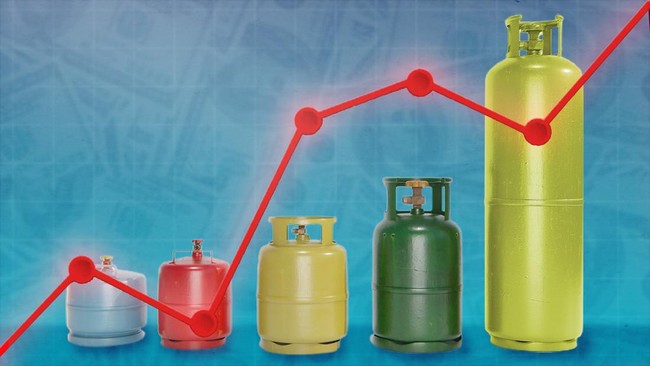
Indonesia’s cooking energy journey continues to evolve in step with the country’s energy conditions. While households once relied on kerosene, the government is now promoting LPG, the domestic gas network (jargas), and compressed natural gas (CNG).
Director General of Oil and Gas (Dirjen Migas) at the Ministry of Energy and Mineral Resources (ESDM), Laode Sulaeman, said that the government’s decision to replace kerosene with LPG had been on the agenda since the early 1990s. ‘So LPG is C3, C4; the liquid phase is such that by 1993 and 1994 we had begun to consider it, although implementation would come after 2000 to replace kerosene with LPG,’ Laode said in a podcast, quoted on Tuesday 19 May 2026.
According to him, kerosene actually originates from high-value petroleum fractions whose quality approaches aviation fuel or avtur. ‘So essentially it contains avtur. So if we use kerosene for cooking it is like frying banana fritters with avtur,’ he said.
When asked whether cooking with kerosene is as costly as using avtur, Laode replied ‘Pretty much so.’
The government subsequently launched a mass kerosene-to-LPG conversion programme in the 2000s. At that time domestic LPG consumption was still relatively small, so it was considered more economical than subsidising kerosene.
However, as time progressed, national LPG consumption continued to rise to around 8.7 million tonnes per year. Meanwhile, a large share of LPG demand remained met by imports.
‘And finally we started thinking of alternative options, and many parts of Indonesia were still not using LPG, still using kerosene up to today,’ Laode said.
As is known, Energy and Mineral Resources Minister Bahlil Lahadalia said the government is examining the development of 3‑kilogram CNG as an alternative to subsidised LPG.
According to Bahlil, this step is being taken to reduce Indonesia’s dependence on LPG imports which burden the country’s foreign exchange.
‘CNG for 3 kilograms is still being tested on the cylinders. The CNG is expected to contribute to substituting our large imports,’ Bahlil said after a swearing‑in ceremony at the Ministry of ESDM on Thursday, 7 May 2026.
Bahlil explained that to meet domestic consumption, LPG imports currently amount to around 8.6 million tonnes per year. This situation requires the government to deploy a substantial amount of foreign exchange each year.
‘Imagine we import 8.6 million tonnes per year for consumption. At the same time, our foreign exchange outlay each year for buying LPG alone is around Rp 130 to Rp 140 trillion. Moreover, if world oil prices are as they are now, it would certainly be higher. And our subsidies are Rp 80 to Rp 87 trillion,’ he said.
Source: jawawa.id (https://jawawa.id/newsitem/the-history-of-cooking-fuel-in-indonesia-from-kerosene-lpg-jargas-and-cng-1779545878)
Originally published by CNBC Indonesia (https://www.cnbcindonesia.com/news/20260519151903-4-735989/sejarah-bahan-bakar-masak-ri-dari-minyak-tanah-lpg-jargas-cng), translated from Indonesian