
The History of Acehnese Muslims' Waqf in the Holy Land
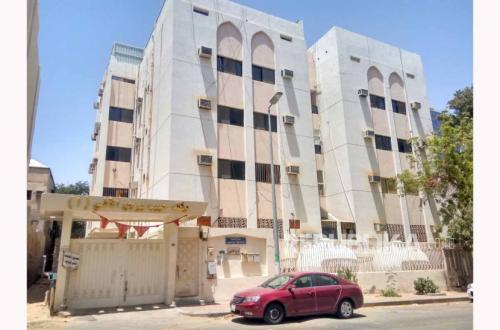
More than two centuries ago, a waqf established by Habib Bugak Asyi has yielded many benefits, with the blessings particularly felt by Indonesian Hajj pilgrims from Aceh, who were the beneficiaries of this charitable endowment. According to the official site of the Indonesian Ministry of Religious Affairs, the waqf began in the 1800s. Habib Bugak Asyi, who was then in Aceh, proposed collecting funds from donors and Muslims of Tanah Rencong, with the aim that the amassed money could be used to purchase land in Mecca and subsequently endow it for the Hajj pilgrims. Not only did he propose, he also spent money from his own pocket. The descendant of the Prophet Muhammad (SAW) then set off for the Holy Land. In the 19th century, Hajj journeys were by sea; the voyage lasted months, sometimes years. Therefore, it was natural that many pilgrims from the archipelago did not return home immediately after the Hajj season. Many stayed in Arabia. The peninsula, including the Haramain area, was under Ottoman rule. Once the Hajj was completed, Habib Bugak Asyi fulfilled the trusteeship entrusted by Aceh’s people— and by himself—who had entrusted money. With that fund, he purchased a plot of land located right beside the Masjid al-Haram. On that land he erected a lodging house called Baitul Asyi to accommodate Acehnese pilgrims. In this way, they no longer had to worry about finding accommodation during their stay in Mecca. This was truly a solution, especially for those who ran out of provisions during the pilgrimage. Meanwhile, in the first half of the 20th century the Arab region underwent changes. The Ottoman Caliphate was shaken and collapsed in the 1920s. After the upheavals, Hijaz and its surroundings came under the Saudi Dynasty. The Saudi government at the time carried out organization and administrative clean-up. Every land, including waqf land, had to have a person responsible for it. Thus the Acehnese donors who had contributed funds for the waqf land agreed that Habib Bugak would be the person in charge of that land. Initially the alim (scholar) refused, out of concern that the utility—or even ownership—of the wakaf land could pass to his family or descendants. He stated firmly that the waqf’s benefits must not shift away from the interests of the Acehnese jamaah. Eventually another round of deliberations occurred. Yet the Acehnese donors still wanted Habib Bugak Asyi to be the land’s custodian. Therefore, the alim agreed to have his name used as the person responsible. As a middle ground, Habib Bugak Asyi declared the waqf pledge that the donors had approved in full. With that written pledge, the waqf’s benefits’ boundaries were clarified and binding—even to this very moment.
Source: jawawa.id (https://jawawa.id/newsitem/the-history-of-acehnese-muslims-waqf-in-the-holy-land-1779542072)
Originally published by Republika (https://khazanah.republika.co.id/berita/tffo07458/sejarah-wakaf-muslim-aceh-di-tanah-suci), translated from Indonesian