
The Hidden Cost of Plastic Waste: Fishermen's Livelihoods and Lives at Risk
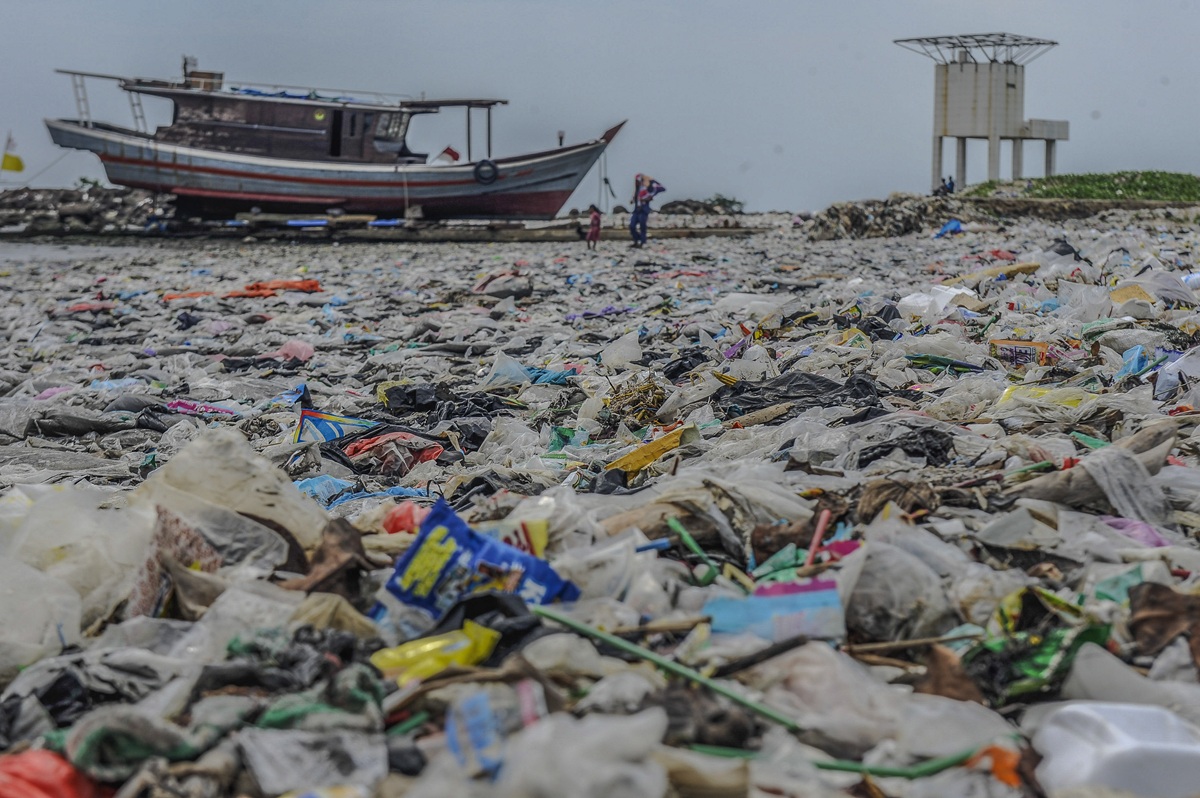
For years, estimates of the damage caused by ocean plastic pollution to fishing communities have focused on physical destruction: torn nets, damaged propellers, or time wasted sorting rubbish from the catch. However, a new study reveals a far greater hidden cost: the loss of productive fishing time.
Research led by marine scientist Duc Nguyen from Heriot-Watt University took a direct approach, interviewing nearly 200 coastal fishermen across three river mouth regions in Vietnam. The results were startling, showing that accumulated plastic waste at sea costs a single vessel up to US$3,400 (approximately Rp55 million) annually.
For small-scale fishermen operating on razor-thin margins, this figure deals a heavy blow to their livelihoods. The losses consume around 12% of a vessel’s annual revenue, or nearly a quarter of the net income the boat owner actually takes home.
The burden is not evenly distributed. In the northern Red River region, plastic waste cuts boat income by roughly 10%. In the southern Mekong Delta, however, losses soar to nearly 18%—almost double. The Mekong Delta is one of the world’s most plastic-polluted river mouths, with waste leakage rates three times higher than in the north. Fishermen there also face tougher conditions with older boats, smaller engines, and dwindling catches. “I just have to accept it, what else can I do?” said one local fisherman, capturing a sense of resignation.
Why are the costs so inflated? More than half of the financial damage stems from vessels being forced to sit idle. Hours that should be spent fishing are instead wasted clearing plastic debris tangled in nets. Where fishermen once needed six or seven net casts to meet their daily quota, they now must cast twenty to twenty-five times.
Beyond the economic toll, drifting waste like ropes and nets poses a direct threat to life. Propellers fouled by debris force fishermen to dive underwater to cut them free. Nearly half of those interviewed reported facing this problem multiple times a year. Some incidents have resulted in hand injuries or loss of limbs, and group discussions revealed cases of fishermen being killed when a boat engine suddenly engaged while they were trying to clear the propeller.
As a practical solution, the fishermen proposed a waste buy-back scheme. Most said they would be willing to bring plastic waste back to shore rather than discarding it back into the sea, provided there is a small incentive—around 7 US cents per pound, equivalent to the market price for low-value trash fish. A centralised programme targeting the worst pollution hotspots is seen as a cheap and effective first step to break the cycle of pollution.
Source: jawawa.id (https://jawawa.id/newsitem/the-hidden-cost-of-plastic-waste-fishermens-livelihoods-and-lives-at-risk-1781495469)
Originally published by Media Indonesia (https://mediaindonesia.com/humaniora/900555/petaka-sampah-plastik-laut-pendapatan-nelayan-terkuras-nyawa-jadi-taruhan), translated from Indonesian