
The Hajj and Social Exemplarity in Modern Muslim Society
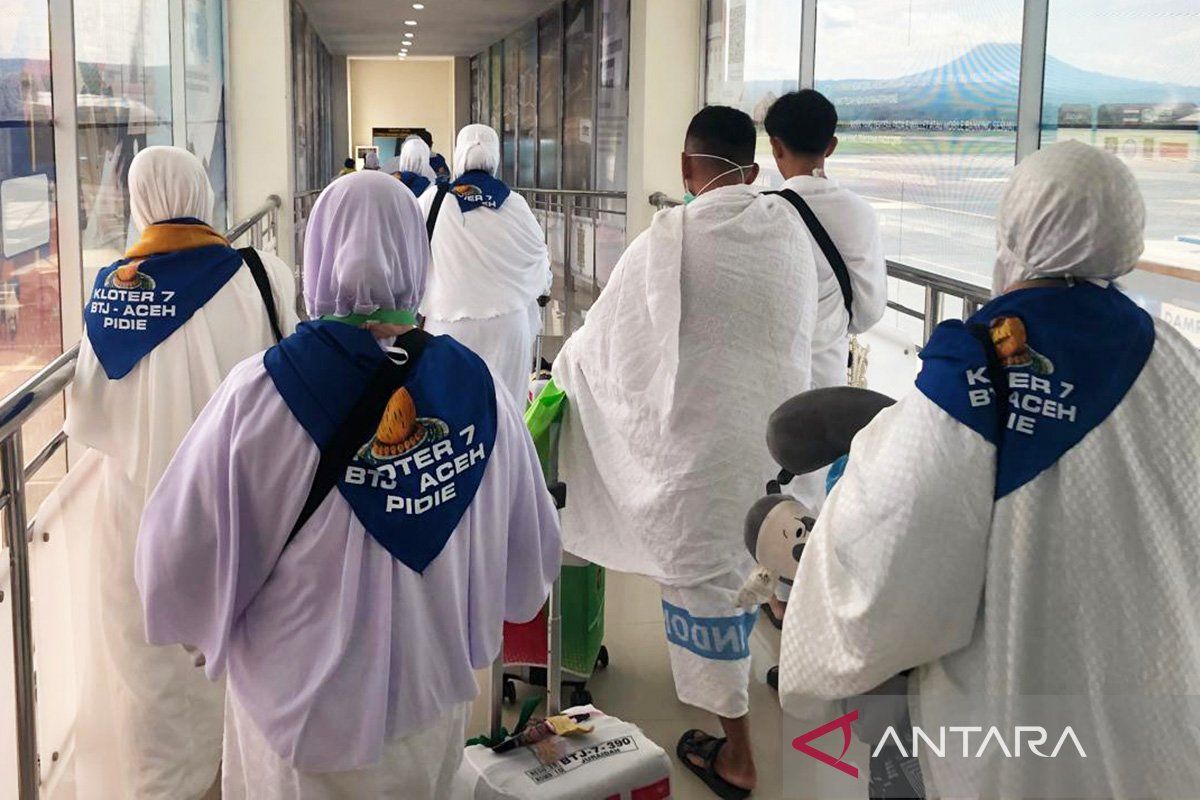
Jakarta (ANTARA) - Every year, millions of Muslims from around the world gather in the Holy Land to perform the Hajj pilgrimage.
Data from the Saudi Arabian General Authority for Statistics (GASTAT) for 2026 records that the number of pilgrims reached approximately 1.67 million, with Indonesia sending more than 221 thousand.
A sea of people wearing ihram fills Mecca, Arafat, Muzdalifah, and Mina in a momentous spiritual gathering. In Indonesia itself, public enthusiasm for performing the Hajj continues to increase. The waiting list for departure even reaches dozens of years in various regions. This phenomenon shows that the Hajj still holds a special place in the lives of Muslims.
However, amidst this increasing religious fervor, modern Muslim societies are still facing a rather serious crisis regarding social values. Corruption, abuse of power, intolerance, hate speech, and the erosion of social ethics remain problems that haunt public life.
Ironically, some of those who engage in these practices often come from groups that appear outwardly religious. This raises a fundamental question: why has this large-scale and sacred religious ritual, such as the Hajj, not yet fully given rise to tangible social transformation?
This question is important to raise, not to doubt the greatness of the Hajj pilgrimage, but as a form of collective reflection that the Hajj is essentially not just a physical journey to the Kaaba. The Hajj is a moral and spiritual journey that should shape individuals into more honest, humble, fair, and caring people. In this context, the Hajj has a very strong social dimension.
The Hajj pilgrimage contains deep symbols of humanitarian education. When a Muslim wears ihram clothing, they are taught about simplicity and equality. There is no longer any difference between officials and ordinary people, between the rich and the poor, between Arabs and non-Arabs. Everyone stands equal before Allah SWT. This message is very relevant to modern life which is often filled with social inequality and cultural superiority.
Similarly, tawaf teaches that the center of human life is not material possessions, positions, or popularity, but rather submission to Allah. The Sa’i between Safa and Marwah contains lessons about hard work, hope, and optimism as exemplified by Siti Hajar when searching for water for Prophet Ismail AS.
Source: jawawa.id (https://jawawa.id/newsitem/the-hajj-and-social-exemplarity-in-modern-muslim-society-1780667641)
Originally published by Antara (Indonesian) (https://www.antaranews.com/berita/5570444/haji-dan-keteladanan-sosial-muslim-modern), translated from Indonesian