
The Gig Economy Paradox: State Intervention Elevates the Dignity of Ride-Hailing Drivers
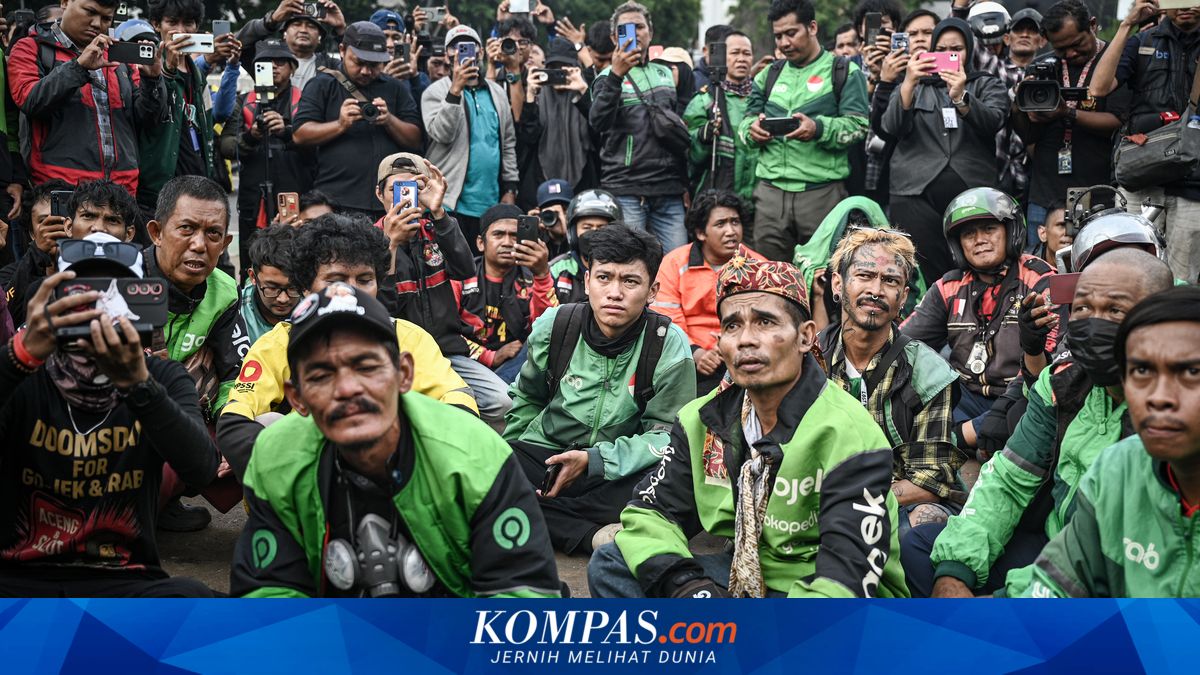
The phenomenon of online transportation or ride-hailing (ojol) in Indonesia has evolved from a mere mobility solution into the backbone of the grassroots economy. However, behind the convenience enjoyed by millions of users daily, systemic vulnerabilities haunt the drivers as partners. For years, the main issue smouldering beneath the surface has been the size of the platform’s cuts, deemed inhumane. The income disparity between platform managers and the sweat of drivers on the roads has created a new structural poverty divide in the digital era. This problem is not merely about profit-sharing, but about the dignity of workers under the gig economy umbrella, which often evades formal legal protections. The root of the issue lies in the cut scheme, which has reached figures of 20 percent and even 30 percent for certain services. For drivers, this figure is suffocating. Imagine, from every rupiah earned by risking life on the streets, nearly a third is taken by the system as platform usage fees. This creates a situation where drivers work more than 12 hours a day just to break even, without guarantees for old age or adequate health protection. This is the grim face of our digital economy: rapid industry growth built on subtle exploitation of its partners. In response to the escalating tensions and frequent protests in various regions, the government has finally taken a bold step. President Prabowo Subianto has delivered a historic gift through the issuance of Presidential Regulation (Perpres) No. 27 of 2026 on the Protection of Online Transportation Workers. The most thrilling point in this regulation is the firm mandate to reduce the maximum platform cut to just 8 percent. This policy represents direct state intervention to ensure that the digital economy “pie” is distributed more fairly to those on the front lines. Through this Perpres, the government affirms that partnership relations must not serve as a cover to avoid obligations to provide decent wages and social protection.