
The future of palm oil downstreaming in Kalimantan's richest city
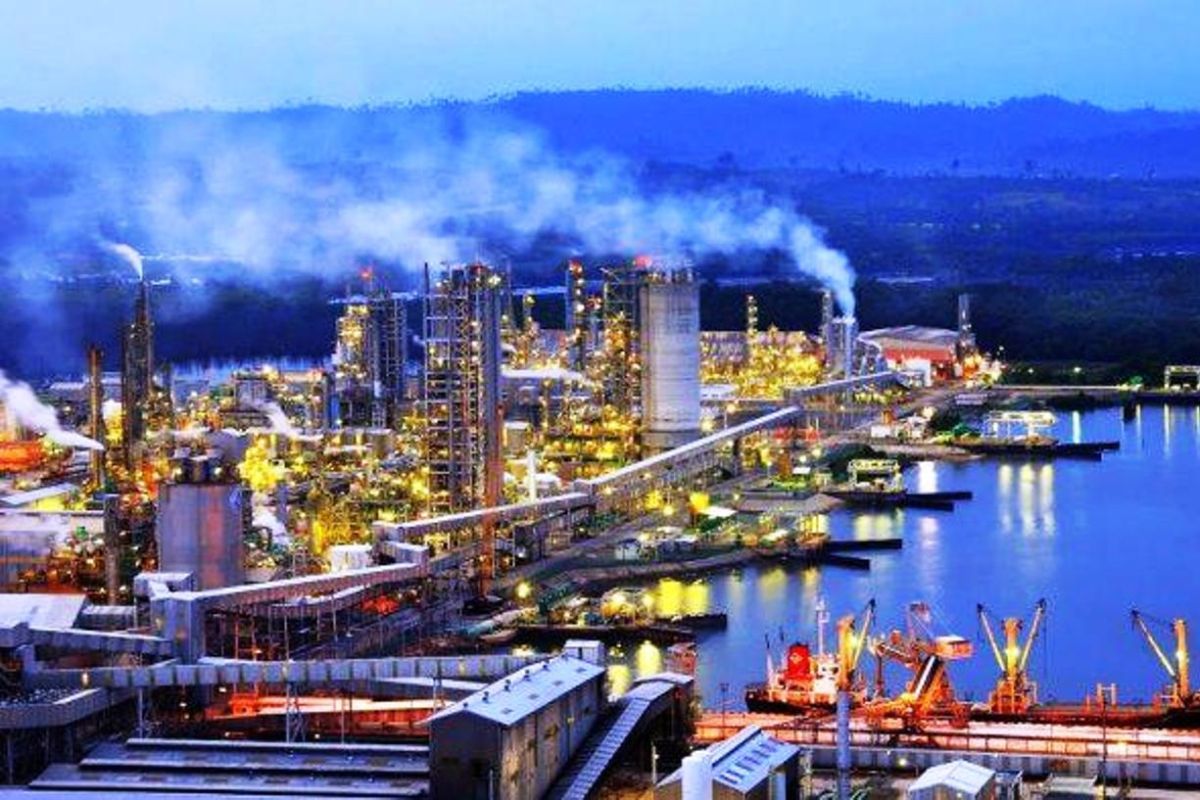
Bontang is a small city covering an area of 497.57 square kilometres, comprising 147.80 square kilometres of land and 349.77 square kilometres of sea. It has only three sub-districts and a population of around 194,600. In addition to being driven by thriving large-scale industries, the city also pursues environmentally sound development, including mangrove ecotourism and floating marine villas that balance economic activity with nature conservation. Located in East Kalimantan Province, approximately 120 kilometres north of Samarinda, Bontang was the richest city on Kalimantan Island in 2025, with a gross regional domestic product (GRDP) per capita of Rp371.19 million. This GRDP is supported by two industrial giants, PT Badak LNG and PT Pupuk Kalimantan Timur, which are among Indonesia’s largest natural gas producers. Uniquely, although the city is famous for its settlements built over the sea and has no large-scale palm oil plantations—only 51 hectares producing 159.5 tonnes of fresh fruit bunches (FFB)—the local government is optimistic about the future of palm oil downstreaming. Despite the very small plantation area and FFB production, the local government is confident it will successfully tread the path towards palm oil downstreaming, particularly in the production of fatty amine and fatty acid. This strong confidence stems from Bontang being surrounded by vast palm oil plantations in neighbouring areas of East Kalimantan, totalling a fantastic 1.48 million hectares. The Bontang city government is confidently responding to the palm oil downstreaming programme long championed by the central government. Through an Investment Project Ready to Offer (IPRO) scheme for a nitrogen-rich palm oil derivative industry, the investment being offered is valued at Rp1.88 trillion. The investment project package documentation is complete, tested, and being offered to investors, coinciding with the abundant FFB production from the areas flanking Bontang. The downstreaming infrastructure is also ready, meaning this garden city is set to accelerate through palm oil downstreaming. “This project will be able to massively expand the palm oil processing supply chain, while also serving as a concrete answer to reduce domestic dependence on imported industrial chemicals,” said Muhammad Aspian Nur, Head of the Bontang City Investment and One-Stop Integrated Licensing Service (DPMPTSP). The fatty amine industry is planned to be established in the Kaltim Industrial Estate (KIE) Bontang. This area was chosen because of its mature geopolitical and logistical advantages. KIE is close to the main port and existing industrial areas, fully supported by Bontang’s reliable energy infrastructure, and located near ammonia producers and petrochemical giants. Meanwhile, East Kalimantan Province, as one of Indonesia’s largest palm oil barns, also guarantees the long-term sustainability of raw material supply, further boosting Bontang’s optimism. Fatty amine, a high-value-added palm oil derivative, is a key raw material for consumer goods, ranging from fabric softeners, detergents, and cosmetics to household cleaning products. Moreover, domestic fatty amine needs are still heavily dependent on imports, while the global market niche for this commodity has significant opportunities and is believed to be continuously growing. In 2022 alone, global demand for fatty amine reached 1.7 million tonnes. It is even predicted to continue soaring until 2029, with an average annual growth rate of 6.6 percent. For potential investors, the project, designed with a production capacity of 20,000 tonnes of fatty amine and 4,000 tonnes of glycerol per year, offers very healthy and promising financial indicators. Beyond pursuing profitability, this project is also designed as a pioneer of a future industry that is environmentally friendly and sustainable.