
The Fight Against Hunger for the Nation’s Future
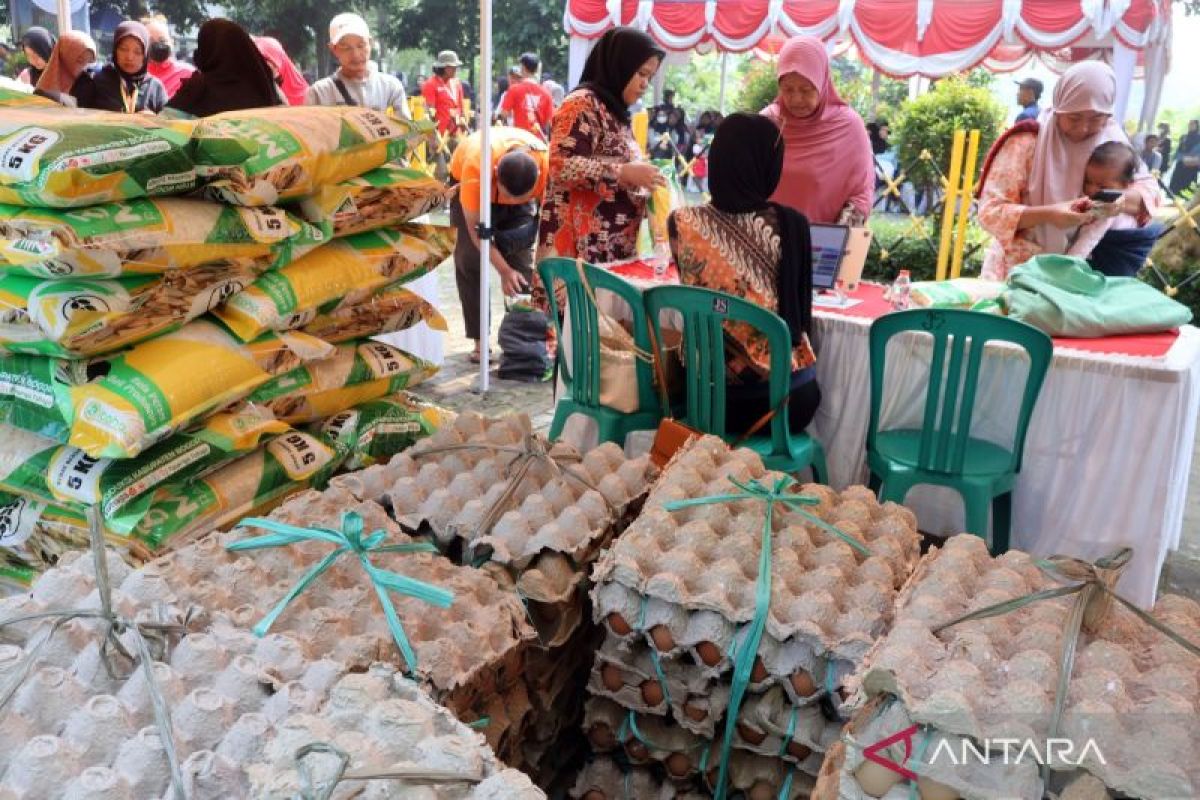
A strong nation is not simply one with abundant food reserves, but one that can ensure the benefits of development reach every household.
Jakarta (ANTARA) – Hunger is not merely a matter of having too little food; it also concerns human dignity, social justice and the state’s ability to guarantee a decent life for all its people.
Therefore, the fight against hunger must be a fundamental part of national development, with human wellbeing as its primary goal.
For Indonesia, efforts to end hunger mean more than ensuring food availability. The state also has a duty to ensure that every citizen can obtain sufficient, nutritious, safe and affordable food, in keeping with the Constitution’s commitment to advancing public welfare and realising social justice.
Before discussing technological progress, economic growth or modern infrastructure development, the country must ensure that no community struggles to meet its food needs. Hunger is one of the most extreme forms of poverty, capable of depriving people of the opportunity to live healthy and productive lives.
This issue is all the more important when considered in relation to the future of younger generations. Prolonged malnutrition, particularly in early childhood, can hinder children’s physical growth and cognitive development.
This shows that addressing hunger is not simply a matter of consumption, but a long-term investment in human resource development.
Children who grow up with adequate nutrition have greater opportunities to learn, create and contribute to the nation’s progress. By contrast, unequal access to food risks perpetuating poverty across generations.
This is why food security must be viewed as part of social justice. Indonesia has substantial agricultural, plantation, livestock and marine resources. Yet this wealth has not fully guaranteed equal access to food for all communities.
National food availability does not necessarily reflect each family’s ability to meet its daily food needs. Prices, income, distribution and geographical conditions all help determine whether people can actually afford food.
Consequently, the success of food development cannot be measured solely by the scale of production or the size of national rice reserves. An equally important measure is whether people can obtain nutritious food on a sustainable basis.
The approach to tackling hunger also needs to shift from simply providing assistance towards building food self-reliance. Social assistance remains necessary for vulnerable groups, but it must go hand in hand with policies that strengthen people’s ability to meet their own needs.
For consumers, the government must ensure that nutritious food is available at affordable prices. Meanwhile, farmers, fishers and livestock breeders need financing, technology, infrastructure and market certainty to improve productivity and livelihoods.
These two approaches must proceed in tandem. A resilient food system must not only provide food for the public, but also ensure a decent livelihood for those who produce it.
The challenges facing Indonesia are increasingly complex. Higher food production offers hope, but distribution problems, climate change, diet quality and the loss of agricultural land still require serious attention.
One of the main issues is food affordability. The government’s rice reserves, which total millions of tonnes, do not automatically guarantee affordable food prices throughout the country.
Long supply chains, inter-island logistics costs and unequal trade infrastructure can lead to significant price differences between producing and consuming regions.
These conditions are felt most acutely by low-income households, which spend a large share of their earnings on food. When food prices rise, their ability to meet nutritional needs is also put under pressure.