
The Fed Raises Interest Rates to 4% Due to Inflation Driven by Iran War
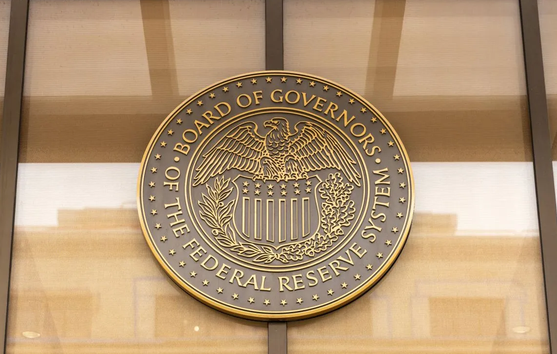
The United States Central Bank, the Federal Reserve (The Fed), officially raised its benchmark interest rate on Wednesday (16/9). This move marks the first increase since July 2023, taken in response to a surge in global inflation triggered by the escalation of war in Iran.
The Federal Open Market Committee (FOMC) unanimously approved a 0.25 percentage point (25 basis points) increase. This decision brings the federal funds rate to a new target range of 3.75% to 4%. Previously, since December, the Fed had maintained interest rates at the 3.50% to 3.75% level.
Based on the latest projections from 18 FOMC officials, the majority of members signalled that monetary tightening has not yet ended. This shift in policy direction marks the end of the rate-cutting path that had continued until the end of last year. The FOMC stated that although economic activity is growing solidly and domestic spending remains resilient, geopolitical uncertainty remains high.
Inflation in the United States has been recorded above the 2% target for more than five years. The war against Iran, involving the US and Israel since late February, has been a primary driver of rising energy and consumer goods prices globally.
Fed Chair Kevin Warsh emphasised that the central bank’s primary focus is currently price stability. “The simple fact is that inflation is too high and has lasted too long. Price stability is the foundation of economic growth,” Warsh stated during a press conference following his third meeting since replacing Jerome Powell in May.
This decision also has the potential to trigger political tension between Warsh and President Donald Trump. Trump has consistently demanded lower interest rates to stimulate economic growth and consumer spending. However, the Fed has chosen the path of tightening to return inflation to its target. The FOMC still has two more scheduled meetings this year, in October and December.
The FAO has warned that shipping disruptions in the Iranian Strait of Hormuz are triggering global fertiliser shortages and energy price surges due to prolonged systemic conflict. Houthi lightning strikes on the Red Sea coast have provided Iran with strategic leverage to pressure the US and disrupt global energy trade routes.
Official Pentagon reports have revealed US military losses in the conflict with Iran, including dozens of downed aircraft, hundreds of damaged buildings, and an ammunition stock crisis. Military commanders from the US, Israel, and Arab nations held a secret meeting in Germany to discuss defence coordination in the face of tensions with Iran.
US President Donald Trump has urged the Fed to immediately lower interest rates to 1% or lower following the recent increase to 3.75-4%. Meanwhile, the Rupiah exchange rate opened weaker by 43 points to the level of Rp17,739 per US dollar on Thursday (17/9) following the 25 basis point hike by the Fed.