
The Fed Raises Interest Rates, Bitcoin Prices Rise: Why?
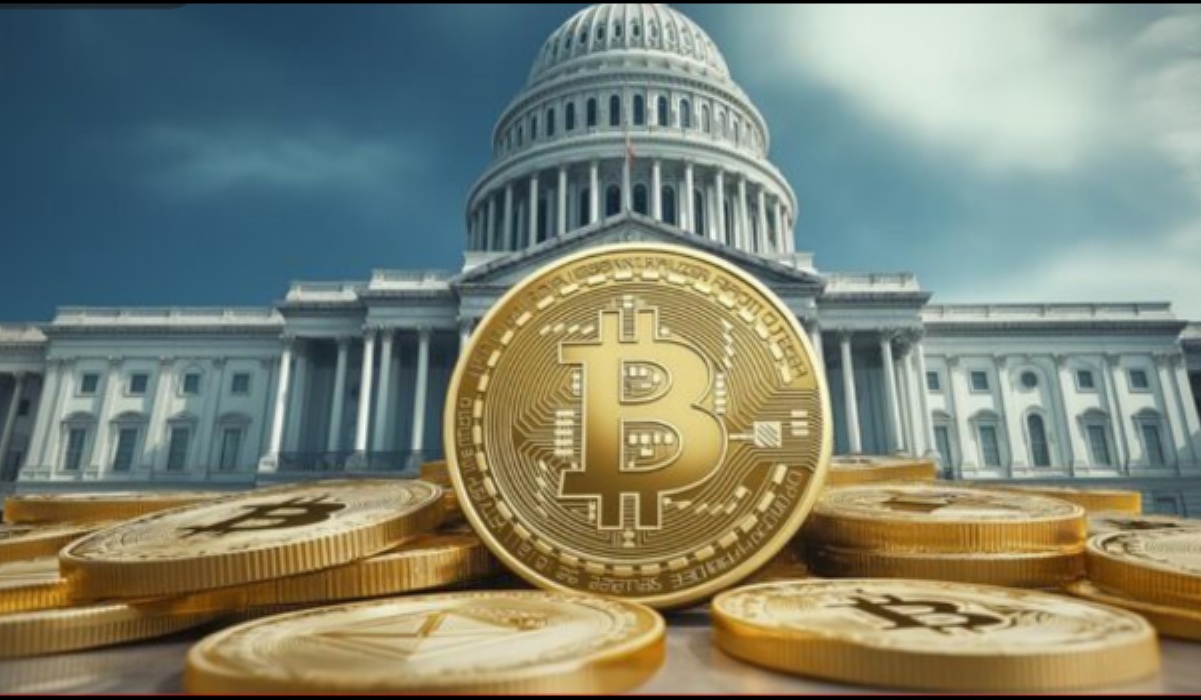
The United States central bank, the Federal Reserve (The Fed), has officially raised its benchmark interest rate by 2im 25 basis points (bps) to a range of 3.75%-4.00% during the Federal Open Market Committee (FOMC) meeting held on 15-16 September 2026. This unanimous decision marks the first interest rate hike by the Fed since 2023.
Interestingly, this tight monetary policy did not immediately suppress the crypto market. Bitcoin (BTC) instead demonstrated resilience, moving up from the US$75,400 level prior to the announcement to the US$76,000 area after the decision was released on Thursday (17/9).
Chief Marketing Officer of Indodax, Aloysia Dian, assessed that this positive anomaly indicates that the relationship between macroeconomic policy and digital asset prices is not always linear or immediate.
“Interest rate policy remains an important factor, but it is not the sole driver of the crypto market. Price reactions are also influenced by previously formed expectations, capital flows, sentiment, and specific developments within the crypto industry,” Aloysia stated in an official statement on Thursday (17/9).
She added that in the current conditions, the interest rate hike had already been widely anticipated by market participants (priced-in). “Part of the impact was likely reflected in the price before the decision was announced, so when the final result aligned with expectations, no additional negative reaction occurred,” she explained.
Although Bitcoin strengthened following the announcement, the direction of Fed policy remains a crucial variable that must be monitored. The latest projections show that the majority of Fed officials still see the possibility of further interest rate hikes until the end of 2026.
Furthermore, the Fed has raised its 2026 inflation projection to 3.7% from the previous 3.6%. On the other hand, the economic growth projection was also revised upwards to 2.3%. The US central bank’s primary focus remains on controlling inflation, and the direction of future policy will depend heavily on economic data developments (data-dependent).
Aloysia reminded investors to view Bitcoin’s movements more proportionally and not to get caught up in momentary euphoria. “The strengthening of Bitcoin after the FOMC needs to be viewed as part of broader market dynamics, rather than a sign that all risks have subsided. Investors still need to closely monitor inflation trends, future Fed policies, institutional fund flows, and global liquidity conditions,” she added.
In addition to macro factors, internal dynamics within the crypto industry also play a significant role in maintaining price stability. Factors such as Bitcoin ETF inflows, global digital asset regulatory developments, market sentiment, and leverage positions serve as differentiators between crypto assets and other risky assets.
As a licensed crypto exchange in Indonesia, Indodax urges investors to remain disciplined in managing their portfolios. Investors are advised to consider their individual risk profiles, maintain position discipline, and always conduct their own research (DYOR) before making transaction decisions amidst global market volatility.