
The Fate of the Former Karawang Theatre at a Crossroads
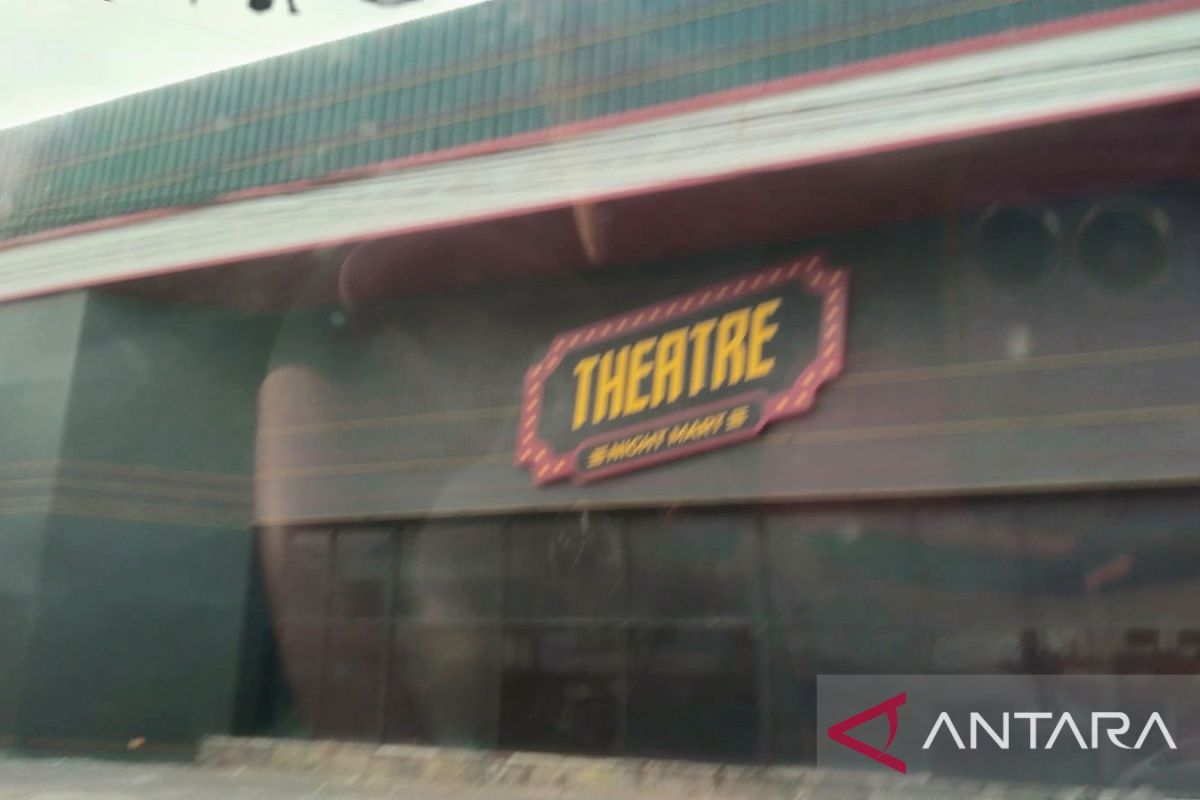
The former Karawang Theatre serves as a mirror to this tug-of-war: whether it will be revived as a night-time economic centre, or directed towards becoming a more neutral and inclusive public space. Karawang (ANTARA) - Amid the modernisation of Karawang Regency, West Java, an old building holds an unfinished story. Karawang Theatre, the legendary cinema that stood since 1988 and thrived in the 1990s era, now finds itself at a crossroads of time. Located on Tuparev Street, the building was once the primary choice for enjoying big-screen films, before finally going bankrupt in February 2019 due to the erosion of time and competition from modern cinemas. Its position in the city centre once made it a favourite spot for watching movies, as well as a hangout for young people in the 1990s. However, now Karawang Theatre seems to be at a crossroads between nostalgia of the past and future plans that spark debate. After its fame faded in recent years, the building has come back into discussion as it is repurposed into a night-time entertainment venue. For some business actors, the location of the former Karawang Theatre is considered strategic. Its position in the urban area is seen as potential to revive the night-time economy and open up employment opportunities. However, part of the community is worried that this change will impact the social environment, public order, and local values. Rejections have emerged, especially from those who want a more family-friendly use of the space. This is where it becomes interesting. The building is not just physical, but a symbol of the city’s development direction. Will Karawang strengthen its identity as a modern industrial city with an urban lifestyle, or maintain a balance in its social fabric? The local government is also in a dilemma. On one hand, it encourages investment and economic growth, on the other, it maintains social harmony. The former Karawang Theatre becomes a kind of “test case” for public policy in real space. As night falls and the city lights turn on, the old building with modern touches still stands full of meaning. It seems to await a decision: to come alive again as an entertainment centre or to find a new role that can be accepted by all parties. Whatever the outcome, the story of the former Karawang Theatre is not just about the building, but about direction, choices, and the face of Karawang’s future.