
The Fate of Private School Teachers Must Not Be Forgotten
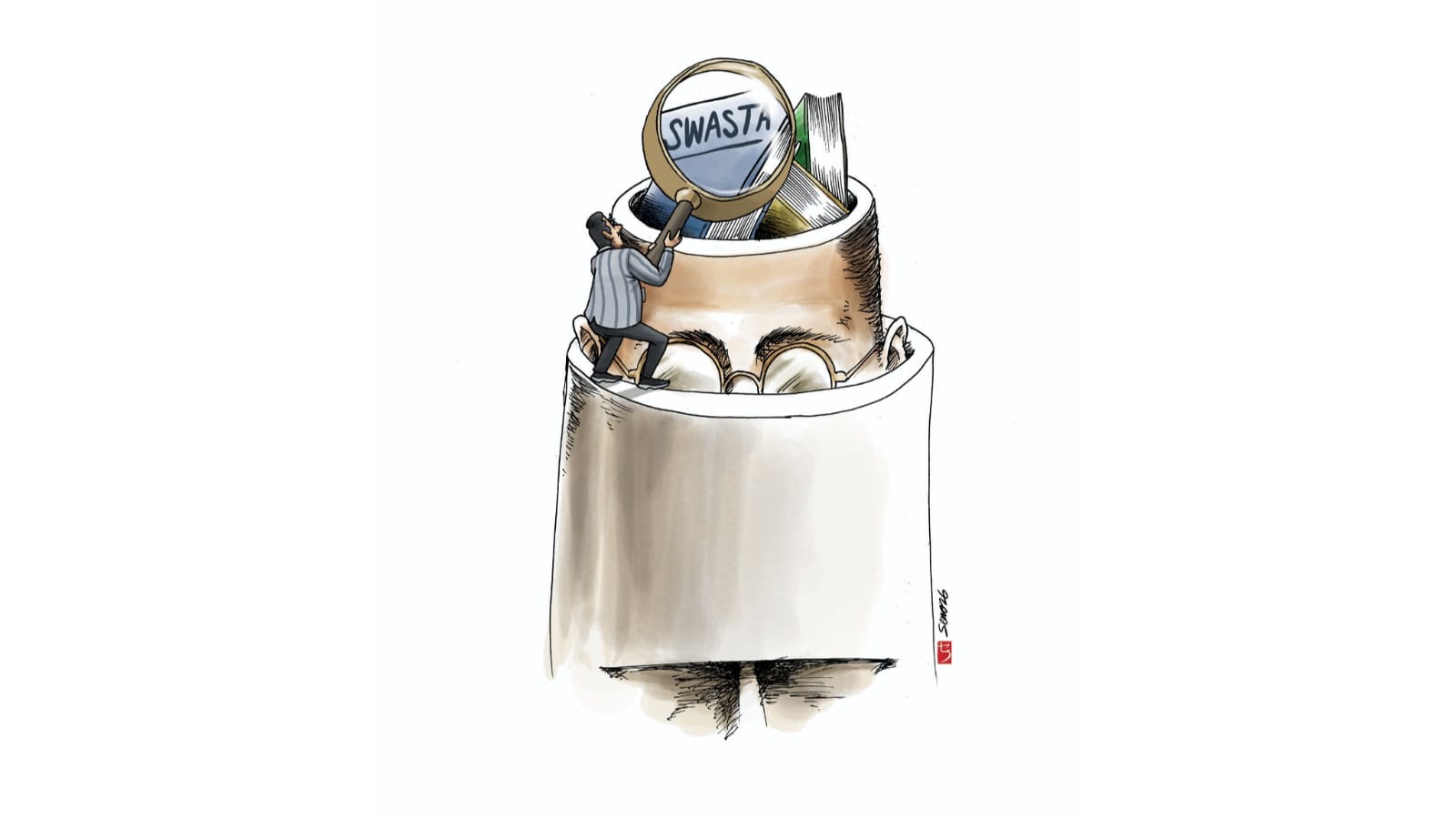
Teachers are the primary foundation ensuring the continuity of the nation’s values, knowledge, and character. In responding to changing times and complex challenges, teachers play a central role as agents of learning and guardians of civilisation. This was the statement made by Minister of Primary and Secondary Education Abdul Mu’ti in his speech at the 2025 National Teachers’ Day ceremony.
The minister’s statement is highly apt because behind Indonesia’s educational progress, there are millions of teachers who stand before classrooms every day, educating, guiding, and instilling hope in the nation’s children. However, the author highlights that not all teachers experience the same level of welfare. Among them are private school teachers who have for years been an important part of the national education system, yet their fate often has not received commensurate attention.
Private school teachers are not second-class teachers. They are an integral part of Indonesia’s education system. They carry out the same educational mandate, face the same professional demands, and share responsibility for shaping the future of the nation’s generation. Differences in employment status should not be a reason to differentiate the appreciation of their service.
Private schools and madrasahs, or non-state institutions, play a very significant role in providing educational access for the public. In many regions, especially remote areas far from city centres, private schools and madrasahs are often the primary choice for communities.
Behind these private institutions are teachers who work with full dedication. They come to school every morning, teach, mark assignments, guide students, attend meetings, participate in training, and often even spend their own energy and money to improve the quality of learning.
Ironically, some private school teachers still receive far from decent incomes. Some are paid based on the number of teaching hours. Some receive honorariums of only a few hundred thousand rupiah, which are not commensurate with their very heavy workload. There are also senior teachers who have served for decades but still face uncertainty about their future welfare.
Education policy in Indonesia often speaks about improving teacher quality. Teachers are required to possess pedagogical, professional, social, and personal competencies. They are also required to adapt to technology and changing times.
The author agrees that all these demands are indeed important. However, there is one fundamental question: how can we demand teachers provide the best education, focused and serious in teaching, when their own lives have not yet received certainty and proper appreciation from the state?
Therefore, policies to improve teacher quality must go hand in hand with improving their welfare. Private school teachers need more serious attention in national policy. The government cannot only focus on teachers with civil servant status. The state must also view private school teachers from the perspective of profession and service, not merely their employment status.
The author understands that the government certainly has budget limitations and must make various priorities. However, the education sector is a long-term investment for a nation’s progress. Therefore, teacher welfare should receive primary attention and be placed as an integral part of Indonesia’s human resource development.
What is needed is not merely temporary assistance, but policies that provide certainty and appreciation for private school teachers’ careers.
First, there needs to be a fairer mechanism to increase private school teachers’ incomes, especially those who have served for a long time and possess adequate competence.
Second, private school teachers’ access to professional development, certification, training, and competency improvement must continue to be expanded without discrimination.
Third, special attention is needed for private school teachers who teach in small schools, remote areas, and educational institutions that are economically highly dependent on community capacity.
Fourth, the government needs to build a clearer career system so that private school teachers have a professional future that can be planned.
Equally important, schools or educational foundations must also fulfil their responsibilities. Teacher welfare should not be entirely burdened on the government. Management of capable educational institutions must be carried out healthily, transparently, and oriented towards appreciating teaching staff.
We often praise teachers as ‘unsung heroes’. The expression is indeed beautiful, but it must not become a reason to allow teachers to continually sacrifice without receiving proper appreciation. The teaching profession is indeed about service. However, teachers are also human beings with families, living needs, and futures.
A prosperous teacher does not mean a materialistic teacher. A prosperous teacher is one who can carry out their profession calmly, with dignity, and concentrate on their main task: educating the nation’s children to advance civilisation.
The momentum of national education reform must be an opportunity to reaffirm that no teacher should feel abandoned. Civil servant teachers must receive attention. Contract teachers must receive attention. Private school teachers must also receive attention.
We should appreciate the government’s various steps so far to improve the welfare of non-civil servant teachers. However, their homework is not yet complete.
Source: jawawa.id (https://jawawa.id/newsitem/the-fate-of-private-school-teachers-must-not-be-forgotten-1787093424)
Originally published by Media Indonesia (https://mediaindonesia.com/opini/923341/nasib-guru-swasta-jangan-dilupakan), translated from Indonesian