
The Fate of Indonesian Transport: 92 KAI Trainsets Aged 40 Years Require Overhaul
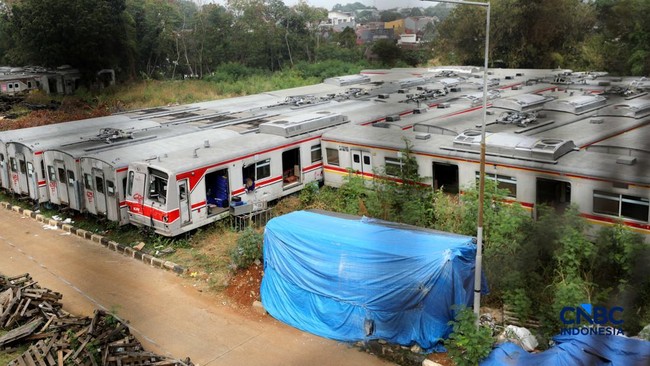
The surge in passengers for the Jabodetabek Commuter Line (KRL) is occurring at a time when much of the operating fleet is ageing. PT Kereta Commuter Indonesia (KCI) has revealed that 87 trainsets need to be replaced by 2031 to maintain service capacity.
Currently, the number of KRL passengers has reached approximately 1.1 million people per day. This figure represents an 11.5% increase in the first half of 2026 compared to the same period the previous year. This growth is significantly higher than previous projections, which were only in the range of 3%-4% per annum.
“Previously, the average daily passengers were below 1 million, but now it has reached 1.1 million. This is an anomaly when comparing 2025 to 2026, showing an 11.5% increase in the first semester,” stated KAI President Director Bobby Rasyidin during a hearing with Commission VI of the Indonesian House of Representatives (DPR RI) on Wednesday (23/09/26).
The surge in users is also evident at Bogor Station, where passenger numbers, which previously fluctuated below 100,000 per day, have now reached approximately 160,000 per day. However, this increased demand must be faced with the condition of an ageing fleet. KAI revealed that there are currently around 92 trainsets that are 40 years old.
“At this time, we have 92 trainsets that are 40 years old. These are the ones we will gradually conserve,” he said.
Some trainsets even date back to the 1970s. One such example is the TM 6000, which is reported to still consist of six trainsets. The age of the fleet is a major concern because the standard operational lifespan for a trainset is approximately 20 years. As the age of the trains increases, the availability of spare parts and the condition of materials become critical issues.
KAI estimates that the requirement for trainsets in 2026 will reach 104 units, based on a conservative assumption of 1 million passengers per day. This requirement includes 89 trainsets to operate 1,065 trips per day, plus reserves and maintenance needs. Meanwhile, the number of available rolling stock at the beginning of the year was only 102 trainsets. This means the room to both increase capacity and replace old fleets is becoming increasingly limited.
This problem is projected to intensify by 2029. By that year, a number of trainsets are expected to have reached approximately 45 years of age and will begin to face issues regarding spare part availability and potential metal fatigue.
“The most critical point will be in 2029, when our trainsets reach 45 years of age. At 45 years, we can no longer manage because certain spare parts will no longer be available. Secondly, the metal itself will begin to suffer from fatigue,” an KAI representative stated.
Overall, KAI estimates that 87 trainsets will need to be replaced by 2031. Meanwhile, the demand for the fleet will continue to rise in line with projected increases in passenger numbers.
For the long term, KAI projects that the requirement for the Jabodetabek KRL will reach approximately 200 trainsets by 2040, assuming daily passenger numbers reach 2.5 to 3 million people.
This requirement encompasses both capacity expansion and the rejuvenation of the old fleet, making the ability to procure and produce trainsets a vital factor in maintaining KRL services amidst the growth of mass transport users.
Source: jawawa.id (https://jawawa.id/newsitem/the-fate-of-indonesian-transport-92-kai-trainsets-aged-40-years-require-overhaul-1790171553)
Originally published by CNBC Indonesia (https://www.cnbcindonesia.com/news/20260923191705-4-770375/nasib-transportasi-ri-92-trainset-kai-berusia-40-tahun-butuh-permak), translated from Indonesian