
The Factors Preventing Full Adoption of Electric Vehicles in Indonesia
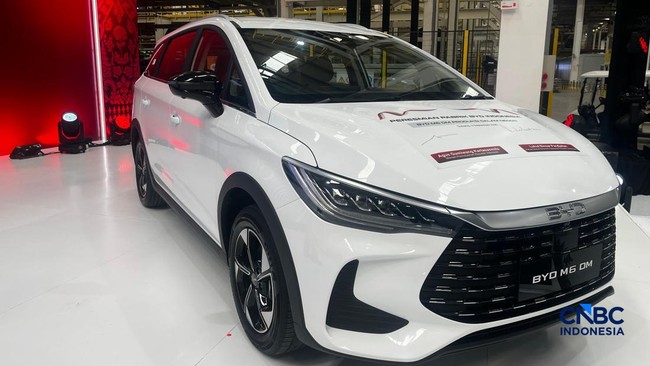
The adoption of electric vehicles (EV) in Indonesia continues to grow, yet many consumers are still hesitant to switch from internal combustion engine (ICE) vehicles. Several concerns regarding price, batteries, and the presence of domestic manufacturers remain key considerations.
Automotive observer Bebin notes that one of the obstacles to EV adoption in Indonesia is that not many brands are producing their vehicles directly within the country. According to him, the presence of local production facilities could increase consumer confidence in a brand’s long-term sustainability.
“Not many brands are producing their vehicles directly in Indonesia. When factories are established here, it will provide a much greater boost and confidence in that brand. That is one of the barriers,” Bebin told CNBC Indonesia on Monday (21/9/26).
On the other hand, the issue of batteries remains a primary concern for consumers. This component is a vital part of electric vehicles and is also a major factor influencing vehicle pricing.
“Another barrier is the price of batteries,” he said.
This issue has the potential to be resolved as technology advances. He noted that the battery industry is developing rapidly, with new technologies constantly emerging, which could lead to a decrease in battery costs.
“New technologies are constantly emerging, and I am very confident that battery prices will continue to fall. If the price, size, and weight of batteries also decrease alongside increased power capacity, I believe this will address the doubts that currently make people hesitate between buying now or waiting for later,” Bebin said.
This consumer hesitation ultimately creates a dilemma between purchasing an electric car now or waiting for the next technological breakthrough. Consumers are not only considering the vehicle’s price but also the future developments in battery capacity and cost.
Bebin previously noted that several myths regarding electric vehicles are beginning to be debunked, such as the assumption that EVs are always more expensive than conventional cars. However, developments in mass production, economies of scale, raw material availability, and advancements in battery technology have altered the cost structure of electric vehicles.
“EVs are now being mass-produced by the millions. What is crucial is that key materials like lithium are now being mined in various parts of the world. The supply of both raw and processed lithium is now abundant, and battery technology is advancing rapidly,” said Bebim.
These developments will continue to drive down the cost of electric vehicles. Conversely, increasingly strict emission standards have the potential to increase the production costs of internal combustion engine vehicles.
“As a result, EV prices will continue to fall, whereas with stricter emission standards, the cost of conventional petrol cars will actually rise. The tipping point has already occurred, and this trend will continue, where at a certain point, EVs will be much cheaper,” he concluded.