
The Face of Religion, Tradition, and Sacrifice in Indonesia
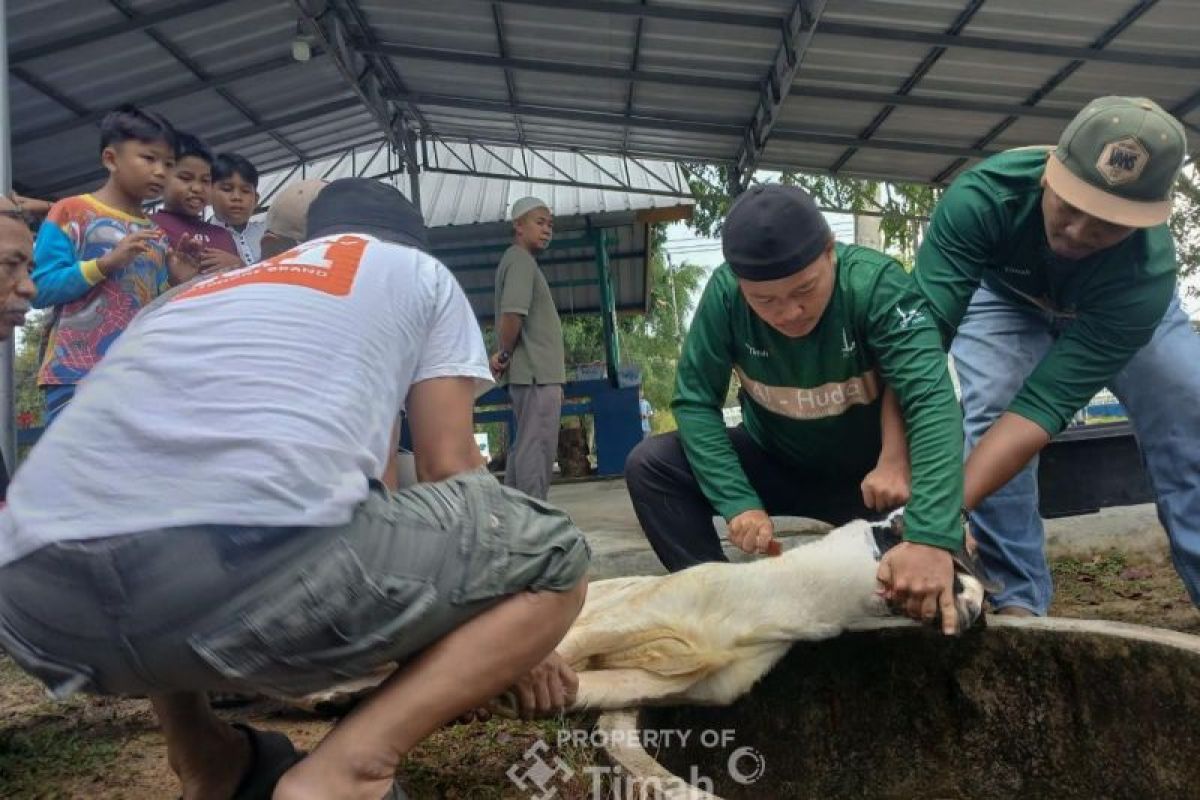
While fiqh permits each individual to offer a single sacrificial animal, institutional efforts distribute greater social assistance.
A famous quote by Muslim scholar Nurcholis Madjid states that religion and tradition are distinct yet inseparable.
This is why Islam encompasses both religious doctrine and Islamic traditions—distinct yet intertwined. The birth of a religion within a specific cultural context inevitably gives rise to evolving traditions that cannot be denied.
Religion does not descend into a vacuum. It emerges within specific historical and cultural contexts, adapting as it spreads to diverse societies with varying traditions.
This explains why Clifford James Geertz, the American anthropologist and sociologist of the 1960s commonly known as Clifford Geertz, notably examined the distinct faces of Islam in Morocco and Indonesia.
Geertz depicted the similarities and differences in Islamic expressions across both nations. The interaction between Islamic teachings and local traditions creates unique religious expressions—products of societal doctrines and customs.
This article examines Indonesia’s Muslim qurban ritual as both a religious doctrine and a cultural tradition, highlighting how it is simultaneously personal worship and communal practice—distinct yet inseparable.
As a personal ritual act, it is undisputed under widely accepted fiqh that qurban—sacrificing a goat or sheep to draw closer to God—is performed, though scholars have also permitted camels, cattle, or buffaloes based on ijtihad.
One goat or sheep suffices for one person’s sacrifice, while a camel, cow, or buffalo serves seven.
Some minority opinions hold that a single goat or sheep can suffice for an entire family. Slaughters occur during Eid al-Adha, from after the Eid prayer until the following three days known as Tashriq days.
Eid al-Adha celebrations in certain Indonesian regions—including parts of South Sumatra, South Kalimantan, and East Java—are notably more vibrant than those of Eid al-Fitr.
Following slaughter, the meat is distributed among locals, the poor, and the sacrificer. That evening, families often host communal satay barbecues within households, neighbourhoods, and communities.
Communal satay barbecues are not Islamic doctrine but have evolved into a tradition during qurban observances.
The Face of Islam
Source: jawawa.id (https://jawawa.id/newsitem/the-face-of-religion-tradition-and-sacrifice-in-indonesia-1780280365)
Originally published by Antara (Indonesian) (https://www.antaranews.com/berita/5588787/wajah-agama-tradisi-dan-kurban-di-indonesia), translated from Indonesian